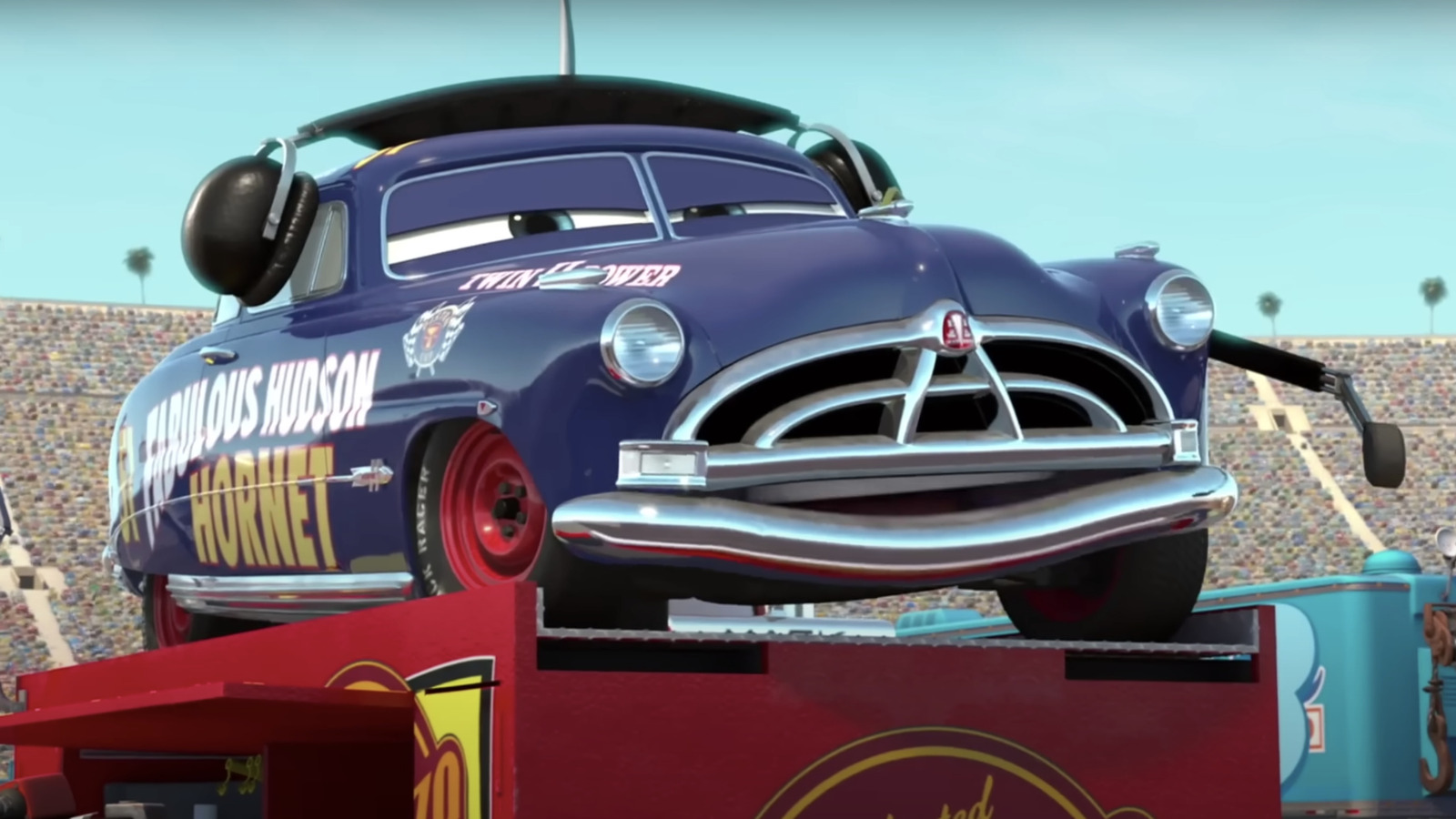
The True Story and Legacy of Cars Doc Hudson
When Pixar released the animated film Cars in 2006, audiences fell in love with Radiator Springs and its quirky inhabitants. Among them, the mysterious local judge and doctor stood out instantly. Voiced by the legendary Paul Newman, Cars Doc Hudson became much more than a grumpy mentor to Lightning McQueen; he became one of the most beloved characters in modern animation history.

Who Is Doc Hudson?
Beneath his quiet exterior as the town physician and judge of Radiator Springs lies a thrilling secret. Doc Hudson is actually the "Fabulous Hudson Hornet," a three-time Piston Cup champion who suffered a devastating career-ending crash on the track in 1954. After the racing world turned its back on him, he disappeared into the quiet desert town, trading the roar of the engines for the hum of quiet solitude.
When rookie sensation Lightning McQueen crashes into Radiator Springs, Doc is forced to confront his painful past. Through training McQueen on the dirt tracks of Ornament Valley, Doc finds redemption, transitioning from a bitter recluse back into a proud mentor and racing legend.
The Real-Life Inspiration: The Hudson Hornet
Doc Hudson isn't just a product of Pixar’s imagination. He is modeled after one of the most dominant stock cars in American automotive history: the 1951 Hudson Hornet. Manufactured by the Hudson Motor Car Company in Detroit, Michigan, the Hornet revolutionized early stock car racing through brilliant engineering.
What Made the Fabulous Hudson Hornet So Special?
In the early days of NASCAR, stock car racing featured vehicles bought straight off the showroom floor. The Hudson Hornet possessed several distinct advantages that baffled its competitors:
Video: Cars | Doc Hudson Drives Again | HD

- Step-Down Design: The Hornet featured a unibody construction where the floorboards were dropped down inside the perimeter of the frame. This lowered the car's center of gravity significantly.
- Superior Handling: Because of the low center of gravity, the Hudson Hornet could corner at high speeds without the excessive body roll that plagued bulkier Fords and Chevys of the era.
- The "Twin H-Power" Engine: Powered by a massive 308-cubic-inch inline-six engine equipped with dual carburetors, the car produced smooth, reliable horsepower that outlasted high-revving V8s.
Driven by racing pioneers like Marshall Teague and Herb Thomas, Hudson factory teams dominated NASCAR from 1951 through 1954, winning 27 out of 34 races in 1952 alone. This historic dominance directly inspired the legendary status of Doc Hudson in the film.
The Real Racing Legend Behind the Character
While Doc's fictional crash took place in 1954—mirroring the real decline of Hudson's racing dominance due to financial struggles and the rise of overhead-valve V8 engines—his character arc mirrors the life of Paul Newman himself. Newman was an avid, highly successful sports car racer and team owner, bringing an authentic grit and passion to the voice recording booth.
Furthermore, Herb Thomas, a two-time NASCAR Grand National champion, served as a primary historical template for Doc Hudson's racing dominance and subsequent tragic injury. Thomas suffered a horrific crash in 1955 that effectively ended his prime racing career, mirroring Doc's storyline in striking detail.
Why Doc Hudson Resonates with Fans
Doc Hudson remains a fan favorite because his struggles feel deeply human. He represents the fear of obsolescence, the pain of unfulfilled potential, and the healing power of passing the torch to the next generation. When Doc paints the "Fabulous Hudson Hornet" lettering back onto his doors to coach McQueen at the Los Angeles Speedway, it delivers one of the most emotional moments in Pixar history.
Conclusion
Doc Hudson is more than just a wise old car with a gruff demeanor; he is a tribute to a golden era of American motorsport. By blending the history of the 1951 Hudson Hornet with Paul Newman's gravelly charm and racing expertise, Pixar created an automotive icon that continues to inspire car enthusiasts and movie fans of all ages.