The True Story Behind Jeffrey Dahmer's Polaroids
When law enforcement officers entered apartment 213 at the Oxford Apartments in Milwaukee on July 22, 1991, they expected a routine domestic disturbance call. Instead, they uncovered a house of horrors that shocked the world. Among the most damning pieces of evidence found at the scene were the jeffrey dahmer polaroids—a collection of explicit and gruesome photographs that meticulously documented his years of murders.
How the Polaroids Were Discovered
The discovery of the photographs happened almost by accident. Tracy Edwards, a 32-year-old man, had managed to escape from Dahmer's apartment earlier that evening. Edwards flagged down two Milwaukee police officers—Robert Rauth and Rolf Mueller—and led them back to the apartment to retrieve the handcuffs Dahmer had placed him in.
When officer Mueller entered the bedroom to look for the key, he opened the drawer of a bedside table. Inside, he found a knife and a book of Polaroid photographs. Curious, Mueller flipped through the pages. The images revealed human bodies in various states of dismemberment, posed in disturbing positions. These visual records immediately shifted the nature of the police visit from a minor disturbance to the capture of one of America's most notorious serial killers.
The Significance of Jeffrey Dahmer's Polaroids in the Investigation
Before the discovery of the physical photographs, investigators had only circumstantial evidence and missing persons reports. The polaroids served several vital functions in building an airtight legal case against Dahmer:
- Definitive Proof of Guilt: The images left no room for doubt or legal maneuvering regarding Dahmer's actions. He confessed almost immediately upon seeing that the police had found the pictures.
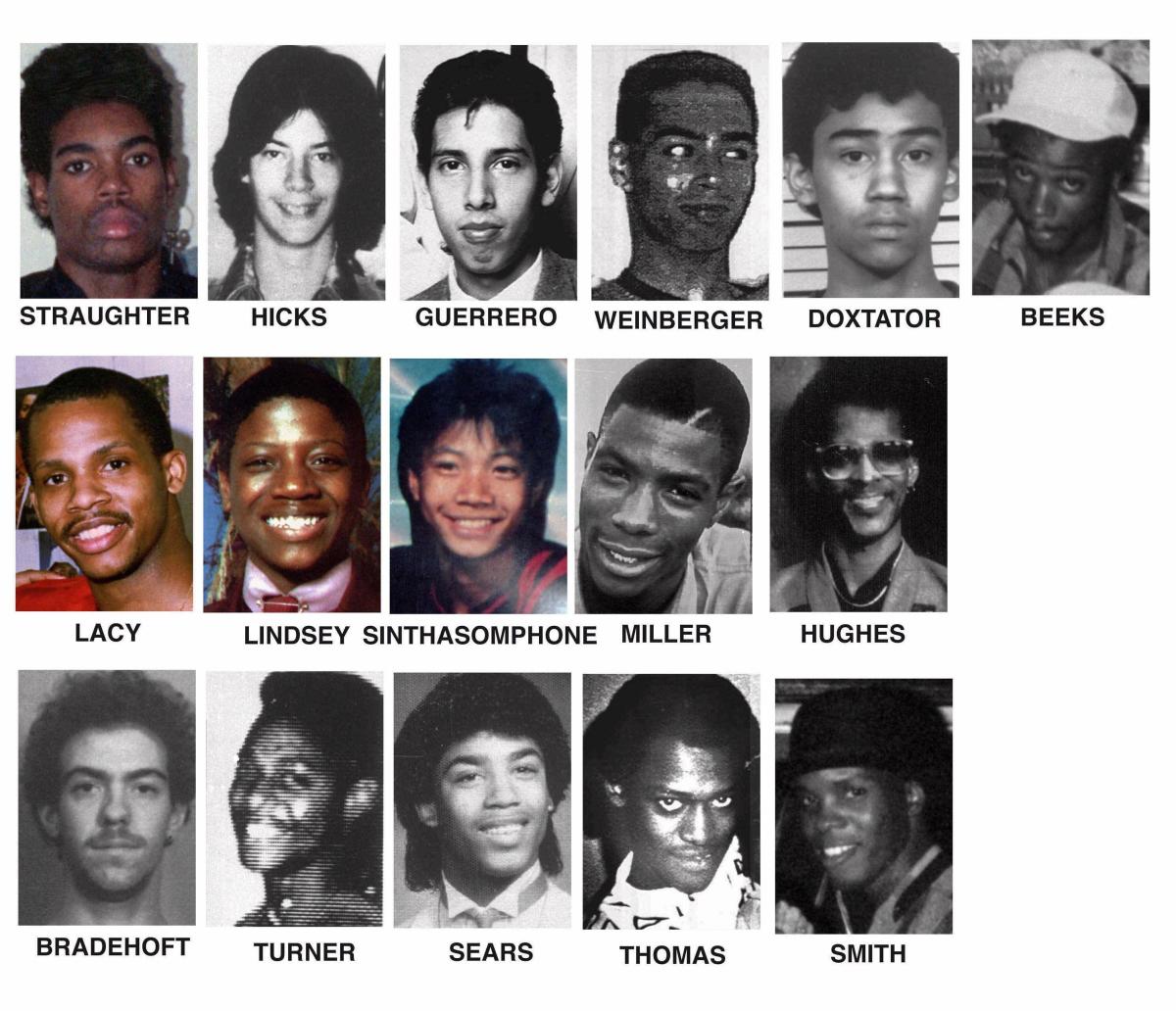
- Victim Identification: Because Dahmer targeted vulnerable runaways, drifters, and marginalized individuals—many of whom were not actively reported missing—police used the polaroids to help identify unknown victims.
- Timeline Construction: The dates and physical progression shown in the photographs allowed investigators to map out the exact timeline of Dahmer's murders, which began in 1978 and continued until his arrest in 1991.
What Happened to the Evidence?

The existence of such graphic and disturbing evidence raised immediate ethical and legal questions regarding privacy, trial protocol, and the sensitivity owed to the victims' families.
Trial Use and Public Access
During Dahmer's 1992 trial, select photographs were used as court exhibits to establish the nature and severity of his crimes. However, prosecutors and judges took strict measures to prevent the images from becoming public spectacles. They were tightly controlled within the courtroom to protect the dignity of the victims.
Destruction of the Photographs
Following Dahmer's conviction and his subsequent death in prison in 1994, federal and local authorities addressed the fate of the physical evidence. In accordance with legal requests and agreements with victims' families, the vast majority of the personal effects, including the polaroids and Dahmer's personal camera equipment, were ordered to be destroyed. Law enforcement agencies recognized that keeping such morbid items posed a risk of unauthorized leaks and caused prolonged trauma to the families affected.
The Legacy in True Crime Culture
Decades after the case closed, the mention of these photographs remains a dark focal point in true crime discussions. The recent resurgence of media interest, including dramatized television series and documentaries, often references the moment police flipped open the bedside drawer. However, criminologists and historians emphasize that beyond the sensationalism, the photographs represent real human lives tragically cut short, serving as a grim reminder of a systemic failure to protect vulnerable communities in Milwaukee.