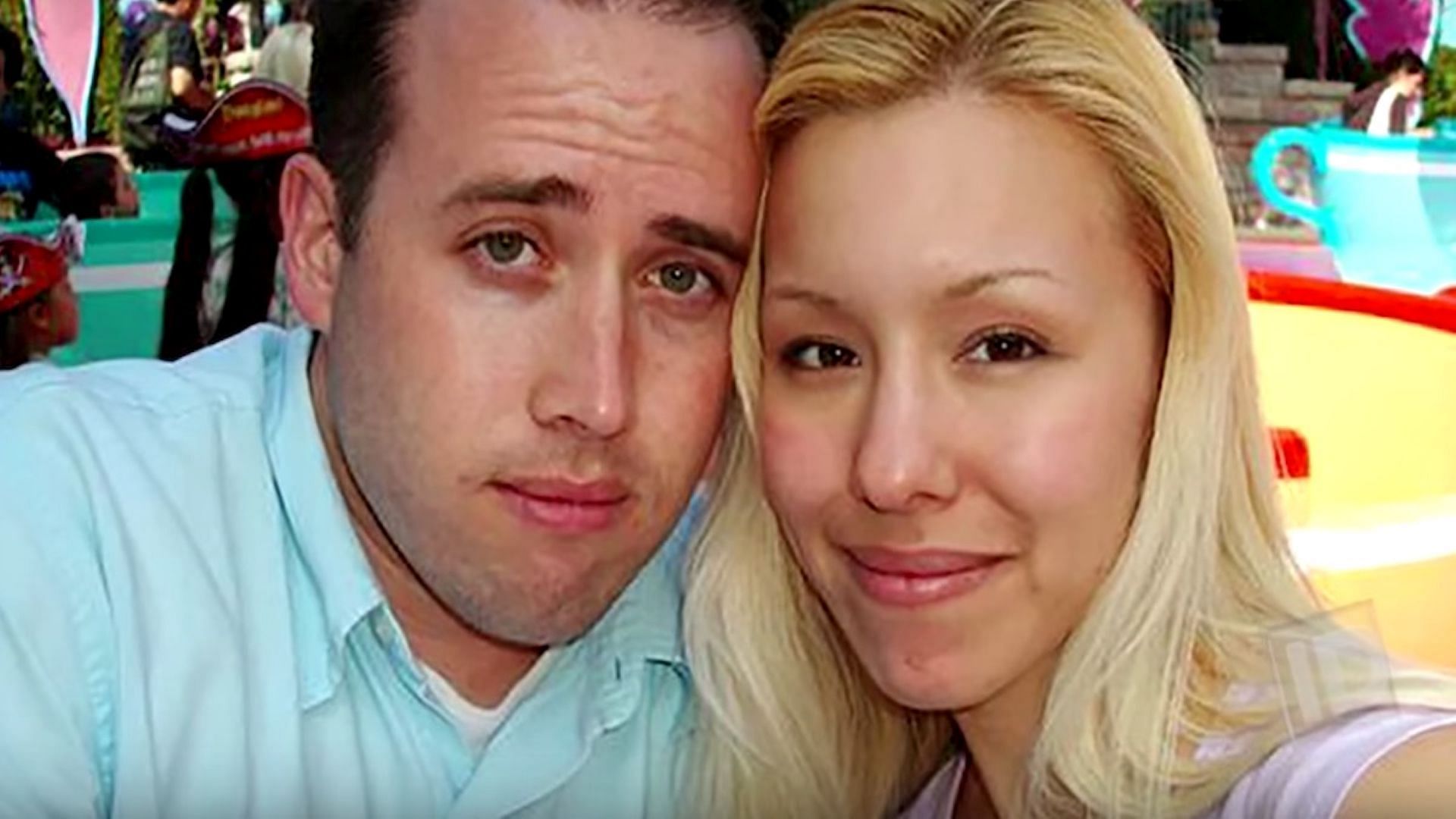
The True Story Behind the Shower Photos of Travis Alexander
Understanding the Case and the Evidence

The 2008 murder of Travis Alexander remains one of the most thoroughly documented and widely watched criminal trials in modern American history. When investigators pieced together the final hours of Alexander's life, a digital camera recovered from a washing machine at the crime scene provided chilling timeline details. Among these digital files, the shower photos of Travis Alexander became central pieces of evidence that captured intense public interest, media analysis, and intense courtroom debate.
Rather than focusing on sensationalism, examining this digital evidence reveals how modern forensic photography, metadata analysis, and digital recovery play critical roles in solving violent crimes. This overview explores how the photographs were recovered, their chronological sequence, and their legal significance.
The Recovery of the Digital Camera
Following the discovery of Travis Alexander's body in his Mesa, Arizona, home on June 9, 2008, police detectives executed a thorough search of the premises. Alexander, a 30-year-old motivational speaker and salesman, had suffered numerous stab wounds, a gunshot wound, and a slit throat. The crime scene showed signs of a violent struggle that moved from the bedroom into the hallway and ultimately ended in the master bathroom shower.
Crucially, the perpetrator attempted to destroy incriminating digital evidence. Investigators found a digital camera belonging to Alexander submerged and heavily damaged inside the washing machine. Law enforcement forensic technicians were tasked with an extraction process to retrieve whatever data remained intact on the internal memory card.
Digital Forensics and Data Extraction
Data recovery from damaged electronics is a specialized field of forensic science. Even when storage media are subjected to water, detergents, and mechanical agitation, flash memory chips often retain data unless physically shattered or overwritten.
This technical recovery allowed investigators to reconstruct a precise timeline of the afternoon of June 4, 2008, challenging initial alibis and establishing a minute-by-minute sequence of events.
Analyzing the Shower Photos of Travis Alexander
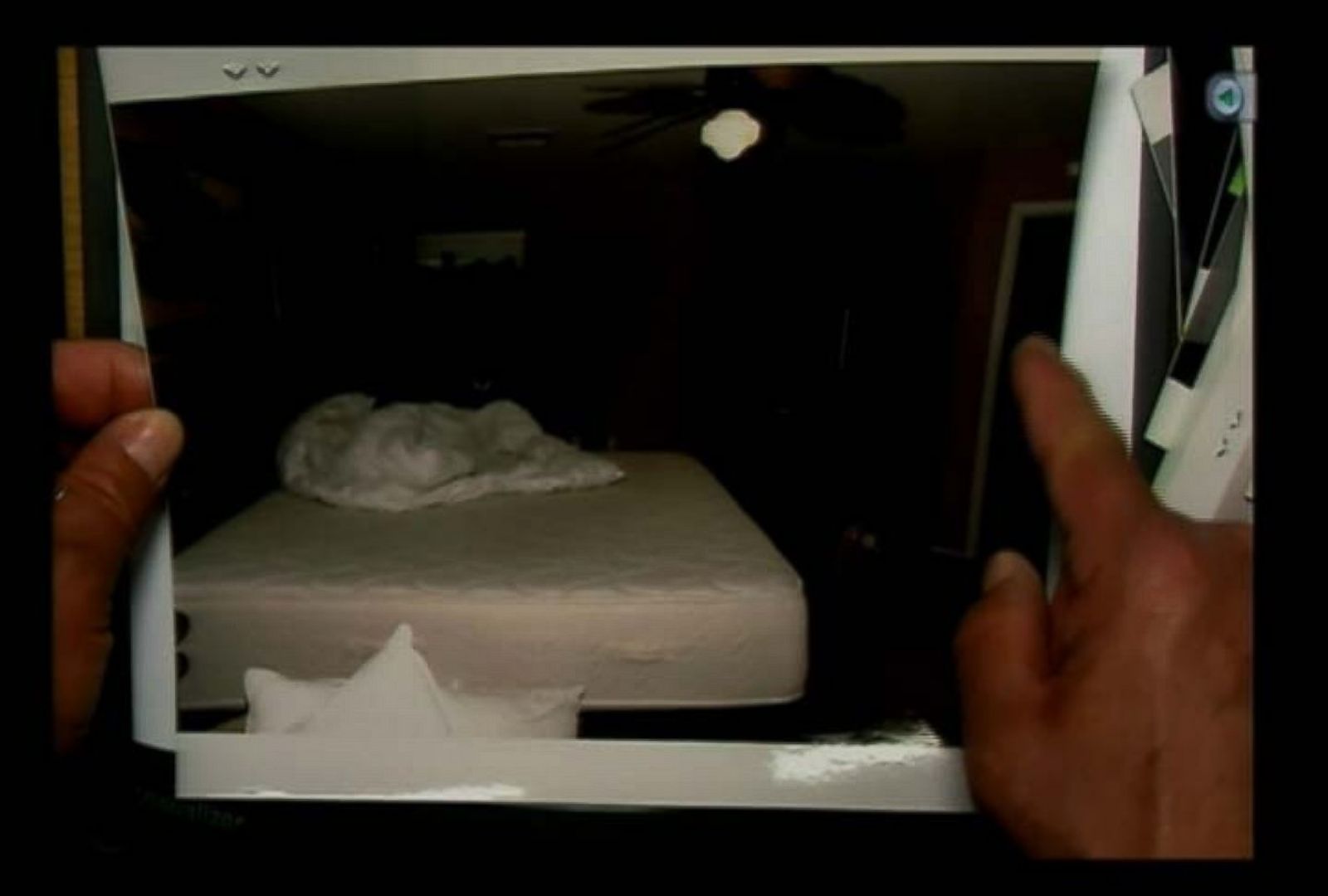
The recovered memory card contained a series of photographs taken on the afternoon of the murder. These images proved to be a double-edged sword for the prosecution and defense, offering stark visual documentation of the moments leading up to and during the attack.

Chronology of the Images
The sequence of photographs fell into three distinct phases:
What the Images Revealed to Investigators
For prosecutors, the photographs established several pivotal facts that dismantled the defense's evolving narrative:
Impact on the Courtroom Trial
When the trial commenced years later in 2013, the visual evidence became a focal point of media coverage and courtroom testimony. The prosecution utilized the camera's contents to construct a narrative of premeditation, arguing that Arias brought a camera to document the encounter, attacked Alexander unexpectedly, and subsequently dropped the camera in her haste to clean the scene and flee.
Conversely, the defense attempted to reframe the context of the images, arguing about consent, mutual volatility, and self-defense under extreme emotional duress. However, expert forensic testimony systematically dismantled alternative theories by relying on the immutable digital footprint left behind by the camera's internal clock and file system.
The Broader Lessons of Digital Evidence in True Crime
The widespread public curiosity surrounding the visual records of this case highlights a broader shift in how modern criminal investigations operate. In the digital age, smartphones, tablets, smart home devices, and digital cameras act silent witnesses.
Key takeaways from the forensic handling of this evidence include:
Ultimately, while the images from the master bathroom remain heavily scrutinized in true crime discussions, their primary historical and legal significance lies in their role as unyielding factual markers that helped bring clarity to a complex tragedy.