The Truth About CashApp750 Promos and Scams
Understanding the CashApp750 Phenomenon
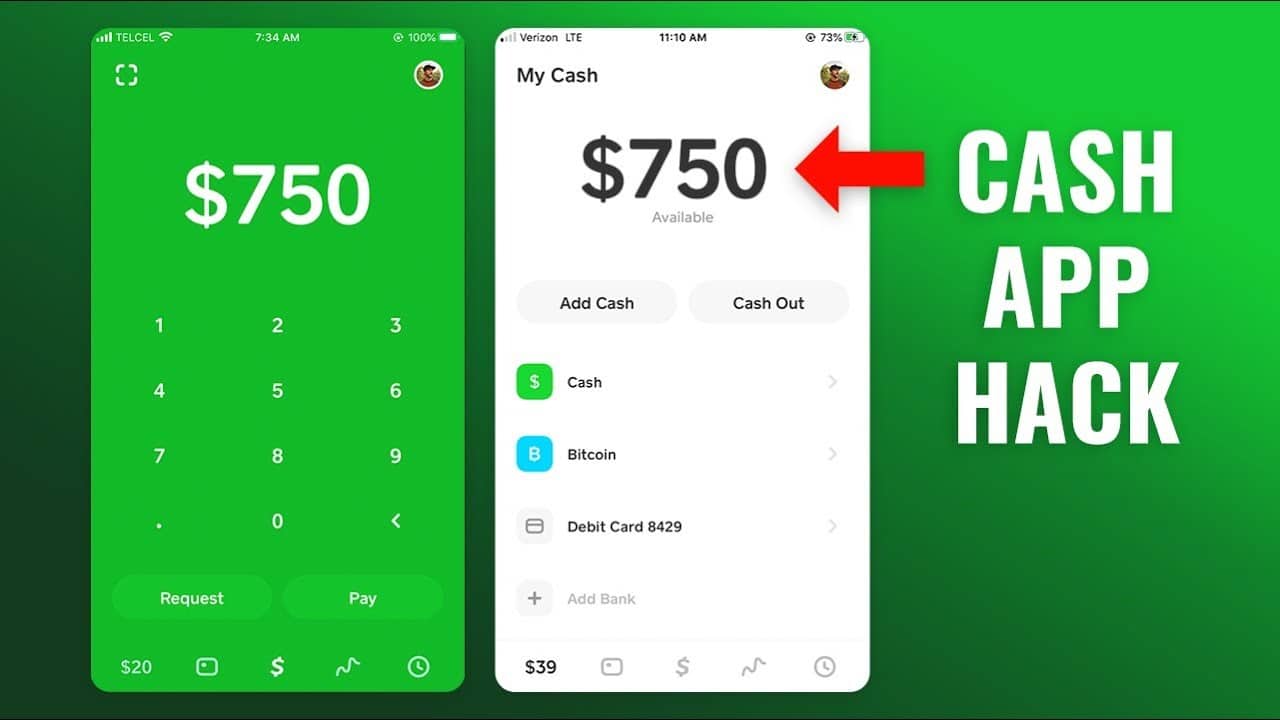
If you spend any time on social media platforms like TikTok, Instagram, or X (formerly Twitter), you have likely stumbled across posts promising a quick financial boost. Among the various viral tags, cashapp750 frequently pops up, dangling the promise of a free $750 deposit directly into your peer-to-peer payment account. In a digital economy where unexpected expenses are common, the temptation of free money is understandably high.
However, the reality behind these viral trends is rarely what internet influencers claim. Digital wallet apps like Cash App have massive user bases, making them prime targets for online marketers, affiliate programs, and unfortunately, malicious scammers. Before you click a suspicious link or hand over your personal details, it is crucial to understand how Cash App promotions actually operate and how to distinguish legitimate rewards from elaborate financial traps.
How Legitimate Cash App Promotions Work
Cash App, developed by Block, Inc., does occasionally run legitimate promotions, referral bonuses, and sweepstakes. However, they rarely hand out large, flat-rate windfalls like $750 without strict conditions. Understanding the official methods Cash App uses to distribute funds can help you separate fact from fiction.
Official Referral Bonuses
The most common way to get free money through Cash App is the standard referral program. When you invite a friend to use the app using your unique referral code, both you and your friend receive a small cash bonus—usually ranging from $5 to $15 after the referred user links a debit card and sends a minimum of $5 to someone.
- Requires a unique, in-app referral link.
- Involves a qualifying transaction (sending a small amount of money).
- Never requires you to pay money upfront to claim your reward.
Official Sweepstakes and Giveaways
Occasionally, Cash App hosts official sweepstakes on their verified social media channels (such as their blue-check-marked Twitter account). These contests typically require users to reply with their $Cashtag and a specific hashtag. Winners are chosen at random, and official rules are always posted on the company's official website.
The Dark Side: Deconstructing the cashapp750 Scam
When you see advertisements or videos pushing the cashapp750 narrative, you are almost never looking at a legitimate Cash App feature. Instead, these campaigns are typically sophisticated lead-generation schemes or outright financial scams designed to steal your data or money.
The "Reward Program" Trap

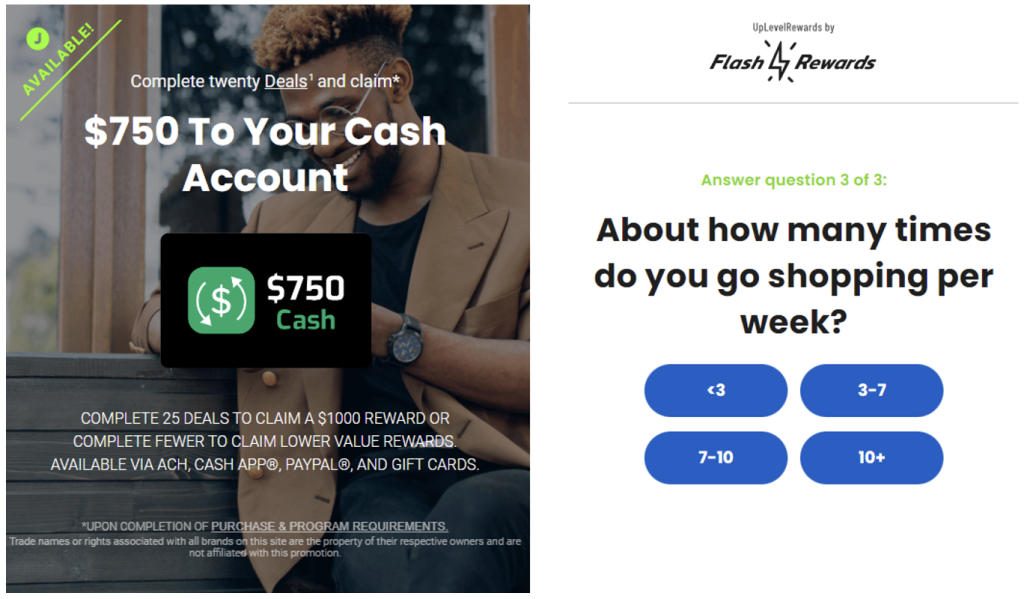
Many websites associated with the $750 Cash App trend claim that you can claim the money by completing a series of "deals" or "offers." These sites are run by third-party affiliate marketers. To get your supposed reward, you are required to:
- Sign up for multiple trial subscription services (streaming apps, credit monitoring, etc.).
- Complete dozens of market research surveys.
- Provide your home address, email, phone number, and date of birth.
In many cases, users complete all the required tasks, only to find that the fine print disqualifies them, or the promised reward never arrives. Meanwhile, your personal data is sold to marketing firms, flooding your inbox with spam and unwanted telemarketing calls.
Phishing and Direct Theft
More dangerous variations of the cashapp750 trend involve direct phishing attacks. Scammers create fake social media profiles impersonating Cash App support or famous influencers. They will tell you that you have won the $750, but to release the funds, you must first send a "verification fee" of $10 or $20. This is always a scam. No legitimate financial institution will ever ask you to send money to receive your own winnings or deposit.
How to Protect Your Cash App Account
Keeping your digital wallet secure requires vigilance and a healthy dose of skepticism. Because peer-to-peer payments happen instantly and are often difficult to reverse, scammers actively target Cash App users. Implement these best practices to keep your funds safe:
- Never pay to get paid: If an offer requires an upfront payment, gift card code, or crypto transfer to unlock a reward, walk away immediately.
- Verify official channels: Check for official verification badges (blue checks) on social media. Real Cash App representatives will never slide into your DMs to offer cash bonuses.
- Never share your PIN or sign-in code: Cash App support will never ask for your full debit card number, PIN, or the one-time login SMS code sent to your phone.
- Keep the app updated: Always download updates directly from the official Apple App Store or Google Play Store to ensure you have the latest security patches.
What to Do If You Fall Victim to a Scam
If you have already interacted with a suspicious cashapp750 link or fallen victim to a fraudulent transfer, you need to act quickly to minimize the damage.
First, open your Cash App mobile application, go to your profile, and lock your debit card immediately. Next, contact Cash App support directly through the app's settings menu to report unauthorized transactions. While peer-to-peer transaction refunds can be difficult to secure if you authorized the payment yourself, reporting the incident helps the security team flag and ban fraudulent accounts.
Finally, if you shared sensitive personal data or login credentials, change your email password immediately and consider placing a fraud alert on your credit reports to prevent identity theft.
Conclusion
The allure of easy money makes trends like cashapp750 incredibly popular, but taking shortcuts online often leads to wasted time, lost money, or compromised personal privacy. Always remember the golden rule of the internet: if an offer sounds too good to be true, it almost certainly is. Stick to official app features, protect your personal information, and rely on hard work rather than viral internet promises to build your financial future.