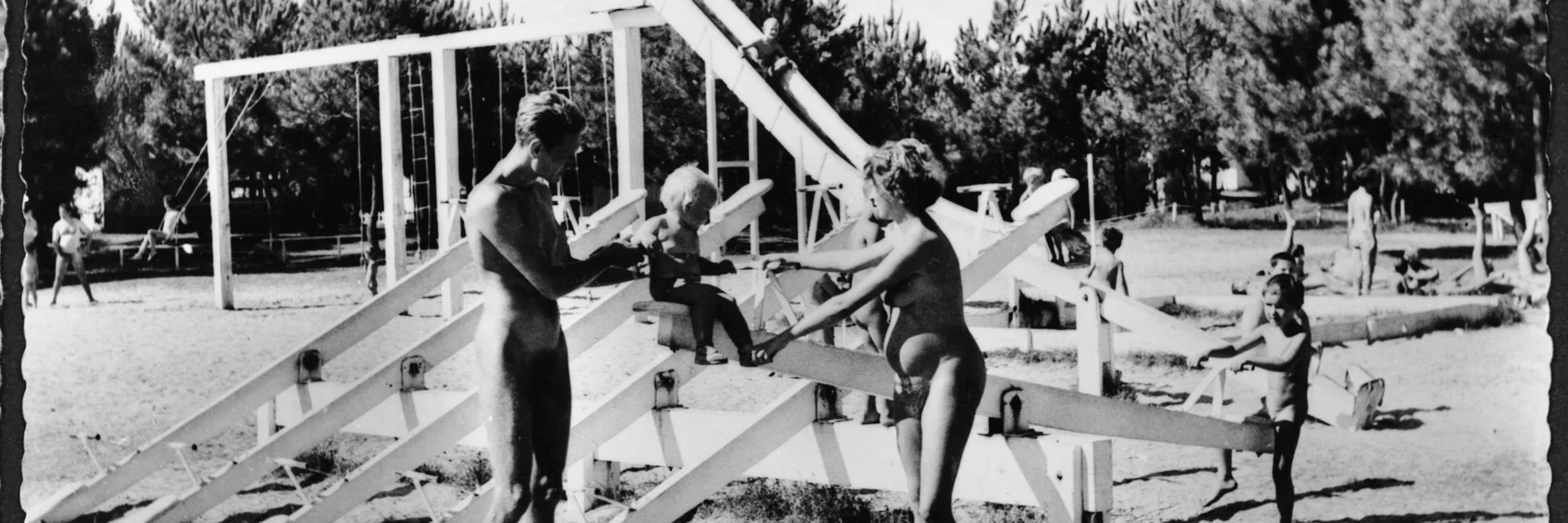
The Truth About Family Naturism
Unveiling the Reality of Social Nudity

When people hear the term family naturism, a flurry of misconceptions often follows. Cultural taboos surrounding the human body run deep, leading many to believe that practicing social nudity at home carries hidden psychological dangers. However, the shocking secret about family naturism/nudism that experts don't want you to know is actually far more mundane—and vastly different from what sensationalized media suggests: there is virtually no clinical evidence linking healthy, non-sexualized family nudity to developmental harm in children.
Instead of the moral panic often promoted by cultural critics, sociological and psychological studies paint a strikingly positive picture. Far from warping young minds, clinical observations suggest that children raised in open, body-positive environments often develop a healthier detachment from physical perfection, reduced body anxiety, and a more robust sense of bodily autonomy. To understand why this practice generates such intense debate—and what the science actually says—we have to strip away the cultural myths and look at the empirical data.
The Cultural Divide: Fear vs. Fact
Human beings are intensely cultural creatures, and attitudes toward clothing and nakedness vary wildly across the globe. In North America and parts of the UK, the body is heavily hyper-sexualized in media, advertising, and public discourse. Consequently, any departure from textile norms is viewed through a suspicious lens.
Conversely, in many European nations, nude beaches, saunas, and family naturist clubs are viewed as wholesome, recreational spaces centered around health, sun, and community. The friction arises when these two worldviews collide. Critics often conflate familial nudity with exposure to inappropriate content, failing to recognize the vital distinction between non-sexual social nudity and exploitation.
Defining Healthy Boundaries
Child development experts emphasize that the context of nudity is everything. Healthy family naturism is strictly non-sexual, platonic, and centered on comfort, hygiene, and body acceptance. Key boundaries usually include:
- Mutual consent and absolute comfort of every family member, including children.
- Clear age-appropriate boundaries as children grow and begin desiring privacy.
- No covert or overt sexualization of the body; nakedness is treated as entirely ordinary and mundane.
- Strict adherence to public laws and private comfort zones.
What Psychological Research Actually Shows

If you ask clinical psychologists who specialize in body image and adolescent development, many will point out a surprising paradox: societies that heavily shame or conceal the body tend to have higher rates of body dysmorphia, eating disorders, and sexual shame among teenagers.
Research into family naturism indicates several consistent outcomes for children raised in these environments:
- Lower Body Shame: Adolescents who grow up seeing diverse, natural bodies at home are less likely to internalize the airbrushed, unrealistic standards promoted by social media.
- Healthier Boundaries: Children accustomed to bodily autonomy learn to articulate personal boundaries more effectively, understanding that their bodies belong to them.
- Reduced Curiosity-Driven Risks: By removing the forbidden mystery surrounding the naked body, naturist families often diffuse the hyper-fixation that some teens develop regarding nudity.
Navigating the Practicalities of Naturism
Adopting a naturist lifestyle within a family unit requires careful communication, emotional intelligence, and respect for individual development. It is never a practice that should be forced. As children transition into pre-teens and teenagers, their desire for privacy naturally increases due to puberty and shifting social awareness. Respecting these boundaries is crucial for maintaining trust.
Furthermore, parents must navigate external social environments carefully. Because societal acceptance varies, children should be taught about cultural contexts so they do not inadvertently cause discomfort or face social ostracization in non-naturist settings.
Conclusion
The sensationalized fears surrounding family naturism largely dissolve when exposed to scientific scrutiny and common-sense parenting principles. The real secret is that openness, when grounded in respect, consent, and healthy boundaries, fosters resilience rather than confusion. By demystifying the human body, families can cultivate an environment where confidence replaces shame, ultimately preparing children to navigate a complex world with self-assurance and grace.