The Truth About Jodi Arias Autopsy Photos
When high-profile criminal trials capture the public's attention, true crime enthusiasts and curious onlookers often search for graphic details and visual evidence. One of the most frequently searched and heavily debated aspects of the 2013 Arizona trial involves the truth about Jodi Arias autopsy photos. Because the case featured intense media coverage, numerous myths, rumors, and misconceptions have circulated online for over a decade regarding what was shown in court and what remains hidden from public view.

Understanding the reality behind these images requires separating sensationalized internet claims from actual courtroom procedure, autopsy records, and Arizona public records laws.
The Background of the Case
To understand why the evidence in the Jodi Arias trial drew such immense scrutiny, it is essential to revisit the events of June 2008. Travis Alexander, a 30-year-old motivational speaker and salesman, was brutally murdered in his Mesa, Arizona home. Jodi Arias, his ex-girlfriend, was arrested and subsequently charged with first-degree murder.
The trial, which began in early 2013, played out in front of live cameras and was broadcast to millions of viewers worldwide. Prosecutors presented a mountain of forensic evidence to prove premeditation, detailing the extent of the attack. During the trial, the medical examiner testified about the severity of Alexander's injuries, which included multiple stab wounds, a slit throat, and a gunshot wound to the head.
What Was Actually Shown in Court?
A common point of confusion among casual observers centers on the difference between crime scene photographs, victim injury photographs, and official medical examiner autopsy photos.
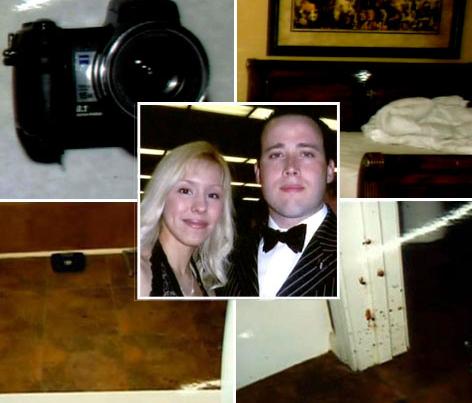
- Crime Scene Photos: These images depict Travis Alexander's bathroom where the attack culminated. They were displayed during the trial to demonstrate the layout of the scene and the violent nature of the struggle.
- Injury and Pathology Photos: The prosecution utilized specific medical slides and photographs taken during the examination of the victim to establish the cause and manner of death. These were necessary for the jury to understand the pathologist's testimony.
- Autopsy Photos: Official post-mortem photographs taken by the medical examiner are strictly regulated. While select images relevant to proving the specific wounds were presented to the judge and jury in a controlled courtroom setting, the complete, unedited catalog of autopsy photos is handled differently.
Are Jodi Arias Autopsy Photos Publicly Available?
A frequent query online involves where to find the complete set of post-mortem images. The short answer is that they are not widely accessible to the general public, and for good reason.
Under Arizona law, autopsy reports and associated records are generally treated as public records. However, the release of graphic post-mortem photographs is subject to strict legal limitations to protect the dignity of the deceased and the privacy of grieving family members. Courts routinely balance the public's right to information against the ethical considerations of distributing highly graphic images of a homicide victim.

While various media outlets obtained certain court exhibits through public records requests during the trial, the most graphic medical imagery was restricted. Websites claiming to offer complete, uncensored galleries often rely on clickbait, scams, or unverified imagery that has little to do with the actual official court exhibits.
The Impact of Graphic Evidence on the Trial
The introduction of graphic evidence served a vital legal purpose during the prosecution of Jodi Arias. Arias initially claimed self-defense, asserting that Alexander had been abusive and that she fought for her life. The defense presented alternative theories about the timeline and nature of the wounds.
To counter this defense, the state relied heavily on forensic science. The medical examiner used photographs of the wounds to demonstrate that Alexander was incapacitated early in the attack, effectively dismantling Arias's claims of a prolonged, balanced struggle. Jurors were required to view difficult evidence to make an informed, objective decision based on the physical facts of the crime.
Respecting the Victim and Avoiding Exploitation
The fascination with the gruesome details of high-profile murders highlights a darker side of true crime culture. Travis Alexander was a real person with a family, friends, and a community that mourned his loss. The relentless online search for sensational images often retraumatizes those who knew and loved him.
Ethical journalism and responsible true crime reporting focus on the judicial process, the systemic issues surrounding domestic violence and abuse, and the pursuit of justice rather than the exploitation of graphic imagery.
Conclusion
The truth about Jodi Arias autopsy photos is rooted in standard courtroom procedure and legal transparency, stripped of the internet myths that often surround the case. While forensic evidence played a crucial role in securing Arias's conviction for first-degree murder, the most graphic images remain appropriately restricted. Ultimately, the focus of the case should never be the morbid details of the crime scene, but rather the memory of Travis Alexander and the legal system's delivery of accountability.