The Truth Behind Clayton Moore’s Net Worth at Death
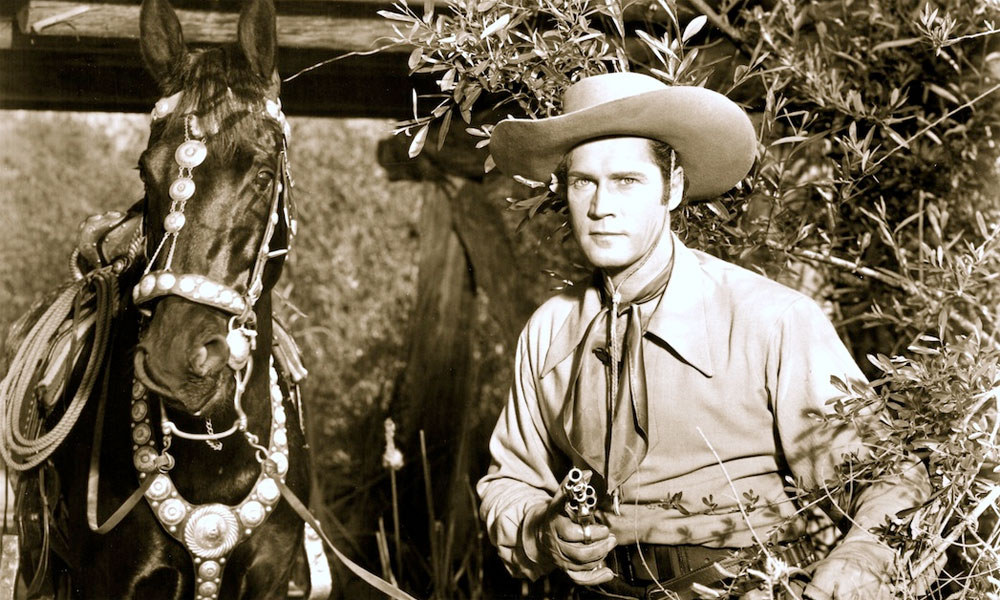
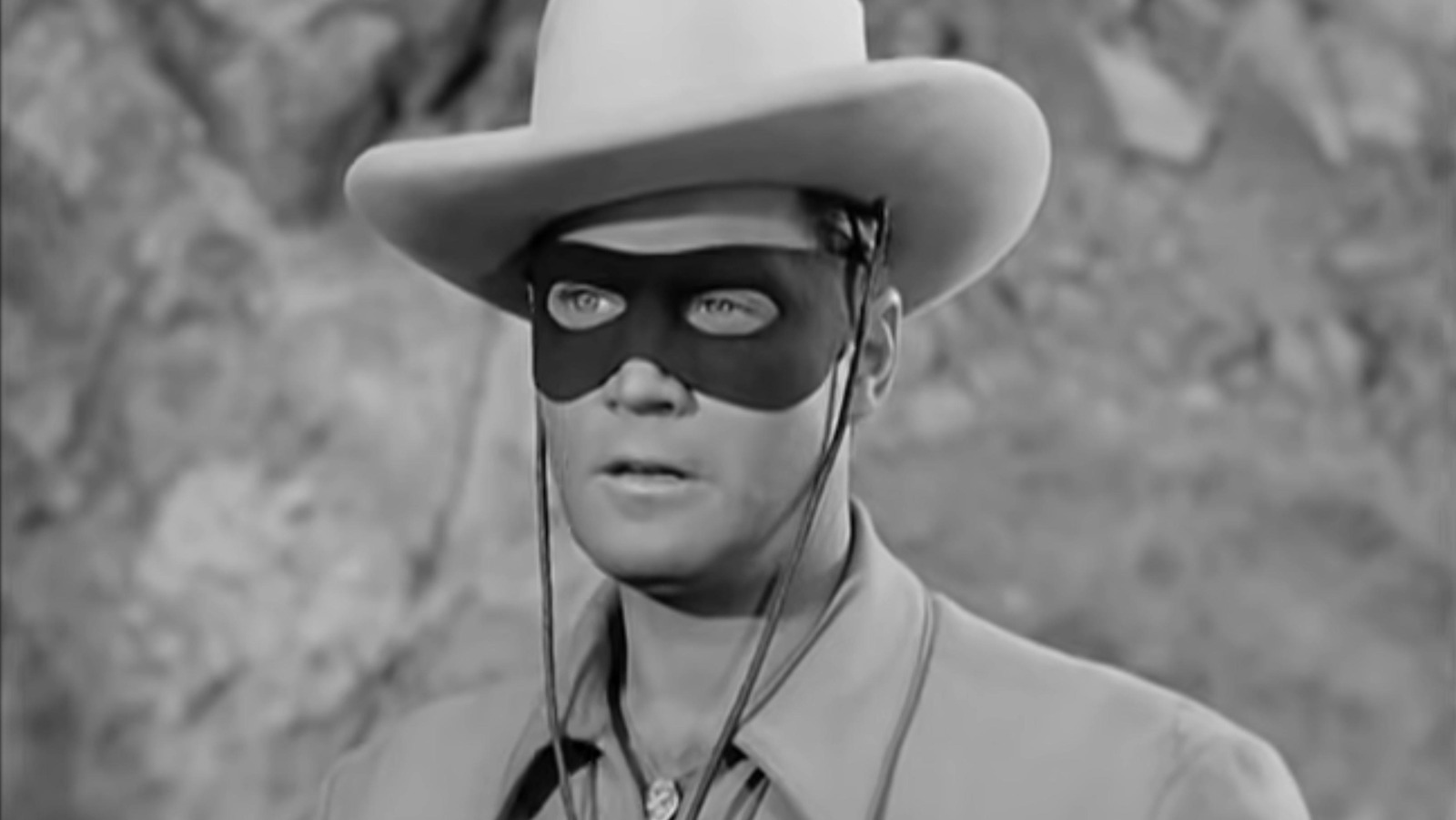
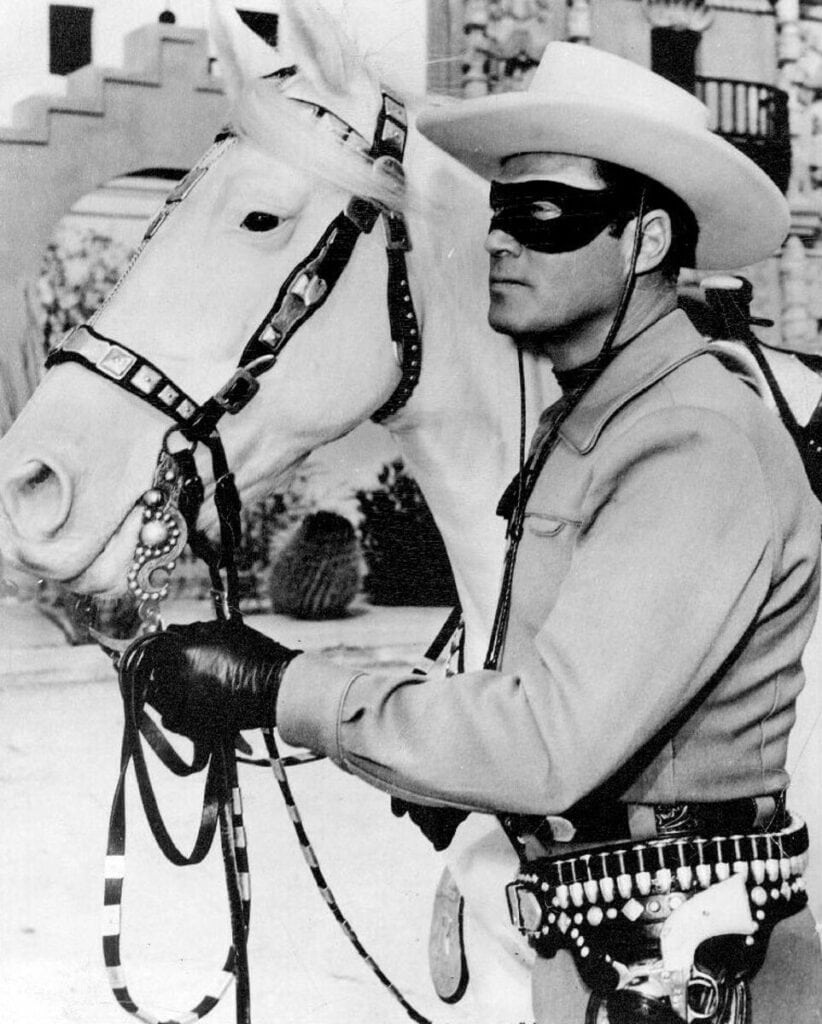
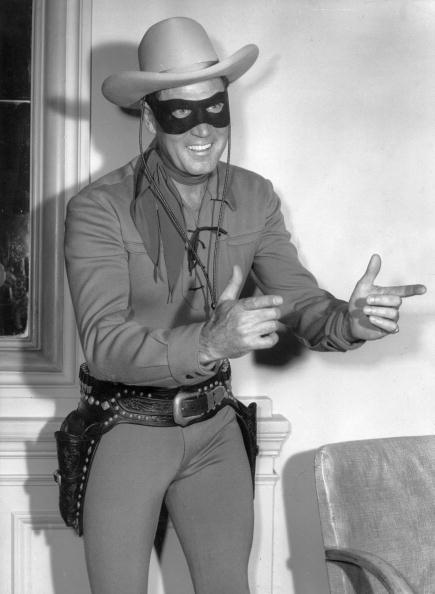
When television audiences in the 1950s tuned in to hear the stirring overture of Rossini’s “William Tell” and the shout of “Hi-yo, Silver, away!”, they were not watching an actor performing a routine role. They were watching Clayton Moore completely embody the Lone Ranger. For millions of viewers, Moore was the definitive Western hero—chivalrous, disciplined, and strictly moral. Yet behind the black domino mask lay a career marked by brutal studio contracts, prolonged legal warfare, and a financial reality very different from modern television stardom. The truth behind Clayton Moore’s net worth at death: a full financial breakdown reveals an estate forged not by massive Hollywood royalties, but by sheer personal perseverance, modest real estate, and decades of relentless public appearances.

The Myth vs. Reality of Moore’s Early Television Earnings
During the height of The Lone Ranger television run on ABC from 1949 to 1957, the show was a ratings juggernaut. Produced by George W. Trendle and later owned by oil tycoon Jack Wrather, the series generated millions in advertising and merchandise revenue. Viewers assumed Moore was earning a fortune commensurate with his iconic status.
In reality, the Golden Age of television operated under standard studio contracts that heavily favored producers over performers:
- Starting Pay: When production began in 1949, Moore was paid roughly $500 per episode. While respectable during the post-war era, it was a modest wage for an actor performing physically demanding stunts under the blazing sun of the Iverson Movie Ranch.
- The 1951 Salary Dispute: Moore recognized his value and demanded a modest raise for season three. The studio refused, briefly replacing him with actor John Hart for 52 episodes. Public backlash eventually forced producers to bring Moore back at a renegotiated rate, though it never approached top-tier movie star compensation.
- Zero Residual Rights: Crucially, standard contracts of the late 1940s and early 1950s did not grant long-term residual participation to actors. When The Lone Ranger went into decades of syndication across the globe, Moore did not collect a percentage of the back-end profits. That wealth flowed directly to the Wrather Corporation.
The 1979 Lawsuit: When the Mask Became a Financial Battleground
In 1979, Moore faced the most severe financial and emotional crisis of his career. Jack Wrather’s production company planned a big-budget feature film, The Legend of the Lone Ranger (1981), starring a younger actor. Seeking to protect their copyright and rebrand the character, Wrather obtained a court injunction prohibiting Moore from appearing in public wearing the signature black domino mask.
This legal mandate threatened Moore’s primary livelihood. By the late 1970s, Moore made his living through personal appearances at car dealerships, county fairs, parades, and conventions. Without the mask, his earning potential was directly attacked.
Rather than surrender, Moore adapted. He donned wrap-around Foster Grant sunglasses in place of the mask and took his case to the public court of opinion. He countersued and sustained hefty legal fees for over five years. The public firmly sided with Moore, boycotting the 1981 movie (which flopped disastrously). In 1984, shortly before Wrather’s death, the injunction was lifted, and in 1985 Moore officially put his mask back on. While the legal victory preserved his legacy, the prolonged litigation drained a substantial portion of his liquid savings during the 1980s.
The Truth Behind Clayton Moore’s Net Worth at Death: A Full Financial Breakdown
Clayton Moore passed away from a heart attack on December 28, 1999, at West Hills Hospital in Los Angeles, California, at the age of 85. At the time of his death, public estimates of his wealth varied wildly, but public records, probate filings, and industry historians establish his actual net worth at approximately $1 million to $1.5 million (equivalent to roughly $1.8 million to $2.7 million today, adjusted for inflation).
Here is how his estate broke down across his primary asset classes:
1. Real Estate Holdings (Estimated Value: $700,000 – $900,000)
Video: Clayton Moore’s Wife Revealed the Heartbreaking Truth Before His Death

Moore’s most stable financial asset was his Southern California real estate. Unlike many contemporary stars who bought sprawling Beverly Hills estates, Moore preferred quiet living in the San Fernando Valley. His long-time primary residence in Calabasas appreciated significantly over the final decades of the 20th century as suburban Los Angeles property values surged, forming the core anchor of his estate value.
2. Personal Appearances and Commercial Endorsements (Estimated Annual Earnings: $100,000 – $150,000)
Even in his late 70s and early 80s, Moore maintained a disciplined appearance schedule. Between 1985 and 1998, he routinely commanded appearance fees between $5,000 and $10,000 per event. In addition, commercial spots—including memorable promotions for Foster Grant sunglasses, Jeno’s Pizza Rolls, and Dodge—provided periodic injections of cash that funded his retirement and covered medical expenses in his final years.
3. Memorabilia and Physical Assets (Estimated Value: $150,000 – $250,000)
Moore preserved several authentic costumes, custom silver-mounted gun belts, prop Colt .45 revolvers, and Stetson hats. While Moore regarded these items as sacred tools of his alter ego rather than auction investments, their historical value was considerable. Following his death, portions of his memorabilia were preserved by family or displayed in institutions like the National Cowboy & Western Heritage Museum.
4. Liquid Assets and Cash Reserves (Estimated Value: $200,000 – $350,000)
Having survived the Great Depression and the lean years of the 1970s legal battle, Moore was notoriously prudent with cash. His liquid reserves consisted largely of conservative investments, personal savings, and union pensions from the Screen Actors Guild (SAG).
Why Moore’s Wealth Was Modest Compared to Modern Television Icons
To understand why a man who played one of the most recognizable figures in 20th-century pop culture did not leave behind a $50 million fortune, one must look at the shifting economics of Hollywood:
- The Pre-Syndication Era: Contemporary television stars regularly negotiate equity stakes and back-end percentages. Actors from the 1950s worked on work-for-hire studio contracts. The astronomical profits generated by The Lone Ranger reruns enriched distributors and executives, not the cast.
- No Merchandising Royalties: Comic books, lunchboxes, toy six-shooters, and Halloween costumes generated tens of millions of dollars over five decades. Moore received virtually no percentage of these product sales.
- Legal Overhead: His battle against the Wrather Corporation cost tens of thousands of dollars in attorney retainers during an era when he was temporarily barred from earning top-tier appearance income.
Legacy Beyond the Balance Sheet
Clayton Moore’s estate was inherited primarily by his fourth wife, Clarita Moore (née Petrone), and his adopted daughter, Dawn Angela Moore. While the financial balance sheet proved that Moore lived as an upper-middle-class gentleman rather than a mega-wealthy tycoon, his true wealth lay in his cultural standing.
Moore was one of the few actors in history awarded a star on the Hollywood Walk of Fame that included the name of his character alongside his own: “Clayton Moore — The Lone Ranger.” He never resented the character that defined him; instead, he honored the Ranger’s strict creed of honesty and justice until his final days, leaving an unblemished reputation that outshined any monetary figure.