The Truth Behind Jim Jones's Wealth and Assets
Unraveling the Financial Mystery of the Peoples Temple

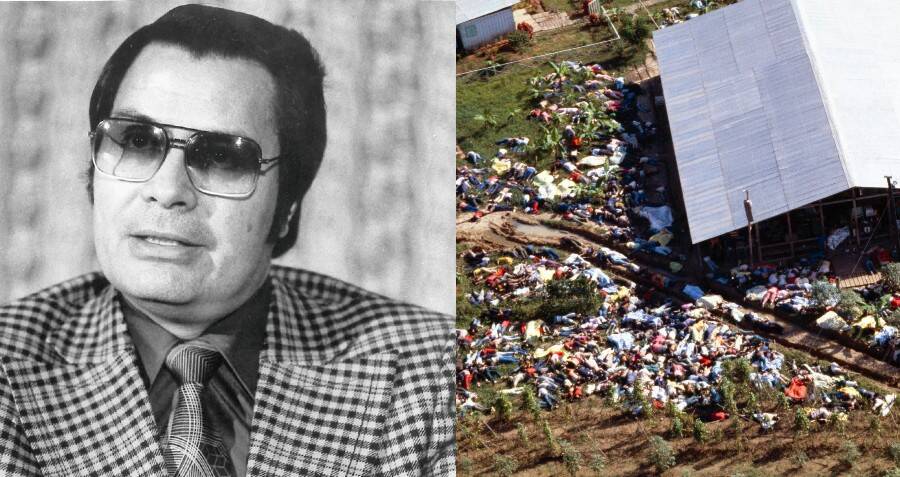
Decades after the tragic events at Jonestown in Guyana, popular culture remains fascinated by the sheer scale of the Peoples Temple operation. Beyond the psychological manipulation and the horrific loss of life, a persistent question lingers regarding the movement's financial footprint. When people look back at the organization, they often ask: You Won’t Believe How Rich Jim Jones Was—Cult Leader’s Hidden Billion! or similar sensationalized claims found across internet forums and documentaries. However, separating historical reality from sensational myth requires a close examination of archival records, government investigations, and financial documents.
Jim Jones did not start out wealthy. Born in rural Indiana, he built his church from modest beginnings in the 1950s. By the 1970s, however, the Peoples Temple had grown into a massive socio-religious movement with operations in Indianapolis, San Francisco, Los Angeles, and ultimately South America. As the church expanded, so did its cash flow, leading to widespread speculation about hidden fortunes, secret Swiss bank accounts, and vast real estate holdings.
How the Peoples Temple Acquired Wealth
To understand the financial standing of Jim Jones, one must analyze the diverse revenue streams that fed the Peoples Temple treasury. The church was not merely a spiritual organization; it operated like a complex conglomerate, leveraging psychological devotion to extract financial resources from its followers.
Member Donations and Surrendered Assets
The primary source of income for the Peoples Temple came directly from its congregation. Jim Jones preached a brand of apostolic socialism that encouraged followers to turn away from material possessions. In practice, this meant:
- Signing over homes, cars, and personal property to the church.
- Handing over monthly paychecks, social security checks, and pension benefits.
- Liquidating life savings to fund church expansion projects and communal living setups.
New members entering the fold were frequently subjected to intense pressure to sever ties with the outside world, which included donating all personal wealth to the collective. For elderly members, this often meant signing over government checks directly to Jones or his inner circle.
Real Estate Holdings in California
During the mid-1970s, the Peoples Temple established a powerful presence in the San Francisco Bay Area. Using the liquid assets generated from member donations and property liquidations, the church acquired a significant real estate portfolio.

Properties included large residential homes used as communal living spaces, commercial buildings, and fleet vehicles for transportation. While these holdings represented millions of dollars in real estate value, they were largely tied up in communal operations rather than sitting as liquid cash in a personal bank account.
The Guyana Venture: Jonestown Finances
In the late 1970s, facing mounting media scrutiny and legal investigations in California, Jim Jones accelerated the migration of his followers to the Agricultural Project in Guyana, commonly known as Jonestown. Building and maintaining a remote jungle settlement required enormous capital.
Millions of dollars were funneled out of the United States and into foreign accounts, primarily in Panama and Swiss banks, to finance the construction of Jonestown and grease the wheels of Guyanese bureaucracy. Investigators later traced large sums of cash, gold, and negotiable instruments that Jones had stashed away, anticipating a potential flight from justice.
Separating Fact from Fiction: Was There a Hidden Billion?
Despite persistent rumors, historical evidence does not support the claim that Jim Jones amassed a hidden billion-dollar fortune. While the church handled millions of dollars over its lifespan, much of that money was constantly reinvested into the operation, legal fees, political donations, and the costly Jonestown relocation.
Following the tragedy in November 1978, the U.S. government and investigative journalists launched extensive probes into the remaining assets of the Peoples Temple. Authorities recovered significant amounts of cash and various properties, but the total liquidated value fell far short of a billion dollars.
Much of the wealth existed in the form of controlled assets, stolen inheritances, and exploited government benefits rather than legitimate, enduring personal capital. Jones maintained absolute autocratic control over the funds, using money as a tool of power and insulation rather than hoarding it for personal luxury.
Conclusion
The financial story of Jim Jones is a cautionary tale of exploitation, manipulation, and unchecked power. While the idea of a hidden billionaire cult leader makes for compelling true-crime lore, the reality was a devastating scheme built on the stripped-down savings of vulnerable people. The Peoples Temple operated a massive financial machine, but its true legacy remains rooted in the tragic human cost rather than a lost fortune.