The Truth Behind the 750 Survey Scam
If you have spent any time browsing social media or checking your email inbox lately, you have likely encountered promotions promising high-value rewards for just a few minutes of your time. Among these, the 750 survey scam is one of the most persistent online traps. Promising gift cards, cash apps, or expensive electronics in exchange for answering simple questions, these offers look like a quick way to make extra money. Unfortunately, they are entirely fraudulent schemes designed to harvest your personal information, enroll you in unwanted subscriptions, or infect your device with malware.
How the 750 Survey Scam Works
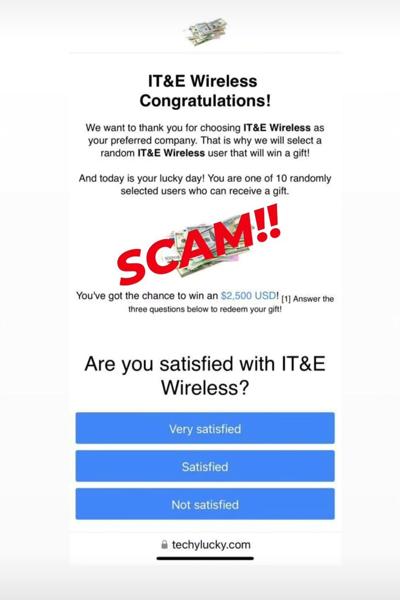
To avoid falling victim to these deceptive campaigns, it helps to understand the anatomy of the trap. The 750 survey scam typically begins with an enticing advertisement on platforms like Facebook, Instagram, TikTok, or via unsolicited text messages and emails. These ads feature well-known retail brands like Walmart, Amazon, or Target, creating a false sense of legitimacy.
The Lure: Too Good to Be True Rewards
The hook is almost always a substantial financial incentive—usually a $750 store credit, gift card, or payment app balance. The ad will claim that a popular retailer is clearing out inventory or running a promotional market research campaign, and that you have been specially selected to participate. In reality, these brands have nothing to do with the promotion; scammers simply use their logos and likenesses without authorization.
The Trap: Endless Hoops and Data Harvesting
Once you click the link, you are directed to a third-party website that mimics a legitimate survey platform. You are asked a series of basic questions about your shopping habits or consumer preferences. No matter what you answer, you will eventually reach a congratulatory screen stating that you have won the $750 reward.
However, collecting that reward requires you to complete a series of conditions. This is where the true objective of the scam is revealed:
- Personal Information Harvesting: You are asked to provide your full name, home address, phone number, email address, and date of birth. This data is often sold to marketing brokers or used for identity theft.
- Trial Subscriptions: You are forced to sign up for third-party trial offers—such as weight loss supplements, streaming services, or credit-monitoring apps—that automatically charge a high monthly fee after a short introductory period.
- Spam and Telemarketing: Once your contact details are captured, you will likely experience a massive influx of spam emails, automated robocalls, and malicious text messages.
Red Flags to Identify Survey Scams
Scammers constantly refine their tactics, but certain warning signs consistently expose these fraudulent campaigns. Before you click on any online advertisement or fill out a form, look for these telltale indicators:
- Unrealistic Rewards for Minimal Effort: No legitimate market research company will pay $750 for a five-minute multiple-choice survey. If the payout seems disproportionately high compared to the task, it is a scam.
- Unsolicited Invitations: Major retailers rarely run promotional campaigns via random text messages or pop-up social media ads. Check the official website of the brand in question to see if a promotion is actually happening.
- Suspicious URLs: Look closely at the website address in your browser bar. While the ad might mention a trusted brand, the actual landing page URL will likely be a strange, randomized string of characters or an unfamiliar domain.
- Aggressive Urgency: Scam sites often use countdown timers or banners stating "Only 3 spots left!" to pressure you into acting quickly before you have time to think critically.
- Hidden Terms and Conditions: If you scroll to the bottom of the landing page in tiny font, you will often find fine print revealing that claiming the "prize" requires signing up for expensive recurring subscriptions.
What to Do If You Already Fell for the Scam
If you have already interacted with a 750 survey scam and entered your personal information, do not panic. Swift action can mitigate the potential damage and protect your finances.
Secure Your Accounts and Contact Information
If you provided a password on the fraudulent site—especially if you reuse passwords across multiple platforms—change your login credentials immediately. Enable two-factor authentication (2FA) on your primary email and financial accounts to add an extra layer of security.
Watch Out for Unauthorized Charges
If you entered credit or debit card information to cover a nominal "shipping fee" or signed up for a trial, monitor your bank statements closely. Contact your bank or card issuer immediately to report the fraudulent charge, cancel the card, and request a replacement. Ensure that any recurring subscriptions initiated by the scam are formally canceled.
Block Spam and Report the Ad
Expect an increase in junk communications. Use your phone and email provider's built-in blocking features to filter out spam numbers and phishing links. Furthermore, report the original scam ad to the platform where you found it (such as Facebook or Instagram) so administrators can remove it and ban the accounts responsible.
How to Find Legitimate Paid Surveys
While the 750 reward promises are entirely fake, participating in legitimate market research is a genuine way to earn small amounts of supplemental income or gift cards. To stay safe while earning online, stick to reputable survey panels with proven track records, such as Swagbucks, Survey Junkie, or branded research programs run by established market analysis firms.
Legitimate survey sites will never ask you to pay an upfront fee to join, nor will they require you to sign up for random recurring subscriptions to collect your earnings. Payouts are typically modest—often ranging from a few cents to a few dollars per survey—reflecting the actual value of consumer data. If an offer sounds too good to be true, it almost certainly is.


