The Twilight Zone Incident: Tragedy and Trial
On July 23, 1982, the landscape of Hollywood changed forever. During the filming of Twilight Zone: The Movie, a late-night sequence went catastrophically wrong, resulting in the deaths of veteran actor Vic Morrow and two child actors, Myca Dinh Le and Renee Shin-Yi Chen. Known simply as the Twilight Zone incident, this tragedy remains one of the darkest chapters in American cinema history, sparking intense debate over working hours, child labor laws, pyrotechnics, and negligence on film sets.

The Setup and the Scene
Segment number four of Twilight Zone: The Movie was being directed by John Landis, a prominent filmmaker at the peak of his career following comedies like Animal House and An American Werewolf in London. The segment was a remake of a classic television episode titled 'Quality of Time,' which originally starred Sterling Holloway.
In the script, a bigoted man experiences firsthand what it is like to be hunted by minority groups, including Nazi soldiers, Ku Klux Klan members, and the Viet Cong. The fatal scene required Vic Morrow’s character to carry two Vietnamese children across a shallow river while trying to escape a pursuing U.S. Huey helicopter hovering at a low altitude.
What Went Wrong During the Twilight Zone Incident
The production was filming on location at Indian Dunes in Valencia, California, during the early morning hours. Several factors compounded to create a lethal environment:
- Unregulated Explosives: The scene utilized heavy mortar-like pyrotechnic explosions close to the helicopter's flight path.
- Low Altitude: The helicopter was directed to fly at a dangerously low altitude of just 24 feet above the ground, well within the blast radius of the special effects explosions.
- The Children's Employment: The child actors were hired illegally, paid in cash to circumvent California's strict child labor laws and regulations regarding night shoots and hazardous conditions.
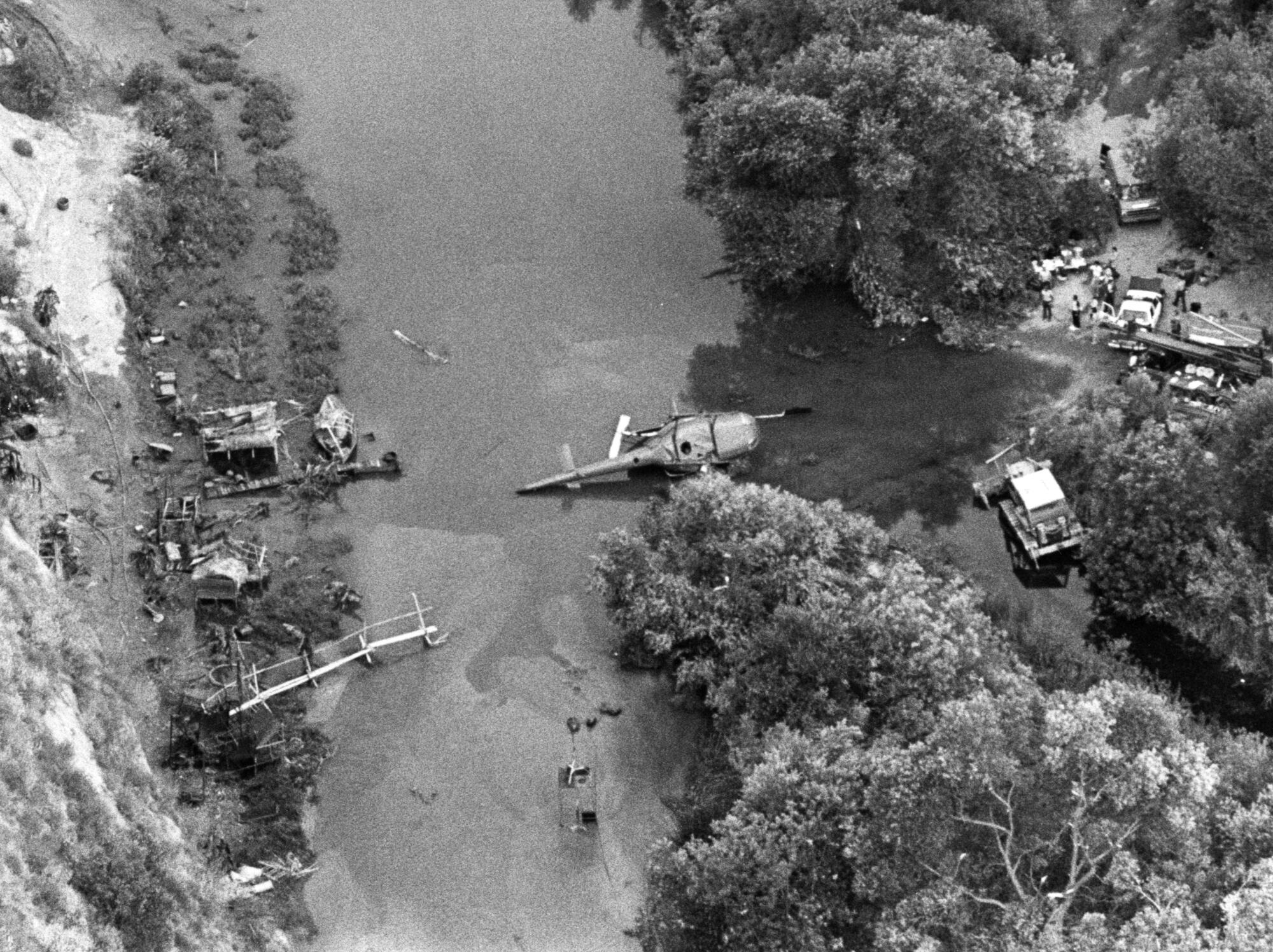
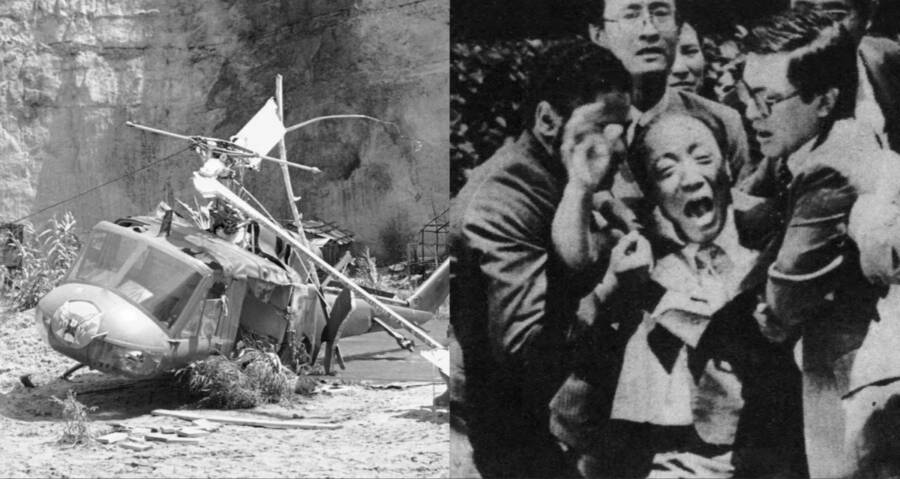
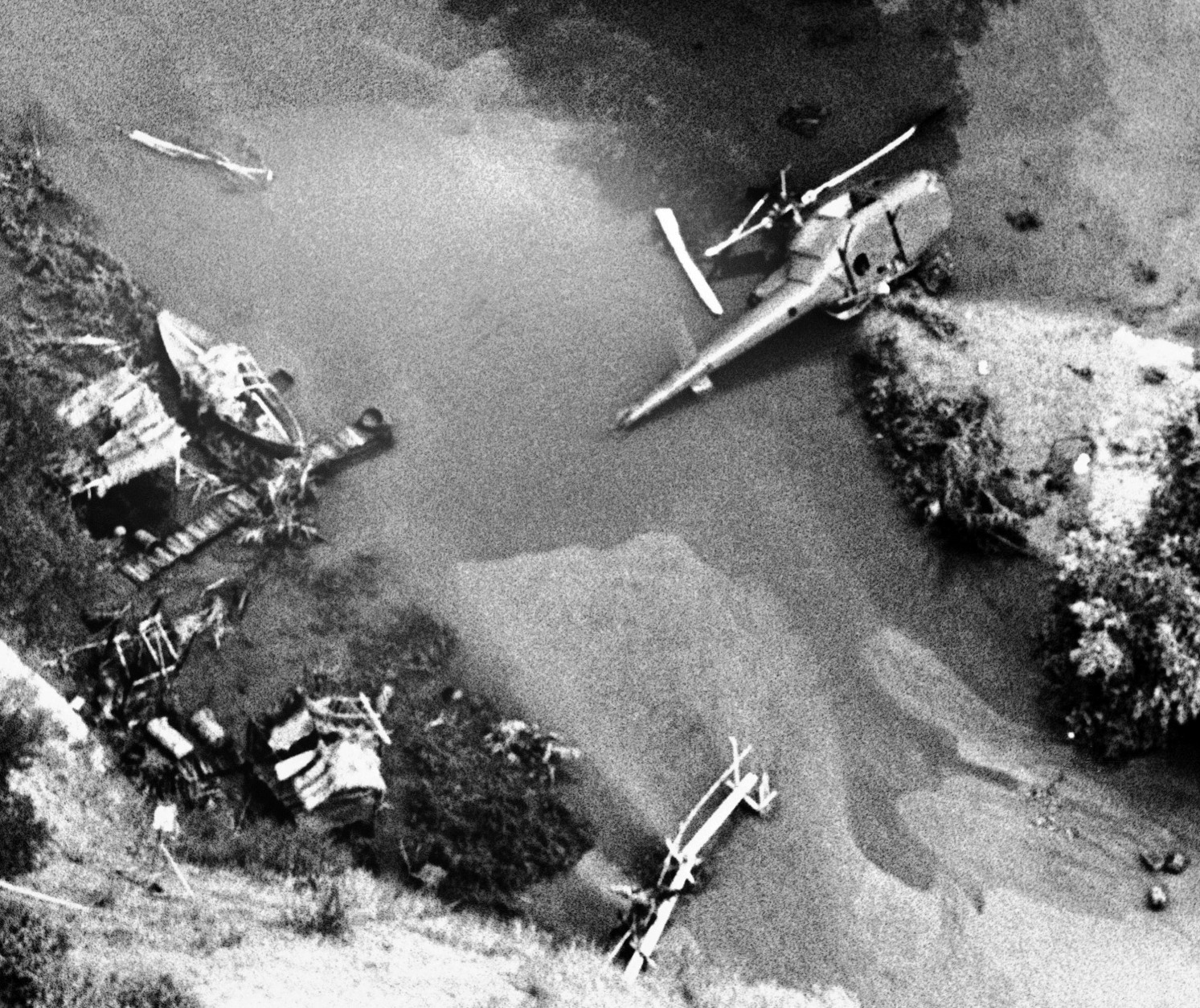
When the explosives detonated prematurely, the concussive force disabled the UH-1 Huey helicopter's tail rotor. The aircraft spun out of control and crashed into the shallow river. The rotor blades struck Morrow and six-year-old Myca Dinh Le, killing them instantly, while seven-year-old Renee Shin-Yi Chen was crushed beneath the fallen wreckage. The six crew members and the pilot inside the aircraft sustained injuries, but survived.
The Aftermath and Legal Fallout
The immediate aftermath sent shockwaves through the entertainment industry. The federal government, through the National Transportation Safety Board (NTSB) and the Federal Aviation Administration (FAA), launched investigations into the crash. The findings pointed directly to poor communication, inadequate safety briefings, and a disregard for aviation and labor regulations.
The Criminal Trial
Video: Twilight Zone Accident
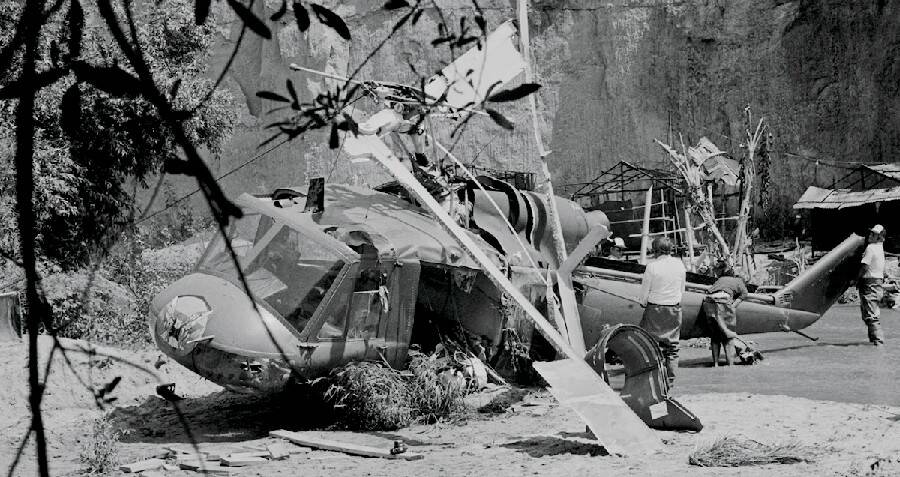
In 1986, director John Landis, associate producer George Folsey Jr., production manager Dan Allingham, pilot Dorian 'Bud' Field, and pyrotechnician Paul Stewart were brought to trial on charges of involuntary manslaughter. It was the first time in United States history that film directors and producers faced criminal charges for a fatality occurring on a movie set.
The trial lasted nearly nine months. The prosecution argued that the defendants showed reckless disregard for human life, highlighting that crew members had warned Landis about the dangers of combining low-flying aircraft with live pyrotechnics, warnings that were reportedly ignored.
Ultimately, in 1987, the jury acquitted all the defendants of involuntary manslaughter. While the verdict stunned many critics and victims' families, the legal battle established a grim precedent: creative ambition on a film set does not grant immunity from criminal scrutiny, even if a direct conviction was not secured.
How the Industry Changed
While the legal system did not hand down prison sentences, the ramifications of the Twilight Zone incident forced Hollywood to institute sweeping reforms. Studios and guilds could no longer look the other way regarding on-set safety.
Stricter Safety Protocols: The Directors Guild of America (DGA) and the Screen Actors Guild (SAG) established rigorous safety guidelines, empowering safety representatives to shut down productions immediately if conditions became hazardous.
Enforcement of Child Labor Laws: Regulatory bodies clamped down on illegal night shoots and dangerous stunts involving minors, ensuring strict compliance with state welfare workers on every set.
Pyrotechnic Oversight: Special effects coordinators became heavily regulated, requiring detailed safety meetings (tailgate meetings) with all cast and crew members prior to executing dangerous stunts.
Conclusion
The Twilight Zone incident remains a sobering reminder of the high stakes involved in filmmaking. It transformed the culture of movie sets from a reckless wild-west atmosphere into a more structured, safety-conscious industry. Though safety standards have vastly improved, the tragedy serves as a permanent memorial to Vic Morrow, Myca Dinh Le, and Renee Shin-Yi Chen, proving that no shot, scene, or film is worth a human life.