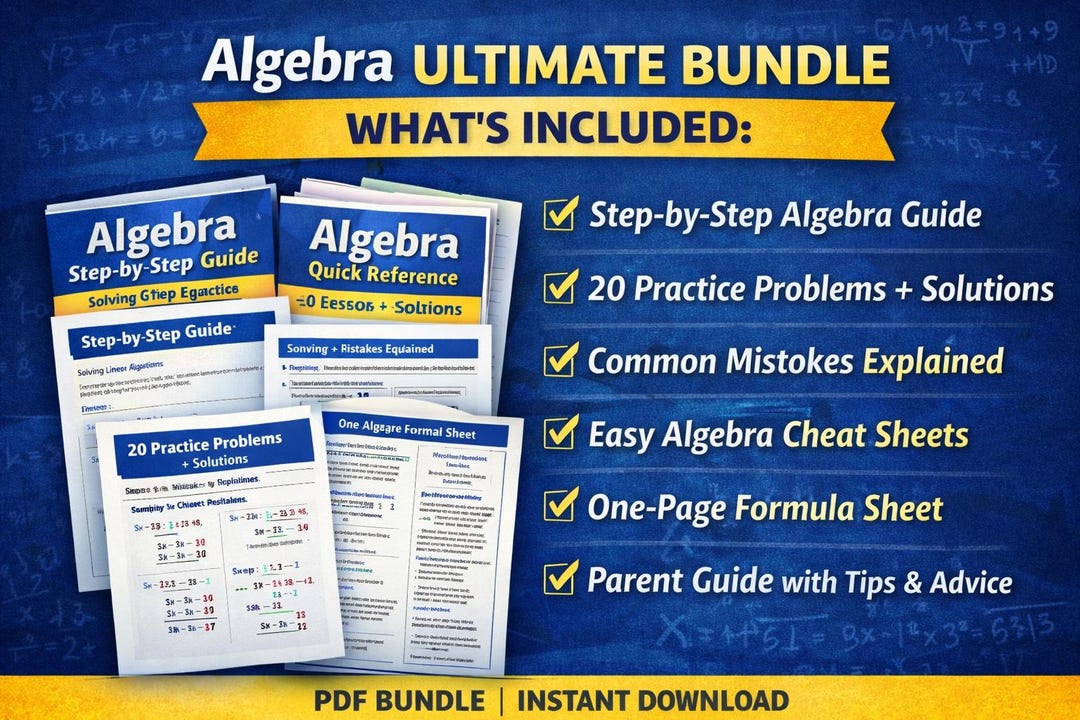
The Ultimate Algebra Resource for Students on the Go
Conquering Algebra Outside the Classroom

Modern students juggle packed schedules filled with after-school activities, sports, part-time jobs, and social commitments. Finding dedicated hours to sit at a desk and practice polynomial equations can feel nearly impossible. That is why having access to flexible, high-quality learning materials is essential for academic success.
Whether you are waiting for the bus, riding in the passenger seat on the way to practice, or stealing ten minutes between classes, mobile-friendly learning has changed how we study. Finding the ultimate algebra resource for students on the go means discovering tools that turn dead time into productive math sessions without requiring heavy textbooks or a permanent internet connection.
Top Mobile-Friendly Algebra Tools
Smartphones and tablets are no longer just for social media; they are powerful pocket-sized tutors. The right software can break down complex factoring, quadratic formulas, and linear equations into bite-sized, digestible lessons.
1. Interactive Graphing Calculators
Gone are the days of lugging bulky physical graphing calculators everywhere you go. Mobile apps now replicate—and often improve upon—traditional handheld devices.
- Desmos: Widely praised for its clean interface, Desmos lets you plot equations, create tables, and explore transformations instantly on your phone screen.
- GeoGebra: This dynamic software combines geometry, algebra, and calculus into one seamless mobile application, perfect for visual learners.
2. Step-by-Step Problem Solvers
Getting stuck on a homework problem at 9 PM is a universal student frustration. While you should never rely solely on answer keys, guided problem solvers provide the immediate feedback needed to overcome mental blocks.
- Photomath: Snap a picture of a handwritten or printed algebra problem, and the app breaks down the solution into clear, step-by-step explanations.
- Symbolab: An advanced solver that handles everything from basic pre-algebra to complex matrices, showing the exact intermediate steps required to reach the answer.
3. Micro-Learning and Practice Platforms
When you only have five minutes, you do not want to start a massive chapter review. Micro-learning platforms deliver quick, targeted exercises.
- Khan Academy: Their mobile app features thousands of short instructional videos and practice questions tailored to every algebra sub-topic imaginable.
- Quizlet: Perfect for memorizing algebraic properties, exponent rules, and vocabulary terms through flashcards on your phone.
Strategies for Studying Math on Your Phone
Having the best apps installed on your device is only half the battle. To truly benefit from a mobile algebra resource, you need a smart strategy that keeps you focused and prevents mindless scrolling.
Embrace Active Practice Over Passive Viewing
It is easy to watch an instructional video on your phone and feel like you understand the concept. However, mathematics is a participatory sport. Always keep a scratchpad or digital notebook handy. Pause the video or app before the solution is revealed, and try to work through the next step yourself.
Leverage Offline Capabilities
Cell service can be spotty in school hallways, basements, or during commutes. Make sure the apps and digital flashcards you rely on offer robust offline modes. Download video tutorials and practice sets ahead of time so you can study seamlessly on the subway or during a flight.
Focus on One Micro-Concept at a Time
Do not try to study an entire unit on polynomials in a ten-minute window. Instead, hyper-focus on a single sub-skill, such as factoring by grouping. Short, focused micro-sessions improve retention and prevent cognitive overload.
Building a Digital Algebra Toolkit
To get the most out of your mobile study routine, curate a lean, effective toolkit rather than cluttering your home screen with dozens of redundant apps. A balanced setup typically includes:
- One primary video/curriculum app (like Khan Academy) for learning new concepts.
- One reference and graphing tool (like Desmos) for visualizing functions.
- One verification assistant (like Photomath or Symbolab) to check your independent work and explain errors.
By combining these targeted applications with disciplined study habits, you can transform your smartphone into a powerful academic asset. Master your equations, boost your grades, and take control of your learning schedule no matter where your day takes you.