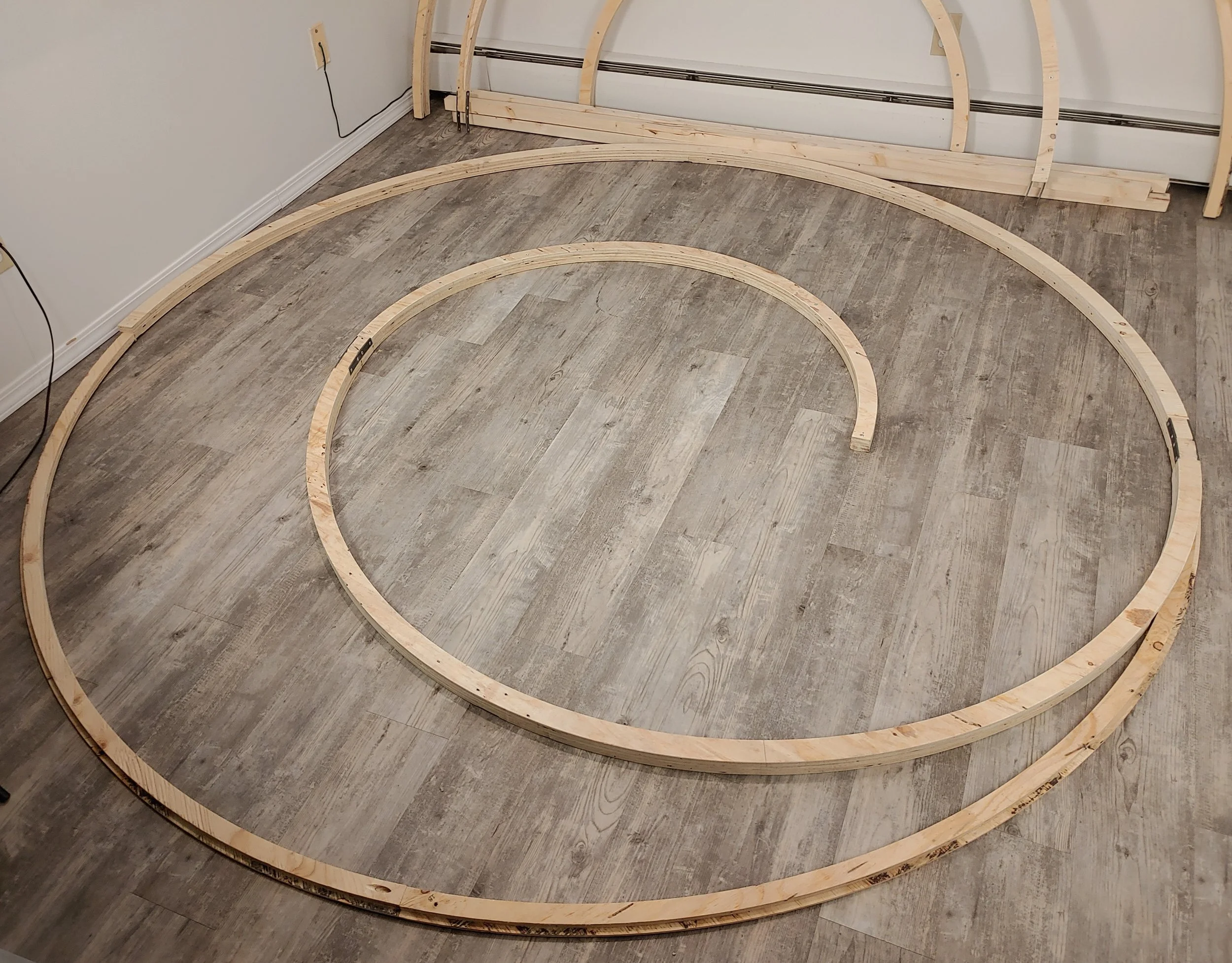
The Ultimate Kozyrev Mirror Hack for ADHD Sufferers?
In recent discussions across wellness forums and alternative tech spaces, a curious concept has emerged: the ultimate Kozyrev mirror hack for ADHD sufferers. Proponents claim that spending time inside curved metal enclosures can recalibrate brainwaves, eliminate distractions, and sharpen concentration. For adults and teens navigating the daily frustrations of Attention Deficit Hyperactivity Disorder (ADHD), the promise of a novel, physical device that could instantly quiet an overactive mind is understandably tempting. However, understanding what these devices actually are—and distinguishing ungrounded theories from established neurological science—is essential before investing time, energy, or hope into fringe solutions.

What Is a Kozyrev Mirror?
The concept of the Kozyrev mirror originates from the work of Soviet astrophysicist Nikolai Aleksandrovich Kozyrev in the mid-20th century. Kozyrev proposed unconventional hypotheses regarding the nature of time, suggesting that time was not merely an abstract coordinate, but a physical medium capable of transmitting energy and exerting force. Following his theories, researchers in Russia during the late 1980s and early 1990s constructed cylindrical and spiral structures made of reflective aluminum sheets, dubbed 'Kozyrev mirrors.'
These apparatuses were hypothesized to shield occupants from external electromagnetic fields while theoretically concentrating Kozyrev's postulated 'time flows.' During experimental runs at the Institute of Experimental Medicine in Siberia, participants inside the cylinders reported unusual subjective sensations, ranging from visual anomalies and altered time perception to heightened states of relaxation. However, these experiments lacked standard double-blind controls, and the underlying theoretical physics has never been verified or accepted by the broader international scientific community.
The Ultimate Kozyrev Mirror Hack for ADHD Sufferers: Myth vs. Reality
Online discussions often attempt to link the sensory effects of a Kozyrev enclosure to ADHD management. The rationale typically relies on a significant logical leap: if a mirrored cylinder alters subjective awareness or induces a deep trance-like state, it might theoretically reset an executive functioning deficit. Examining this claim critically reveals where the theory breaks down.
1. Lack of Empirical Support for Neurological Remodeling
ADHD is a complex neurodevelopmental condition primarily characterized by differences in dopamine and norepinephrine signaling within the prefrontal cortex. This region governs executive functions such as impulse control, working memory, task initiation, and emotional regulation. There is zero clinical or neuroimaging evidence indicating that reflective aluminum sheets alter neurotransmitter availability, receptor density, or neural pathway efficiency. Any claim presenting these devices as a viable therapeutic tool for ADHD lacks factual basis.
2. The Sensory Deprivation Factor
When individuals sit inside a curved, opaque metal structure, they are physically shielded from ambient light, peripheral movement, and high-frequency noise. The acoustic properties of a curved metal wall can also create an unusual auditory environment. For a person with ADHD who is constantly overwhelmed by sensory inputs, an isolated, quiet chamber naturally feels calming. The perceived benefit is not derived from esoteric temporal energy or mirrored reflections; it is simply the basic effect of reducing sensory overload in an enclosed space.
3. The Placebo and Novelty Effect
The ADHD brain thrives on novelty. Encountering an unusual device or participating in an unconventional ritual often generates a temporary surge of dopamine, resulting in an immediate, short-lived boost in alertness and mood. Mistaking this transient novelty effect for a structural cognitive improvement is common, but it rarely translates to sustainable, long-term symptom management.
Video: Building a real kozyrev mirror part one. Craziness to follow. #shorts #thewhyfiles #kozyrevmirror

Risks of Chasing Unproven Interventions
While exploring unusual concepts can be intriguing, treating speculative devices as practical health interventions carries real downsides for individuals with ADHD:
- Opportunity Cost: Time, financial resources, and emotional energy devoted to unverified apparatuses are resources diverted away from strategies that produce measurable improvements.
- Disappointment and Frustration: ADHD already carries a heavy emotional burden related to inconsistent performance. When a hyped 'hack' inevitably fails to deliver permanent relief, it often reinforces feelings of defeat or self-blame.
- Potential Disorientation: Prolonged isolation in enclosed, reflective acoustic environments can cause mild sensory disorientation or distress, particularly for individuals prone to claustrophobia, anxiety, or sensory processing sensitivities.
Grounding ADHD Management in Proven Science
Instead of seeking out ungrounded physical contraptions, individuals looking to support executive functioning achieve far more reliable results by focusing on environmental design, cognitive strategies, and medical guidance. Managing ADHD effectively involves building external frameworks that support the brain's natural working style.
Optimizing the Sensory Environment
If the appealing aspect of an enclosure is the reduction of distraction, you can achieve that effect reliably without unconventional hardware:
- Acoustic Control: High-quality active noise-canceling headphones or consistent ambient noise (such as brown noise or steady instrumental soundscapes) can effectively reduce acoustic interruptions.
- Visual Streamlining: A minimalist workspace that limits visual clutter in the user's primary field of view minimizes involuntary attention shifting.
- Dedicated Work Zones: Creating a clear physical boundary between areas designated for high-focus work and areas for leisure helps train contextual focus over time.
Behavioral and Cognitive Supports
Executive dysfunction is best addressed through concrete, external systems that lower the cognitive load required to start and sustain tasks:
- Externalized Memory Systems: Digital task managers, physical whiteboards, and visual timers make abstract concepts like time and impending deadlines visible and concrete.
- Task Micro-Stepping: Breaking large, ambiguous projects down into the smallest possible physical actions prevents the executive paralysis caused by overwhelm.
- Accountability Frameworks: Utilizing 'body doubling'—working alongside another person quietly, either in person or via structured virtual sessions—consistently helps initiate and maintain focus on challenging tasks.
Evidence-Based Healthcare
A multimodal approach remains the clinical standard for ADHD care. This includes working with qualified healthcare professionals to evaluate evidence-based interventions:
- Cognitive Behavioral Therapy (CBT): Specifically adapted for ADHD, CBT targets executive dysfunction, procrastination patterns, emotional dysregulation, and negative self-talk.
- ADHD Coaching: Certified coaches provide practical accountability, helping individuals build personalized routines that align with their specific strengths and challenges.
- Pharmacological Support: When appropriate, clinically evaluated medications prescribed by a medical doctor can directly address neurotransmitter imbalances, providing a stable foundation upon which behavioral habits can be built.
Conclusion
The concept of using a Kozyrev mirror as an ADHD intervention is an intriguing piece of fringe folklore, but it remains entirely speculative and unsupported by empirical science. The challenges of ADHD are grounded in real neurobiology, and they respond best to grounded, practical solutions. By focusing on sensory regulation, structured environments, and professional healthcare, individuals with ADHD can build reliable, sustainable focus without relying on unproven devices.