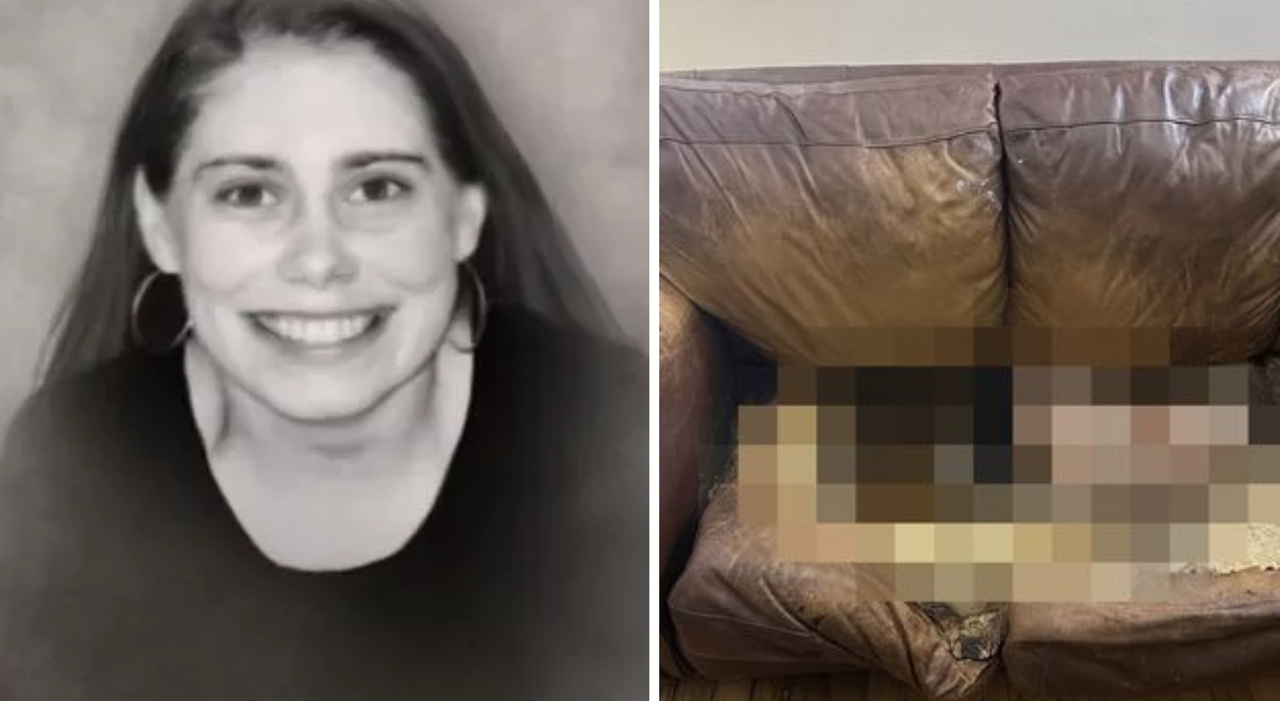
The Unseen Suffering of Lacey Ellen Fletcher
Introduction

The name Lacey Ellen Fletcher became synonymous with one of the most horrifying cases of severe neglect in modern American history. When authorities entered a home in Slaughter, Louisiana, in January 2022, they discovered a scene of unimaginable horror. What followed was a public reckoning that exposed the limits of community intervention, the complexities of severe mental health disorders, and the tragic reality of extreme isolation. Examining the unseen suffering of Lacey Ellen Fletcher reveals how a human being could literally fuse to a piece of furniture over years of neglect without immediate intervention from the outside world.
The Discovery in Slaughter, Louisiana
On January 3, 2022, emergency responders arrived at the home of Sheila and Clay Fletcher after receiving a 911 call. Inside the residence, they found their 36-year-old daughter, Lacey, unresponsive on a heavily soiled couch. The conditions of the room and Lacey's body shocked even seasoned law enforcement officers and paramedics.
Lacey weighed less than 100 pounds, suffered from severe ulcers that reached down to her bones, and had feces and urine encrusted over much of her body. Investigators later determined that she had been sitting on the same couch for upwards of 12 years. Her body had literally melted into the foam and fabric, creating a deep indentation that trapped her in a stationary, agonizing existence.
Understanding Severe Mental Illness and Lockdown
The Role of Locked-In Syndrome and Agoraphobia
To comprehend how such a tragedy could unfold over more than a decade, mental health experts and investigators examined the psychological dynamics within the Fletcher household. According to statements and defense arguments, Lacey suffered from severe social anxiety, phobias, and potentially a condition known as severe agoraphobia or a catatonic-like state. Rather than seeking professional psychiatric help, her parents attempted to manage her condition privately.
Video: BODY ON "LACEY FLETCHER" SOFA | #NERROR

Over time, Lacey's refusal or inability to leave the couch morphed from a behavioral issue into a permanent physical state. Her parents claimed that Lacey refused to go to a doctor or leave the room. Instead of forcing the issue or calling emergency services years prior, Sheila and Clay Fletcher chose a path of catastrophic enabling, bringing food and waste buckets to their daughter while hiding her existence from the rest of the world.
The Legal Fallout and Accountability
The public outcry was swift and immense following the release of the autopsy findings, which ruled Lacey’s death a homicide caused by severe medical neglect. The local coroner described the scene as the worst case of abuse he had ever witnessed in his career.
- Arrest and Charges: Sheila and Clay Fletcher were arrested and initially charged with second-degree murder.
- Plea Agreements: The case moved through the legal system with intense media scrutiny, culminating in reduced charges of manslaughter.
- Sentencing: In early 2024, a Louisiana judge sentenced both parents to 20 years in prison, with 10 years suspended, holding them directly accountable for the prolonged torture and ultimate death of their daughter.
Systemic and Community Failures
The tragedy raises uncomfortable questions about community safety nets and privacy laws. How can a member of a community vanish in plain sight for over a decade? Relatives, neighbors, and friends reported that they had not seen Lacey in years, yet no one pressed the issue or alerted authorities.
This aspect of the case highlights the invisible nature of abuse behind closed doors. While neighborhood welfare checks are common for pets or neglected properties, human adults retain a high degree of privacy rights in their homes, making it difficult for outsiders to detect private medical emergencies or severe captivity without a direct tip.
Lessons Learned from a Modern Tragedy
The unseen suffering of Lacey Ellen Fletcher serves as a grim reminder of the devastating intersection between mental illness, parental codependency, and extreme isolation. It underscores the vital need for mental health awareness, accessible psychiatric care, and community vigilance. Ultimately, Lacey's story remains a stark warning about the lethal dangers of hiding mental health struggles in the shadows instead of seeking professional, compassionate medical intervention.