The Untold Atrocities: Pablo Escobar’s Legacy of Crime
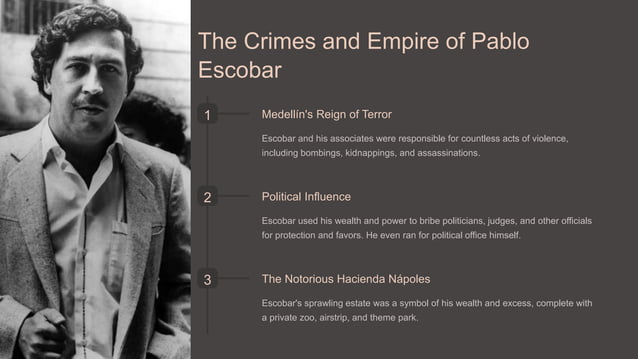
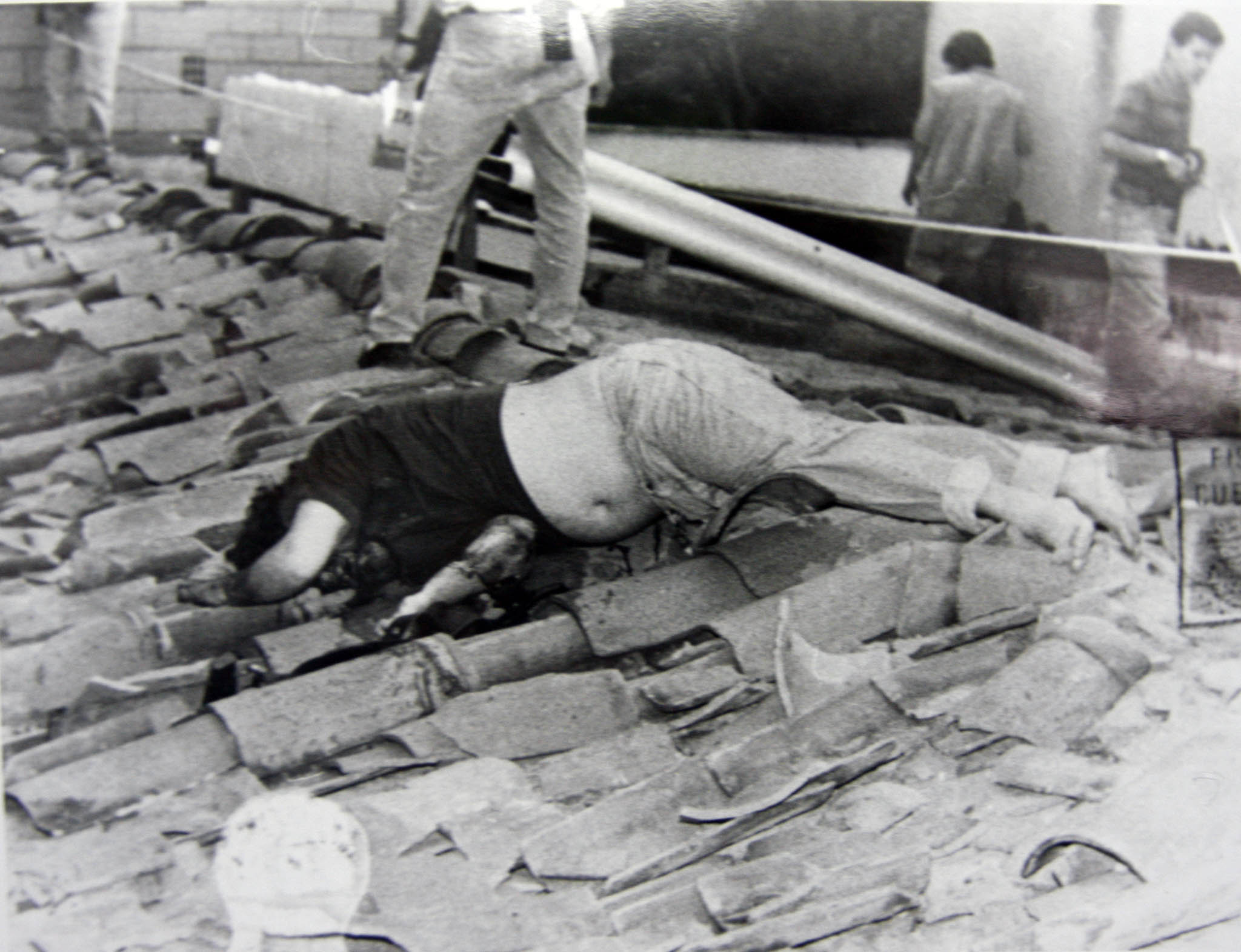
Decades after his death on a Medellín rooftop in 1993, Pablo Escobar remains a fixture of global pop culture. Documentaries, television series, and streaming hits have turned the head of the Medellín Cartel into an anti-hero of sorts—a cunning billionaire who outwitted governments and built exotic estates. However, this romanticized version of history obscures a much darker reality. Beneath the folklore lies the grim truth of The Untold Atrocities: Pablo Escobar’s Legacy of Crime, a campaign of domestic terrorism that devastated an entire nation and left scars that Colombia still carries today.

The Myth vs. The Reality of the Medellín Cartel
During the late 1970s and 1980s, Escobar supplied an estimated 80% of the cocaine smuggled into the United States. The astronomical profits—reaching billions of dollars—funded a private army, state-of-the-art weaponry, and deep political corruption.
While Escobar occasionally built housing projects and soccer fields for impoverished residents in Medellín—earning the moniker 'Robin Hood'—this philanthropy was a calculated strategy to buy loyalty and shield himself from law enforcement. The real price of his empire was paid in blood, targeting not just rival traffickers and police officers, but innocent civilians, journalists, and politicians.
State Terrorism and Mass Casualties
When the Colombian government, backed by U.S. intelligence, threatened to extradite cartel leaders to American prisons, Escobar declared total war on the state. He adopted a strategy of indiscriminate urban bombing that transformed everyday public spaces into war zones.
The Bombing Campaign
Escobar’s network pioneered tactics of car-bombing civilian targets to force political concessions. Some of the most devastating attacks included:
- Avianca Flight 203 (1989): A bomb planted aboard a commercial airliner intended to kill presidential candidate César Gaviria. The explosion killed all 107 people on board, including three American citizens. Gaviria had not boarded the flight.
- DAS Building Bombing (1989): A massive truck bomb detonated outside the headquarters of the Departamento Administrativo de Seguridad in Bogotá, killing at least 52 people and injuring hundreds of civilians.
- Calle 93 Bombing (1993): A car bomb filled with dynamite detonated in an affluent Bogotá shopping district, killing children and shoppers, demonstrating the cartel's reach even as its leader was cornered.
Targeting the Judiciary and Free Press
Escobar systematically dismantled Colombia’s democratic institutions through targeted assassinations. Judges, prosecutors, and investigators who dared to challenge the cartel were murdered in broad daylight. Furthermore, journalists who reported on the cartel's financial backing and violent methods were ruthlessly hunted down.
Video: Pablo Escobar's Untold Story - Escobar Exposed - S01 E01 - True Crime

Guillermo Cano Isaza, the editor of the prominent newspaper El Espectador, was gunned down outside his office in 1986 after exposing Escobar's criminal origins. The newspaper's facilities were later bombed in 1989, symbolizing the cartel’s absolute intolerance for truth and accountability.
Environmental and Social Destruction
The atrocities of the cocaine trade extended far beyond urban bombings. The cultivation, processing, and transportation of cocaine inflicted severe ecological damage on the Amazon rainforest and the Andes. Toxic chemicals such as kerosene, sulfuric acid, and acetone were dumped directly into rivers and soil, destroying local ecosystems and poisoning indigenous water supplies.
Socially, Escobar normalized corruption at every level of society. By demonstrating that wealth could override the rule of law, he fractured social trust and empowered paramilitary groups and guerrilla factions that prolonged Colombia's internal armed conflict for decades after his death.
The Lasting Legacy in Colombia
Today, the younger generations in Colombia and international tourists often view Escobar through the lens of revisionist media. Luxury tours of his former properties, such as Hacienda Nápoles, risk trivializing the trauma endured by millions.
However, the survivors and the families of his victims continue to advocate for historical accuracy. Memorials in Bogotá and Medellín serve as solemn reminders that Escobar was not a folk hero, but a mass murderer whose ambition destroyed the peace of a nation.
Conclusion
Understanding Pablo Escobar requires stripping away the cinematic gloss and confronting the full scope of his actions. By acknowledging the true human cost of the Medellín Cartel, we honor the victims of his terror and recognize the resilience of a society that ultimately refused to be broken by tyranny.