The Untold Gold of King Solomon: Wealth vs. Might
Introduction: The Golden Reign of Ancient Israel

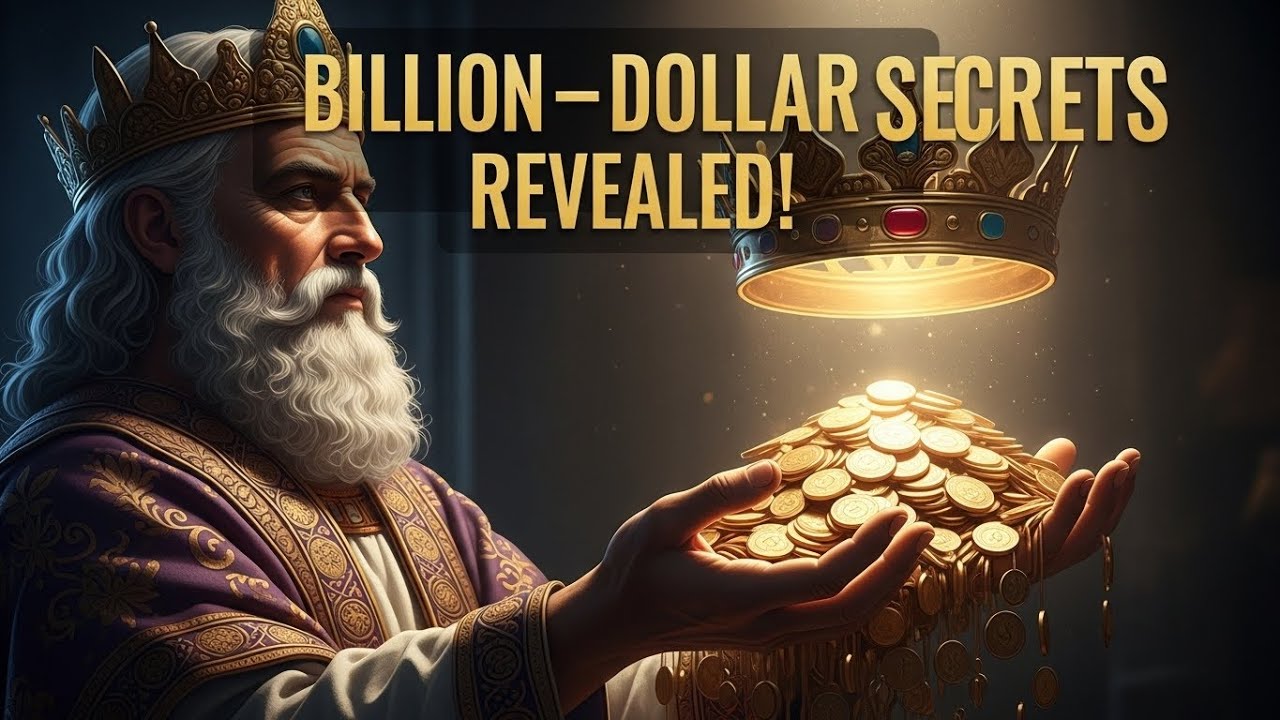
For millennia, the name King Solomon has been synonymous with unimaginable opulence, wisdom, and majesty. According to the Hebrew Bible and various ancient historical traditions, the third king of a united Israel presided over a golden age of unprecedented prosperity. At the center of this golden era stands the untold gold of King Solomon, a fortune so vast it has captured the imaginations of treasure hunters, historians, and theologians for centuries.
Yet, a compelling question remains at the heart of his reign: in a turbulent geopolitical landscape dominated by ruthless empires like Egypt and Assyria, was economic supremacy truly worth more than conventional military might? To answer this, we must examine how Solomon accumulated his legendary riches, how he leveraged that wealth for security, and whether gold could truly shield a kingdom from shifting tides of power.
The Scale of the Legend: Quantifying Solomon's Wealth
To understand the magnitude of Solomon's treasury, historians often look to the specific metrics provided in ancient texts. While these figures are viewed through the lens of ancient storytelling and hyperbole, they consistently paint a picture of unrivaled economic dominance.
Annual Revenues and Precious Metals
According to the First Book of Kings, the weight of gold that came to Solomon in one year was six hundred and sixty-six talents. In modern measurements, this amounts to roughly 25 metric tons of pure gold annually. At today’s market values, this yearly influx alone would be worth well over one billion dollars in raw metal, not accounting for inflation, historical rarity, or craftsmanship.
Furthermore, the text notes that silver was considered of little account in the days of Solomon because the king made gold as common in Jerusalem as stones. While likely an artistic exaggeration to emphasize his prosperity, archaeological discoveries in the Levant confirm that trade networks during the 10th century BCE brought immense quantities of luxury goods—including ivory, apes, peacocks, and spices—into the region.
Sources of the Royal Treasury
Solomon’s wealth did not appear by magic; it was the result of astute geopolitical strategy and commercial enterprise:
- Control of Trade Routes: Solomon controlled crucial overland trade paths, including the Incense Route, taxing merchants moving goods from Arabia to the Mediterranean.
- Maritime Ventures: In partnership with Hiram, King of Tyre, Solomon built a fleet of ships at Ezion-Geber that sailed to the mysterious land of Ophir, returning every three years laden with gold.
- Tribute and Taxation: Conquered and vassal territories paid heavy annual tributes in precious metals, livestock, and manufactured goods.
Military Might in the 10th Century BCE
In the ancient Near East, survival typically depended on the edge of a sword and the strength of a chariot wheel. Neighbors like Egypt, the Aramaeans, and the rising Neo-Assyrian Empire maintained massive, professional standing armies.
Solomon, however, took a different approach to national defense. Rather than engaging in aggressive foreign conquests, he focused on internal fortification and technological deterrence. The biblical narrative notes that he gathered 1,400 chariots and 12,000 horsemen, stationing them in designated chariot cities and in Jerusalem. For an era transitioning from bronze to iron weaponry, maintaining a mechanized chariot force required immense capital.
Video: The UnXplained: King Solomon's LOST Treasures of Gold & Copper (Season 6) | History

The Untold Gold of King Solomon: Was His Wealth Worth More Than Military Might?
When evaluating whether the untold gold of King Solomon was worth more than military might, one must look at how he used his treasure. Solomon did not hoard his gold in dark vaults; he weaponized it economically and diplomatically.
Instead of fighting costly, devastating wars, Solomon bought peace. He forged strategic marriage alliances—most famously with a daughter of the Pharaoh of Egypt—and maintained friendly commercial pacts with surrounding kingdoms. His vast wealth allowed him to project soft power, impressing foreign dignitaries like the Queen of Sheba so thoroughly that they left without any desire to wage war.
However, an economy built on luxury and monumental building projects—such as the construction of the First Temple and his own lavish palace over a thirteen-year period—came with severe hidden costs. The heavy taxation and conscripted labor required to sustain this lifestyle created deep internal resentment.
The Strategic Vulnerability of Riches
While gold could buy alliances and build impenetrable walls, it also acted as a giant beacon to predators. Wealth without a deeply entrenched, aggressive military posture can invite aggression once the treasury begins to wane or leadership falters.
This dynamic played out shortly after Solomon’s death around 931 BCE. The kingdom fractured into two weaker entities: Israel in the north and Judah in the south. Within a few years of Solomon's passing, Pharaoh Shishak of Egypt invaded Jerusalem and looted the very temple and palace treasuries that Solomon had spent a lifetime accumulating. In this historical moment, the gold failed to defend itself, proving that movable wealth is only as secure as the soldiers guarding it.
Lessons from History: Wealth vs. Security
Solomon’s reign offers a timeless case study in statecraft. His strategy demonstrates that economic prosperity can achieve what brute force cannot: cultural flowering, technological innovation, and stable international trade.
Ultimately, wealth and military might are not mutually exclusive; they are symbiotic. Solomon used his gold to build a formidable deterrent force of chariots and fortified cities. Yet, the imbalance between his immense luxury and the underlying military readiness of his populace left his kingdom vulnerable to internal fracture and external greed.
Conclusion
The untold gold of King Solomon remains one of history's most fascinating subjects, blending archaeology, theology, and economics. Was his wealth worth more than military might? In terms of lasting cultural legacy, architectural achievement, and regional influence, Solomon's economic empire certainly elevated Israel to a height it never reached again.
Yet, history ultimately delivered a sobering verdict: while gold can build an empire, it takes enduring military strength, social cohesion, and wise governance to keep it. Solomon’s glittering legacy reminds us that true national security requires a delicate balance between a thriving treasury and the defensive power to protect it.