The Untold Story of Nas’s Net Worth
When people talk about hip-hop billionaires and multi-millionaires, names like Jay-Z and Dr. Dre usually dominate the conversation. However, tucked quietly behind the headlines is one of the most brilliant, calculated financial runs in modern entertainment history. To truly understand the untold story of Nas’s net worth, you have to look past the album sales, the Grammy awards, and the platinum plaques. Nasir Jones is not just a legendary Queensbridge lyricist; he is a shrewd Silicon Valley venture capitalist who saw the future of technology long before his peers.
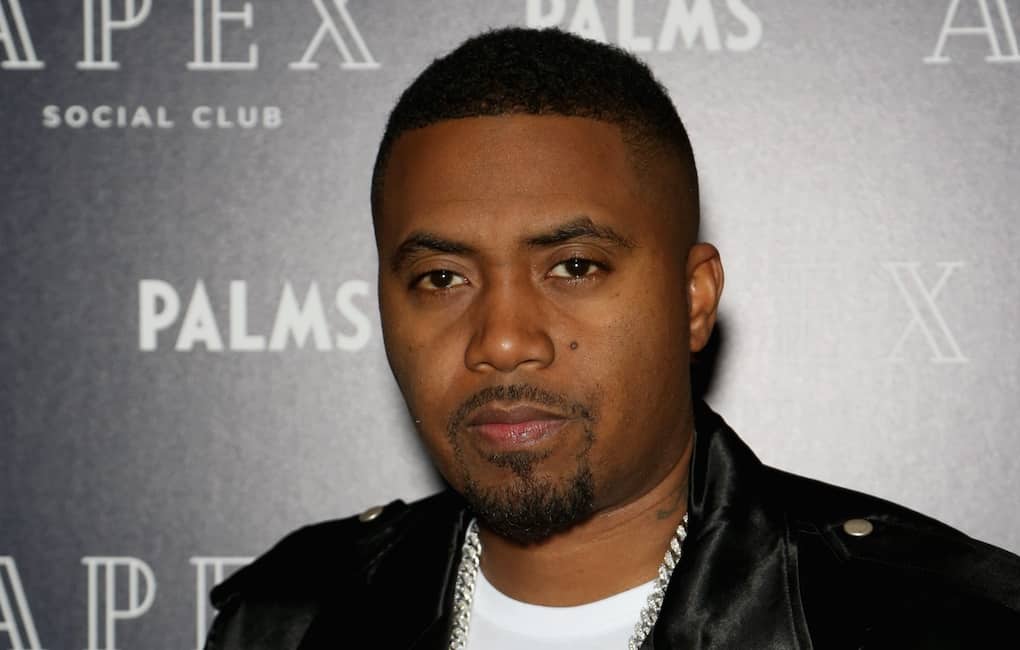
For decades, public perception pegged Nas as a tortured, hyper-literate poet whose financial life mirrored the volatility of the 1990s and 2000s music industry. Early tax troubles and a high-profile divorce painted a picture of a struggling artist. Yet, beneath the surface, a quiet transformation was taking place. By shifting his focus from traditional music royalties to early-stage tech startups, Nas built a portfolio that changed his financial trajectory forever.
The Untold Story of Nas’s Net Worth
Most mainstream financial outlets estimate Nas’s net worth to be somewhere between $70 million and $100 million. While this is an impressive sum, static net worth figures fail to capture the actual mechanics of his wealth. Unlike traditional artists who rely heavily on touring and merch, Nas operates much like a private equity fund manager. His wealth is deeply tied to illiquid assets, private company valuations, and strategic partnerships that compound quietly out of the public eye.
The turning point in his financial journey began in 2013 when he co-founded QueensBridge Venture Partners alongside his manager, Anthony Saleh. Named after the public housing project where Nas was raised, the firm set out to invest in seed and early-stage technology companies. This move separated him from the typical celebrity endorsement model. Instead of taking a quick paycheck to promote a product, Nas became an equity owner, putting his capital—and his cultural influence—on the line.
Early Tech Bets That Paid Off Massive Dividends
The brilliance of QueensBridge Venture Partners lies in its diverse portfolio of consumer tech, financial services, and media startups. While many celebrity-backed funds chase fleeting trends, Nas and his partners targeted foundational technologies that changed daily life.
- Ring: Long before Amazon acquired the video doorbell company for over $1 billion in 2018, Nas was an early investor. This single exit provided a staggering return on investment.
- Coinbase: Nas recognized the potential of cryptocurrency early on. QueensBridge participated in an early funding round for Coinbase, which later went public in a historic multi-billion dollar direct listing.
- Dropbox: By getting in early on the cloud storage giant, the firm secured a stake in a company that became essential infrastructure for modern remote work.
- Genius: Bridging his love for lyrics with digital media, Nas invested in the annotation platform Genius, aligning his tech portfolio directly with his core art form.
These weren't lucky guesses; they were part of a deliberate strategy to invest in companies that solve real-world friction. By placing dozens of small bets on high-growth startups, the fund insulated itself against individual losses while positioning for outlier wins.
Overcoming Financial Roadblocks
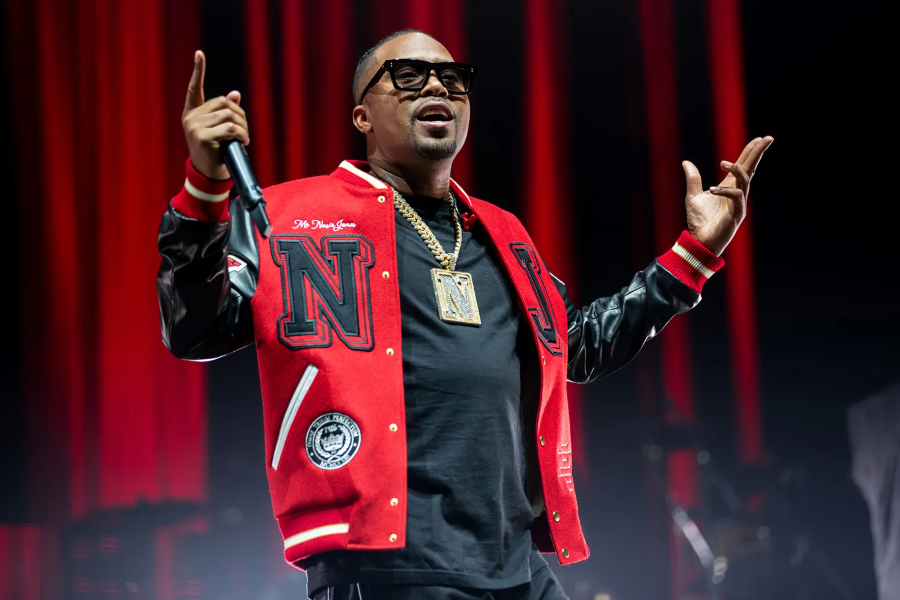
It is impossible to appreciate Nas’s current financial standing without acknowledging the hurdles he faced along the way. In the late 2000s, media outlets feasted on reports of massive tax liens filed against the rapper by the IRS. A messy divorce from singer Kelis resulted in substantial spousal and child support obligations, forcing a heavy liquidity crunch.
Many artists in similar positions spiral into bankruptcy or sign away their catalog rights for quick cash. Nas took a different route. He leaned into his work ethic, releasing critically acclaimed albums like Life Is Good, booking grueling international tours, and simultaneously laying the groundwork for his venture capital career. He used his financial wake-up call as fuel to restructure his business management team and educate himself on asset protection and investing.
Beyond Music: The Modern Mogul Playbook
Today, Nas’s income streams are remarkably diversified. While streaming payouts from classic records like Illmatic provide a steady baseline, his business ventures generate wealth on an entirely different scale.
He understands that cultural relevance is a currency. By aligning with brands and building independent labels like Mass Appeal Records, Nas has maintained creative control while capturing the lion's share of his profits. Mass Appeal has evolved into a multimedia company encompassing publishing, film production, and digital content, ensuring that his brand remains profitable across multiple mediums.
Lessons from the Queensbridge Icon
The financial evolution of Nasir Jones offers a blueprint for modern artists, entrepreneurs, and everyday investors alike. His journey highlights several vital principles:
- Embrace continuous education: Financial literacy is not innate; it must be studied and applied. Nas evolved from a teenager spitting rhymes in Queens to a boardroom-ready investor by surrounding himself with sharp minds and learning the language of venture capital.
- Diversify beyond your primary craft: Relying on a single source of income—even if you are at the top of your field—leaves you vulnerable to market shifts.
- Play the long game: Early-stage investing requires patience. The massive payouts from companies like Ring and Coinbase took years to materialize.
When we look at the complete picture, the narrative shifts entirely. The untold story of Nas’s net worth isn't just about how many millions he has accumulated; it is about a masterclass in reinvention. By taking the lessons learned from the hard realities of the music business and applying them to the digital economy, Nas secured a financial legacy that will echo far longer than any final album fade-out.