The Untold Story of Pee Wee Paul Reubens: Fame
Few characters in television history achieved the instantaneous, bizarre, and lasting cultural footprint of Pee-wee Herman. Created by actor and comedian Paul Reubens, the eccentric man-child in the gray suit, red bow tie, and white loafers became a household name in the 1980s. However, the untold story of Pee Wee Paul Reubens: fame goes far deeper than Saturday morning television ratings. It is a tale of avant-garde theater, meticulous artistic control, the heavy burden of a defining persona, and the rollercoaster ride of American celebrity.
From Groundlings to the Playhouse
Before Pee-wee Herman ever stepped onto a television set, he was a figment of Paul Reubens' imagination developed during his time with the legendary Los Angeles-based improvisational comedy troupe, The Groundlings, in the late 1970s. Reubens had auditioned for Saturday Night Live and was passed over, a rejection that stung deeply but ultimately redirected his career path. Instead of folding, he doubled down on a character he had been tinkering with.
Pee-wee Herman was originally conceived as a stand-up comedy act—an obnoxious, wannabe comedian who wore a too-tight suit and told terrible jokes, often reading from a crinkled piece of paper. Reubens performed this act in smoky comedy clubs, slowly refining the voice, mannerisms, and physical comedy. By 1981, he transformed the live act into The Pee-wee Herman Show at the Groundlings Theatre. The stage show was an adult-oriented, subversive parody of 1950s children's television programming, featuring puppets, magic lamps, and surreal humor.
The Meteoric Rise of Pee-wee's Playhouse
The stage show became a massive underground hit in Los Angeles, running for months to packed houses that included celebrities and film directors. This caught the eye of Hollywood, leading to the 1985 feature film Pee-wee's Big Adventure, directed by a then-unknown Tim Perkins (Tim Burton). The movie was a critical and commercial success, proving that Reubens' unique brand of whimsical, nostalgic comedy had mainstream appeal.
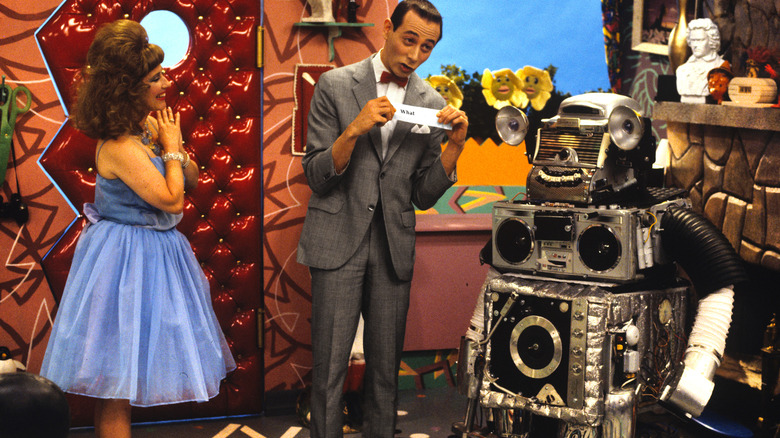
Following the film's success, CBS approached Reubens about creating a Saturday morning children's show. The result was Pee-wee's Playhouse, which premiered in 1986. The show was a sensory masterpiece:
- Set design that blended 1950s kitsch with vibrant pop-art colors.
- A lovable cast of talking furniture, including Chairry, Conky the Robot, and Globey.
- An eclectic supporting cast that launched or boosted careers, including Laurence Fishburne, Natasha Lyonne, and Phil Hartman.
- A secret word of the day that engaged millions of children nationwide every single week.
During the late 1980s, Pee-wee Herman was everywhere. He was on the cover of magazines, hosting the MTV Video Music Awards, and selling millions of pieces of merchandise. Reubens had achieved the absolute peak of American fame.
Maintaining the Illusion: The Cost of Total Secrecy
Video: How "Pee-wee Herman" Paul Reubens Lost Everything In One Night

One of the most fascinating, yet exhausting, aspects of Reubens' career was his dedication to preserving the illusion of Pee-wee Herman. For years, Reubens maintained a strict boundary between his personal life and his public persona. In interviews, he would frequently blur the lines, speaking about Pee-wee as if he were a real person, or answering questions in character.
This commitment was deliberate. Reubens realized that part of the magic of Pee-wee Herman was his timeless, ageless, and slightly uncanny nature. If audiences saw too much of Paul Reubens the private individual, the suspension of disbelief might shatter. However, this level of secrecy created a gilded cage. Reubens was effectively trapped inside a tight suit, unable to easily pivot to traditional dramatic or comedic acting roles without alienating the massive audience that viewed him strictly as a Saturday morning fixture.
The Paradigm Shift of 1991
The untamed nature of sudden fame meant that a fall from grace could be just as swift as the ascent. In July 1991, Reubens was arrested in his hometown of Sarasota, Florida, for indecent exposure at an adult movie theater. The arrest triggered a media firestorm. Overnight, the whimsical children's icon became the punchline of late-night talk shows, and corporate America distanced itself immediately.
CBS pulled reruns of Pee-wee's Playhouse, toy manufacturers canceled his merchandise lines, and even his hometown removed his name from a local landmark. The swiftness with which the entertainment industry abandoned him highlighted the fragile, transactional nature of celebrity in the television era. Yet, looking back through a modern lens, cultural critics have frequently re-examined the incident as a disproportionate moral panic that unfairly targeted a brilliant artist.
Resurgence, Legacy, and Cultural Vindication
Despite the severe setback in the early 1990s, Paul Reubens slowly and strategically rebuilt his career. He took on character acting roles—often utilizing makeup and prosthetics to keep audiences guessing—appearing in films like Batman Returns, Blow, and Mystery Men, as well as television shows like Buffy the Vampire Slayer and 30 Rock.
As the generations who grew up watching Pee-wee's Playhouse entered adulthood, public sentiment shifted from judgment to deep nostalgia and respect. Reubens embraced his legacy, bringing back the live stage show to packed theaters in 2010 and starring in the Netflix original film Pee-wee's Big Holiday in 2016.
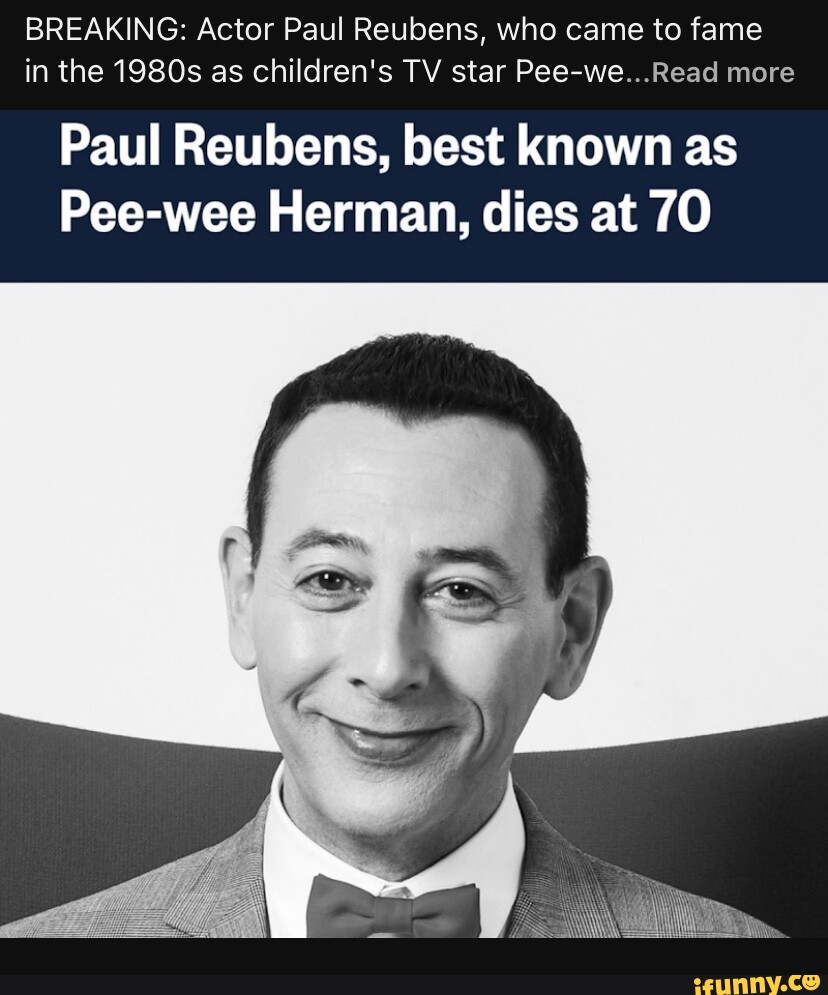
When Paul Reubens passed away in 2023 after a private battle with cancer, the outpouring of grief from fans and fellow artists confirmed his enduring status. He had kept his illness a secret, much like he once guarded the boundaries of his famous character. Ultimately, the story of Paul Reubens and his alter ego is a testament to the power of pure imagination, the intoxicating weight of fame, and an artist's remarkable resilience in the face of shifting cultural tides.