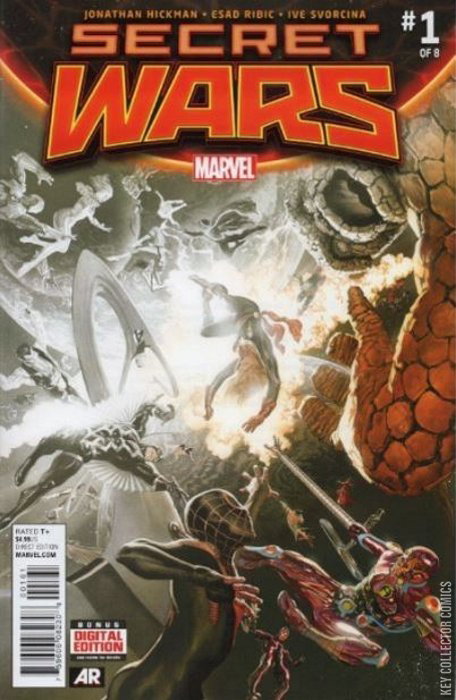
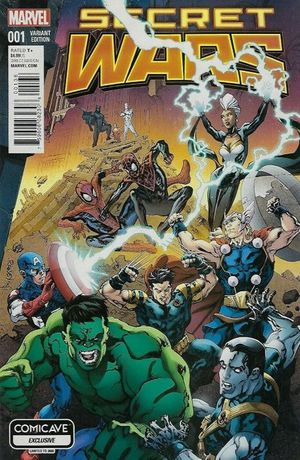
The Untold Value of Secret Wars 1 – Why This Feature Changed Everything Forever!
When Marvel Comics published May 1984's Secret Wars #1, most industry insiders viewed it as little more than an expensive, multi-issue commercial. Commissioned primarily by toy giant Mattel so they could launch a new line of action figures, the series faced immediate skepticism from creators and fans alike. Yet, against all odds, **The Untold Value of Secret Wars 1 – Why This Feature Changed Everything Forever!** extends far beyond its humble origins as plastic-peddling propaganda.

This single issue did not just sell millions of toys; it completely rewired how the comic book industry manufactured storytelling, event marketing, and collector culture. Decades later, understanding the true weight of this book reveals why collectors still hunt for pristine copies in long boxes worldwide.
The Toy Industry Mandate That Sparked a Revolution
To understand the magnitude of Secret Wars #1, you have to look at the business landscape of the early 1980s. Mattel approached Marvel with a brilliant concept: a massive crossover featuring every major hero and villain in the Marvel Universe duking it out on a distant alien world called Battleworld. Mattel needed a storyline to justify a diverse toy assortment, complete with interchangeable weapons and futuristic vehicles.
Marvel Editor-in-Chief Jim Shooter took the assignment seriously. Rather than phoning in a generic battle script, Shooter crafted a universal hook. A mysterious, god-like entity known as the Beyonder plucked Earth's finest champions and most dangerous criminals, teleporting them across the cosmos with a simple promise: "Slay your enemies and all that you desire shall be yours. Such is my will."
This high-concept premise bypassed standard continuity roadblocks. It allowed creators to throw Spider-Man, the X-Men, the Avengers, and the Fantastic Four into the same narrative pressure cooker without worrying about monthly subplots back on Earth.
How Secret Wars #1 Invented the Modern Crossover Event
Before 1984, comic book crossovers were largely confined to annual team-up issues, summer specials, or self-contained publisher wars like DC's Superman vs. The Amazing Spider-Man. Secret Wars #1 changed the publishing paradigm by introducing the linewide event.
- Interconnected Storylines: Readers were encouraged to buy multiple titles to follow characters whose status quos shifted dramatically on Battleworld.
- Event Fatigue Precursor: It proved that fans would eagerly line up for serialized, high-stakes epics that crossed title boundaries.
- Cinematic Blueprint: Decades before the Marvel Cinematic Universe mapped out interconnected phases, Secret Wars proved that shared continuity built unmatched consumer excitement.
By framing the narrative as a definitive battle of good versus evil orchestrated by an omnipotent observer, the book established a formula that DC and Marvel would replicate every single summer for the next forty years.
The Silent Status Quo Shakers Hidden Inside the Issue
Video: How SECRET WARS (1984) Changed Marvel Forever
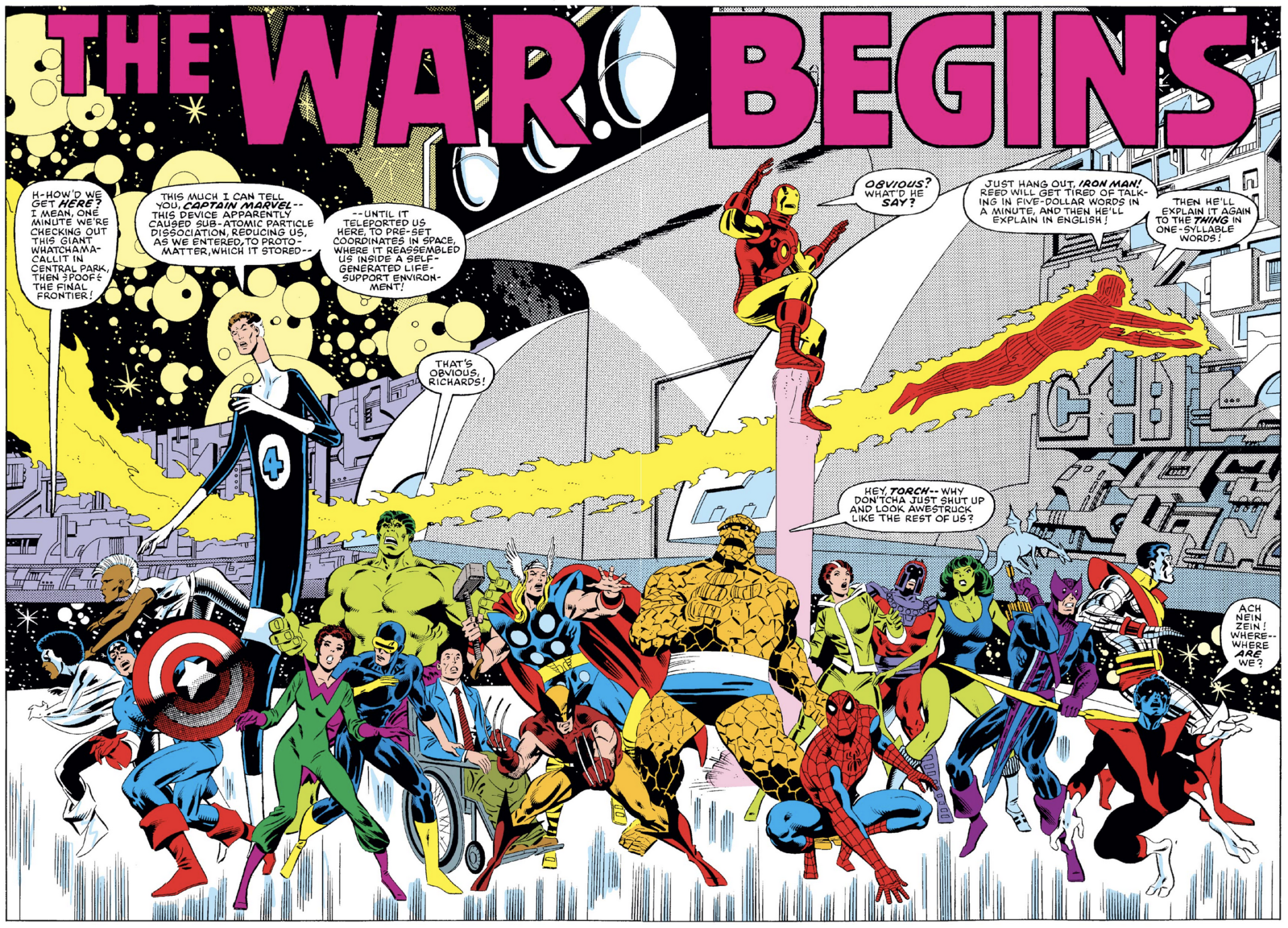
While the broader cultural memory focuses on characters arriving at Battleworld, the individual contributions within the pages of Secret Wars #1 permanently altered several major franchises.
Spider-Man’s Symbiote Origins
Most famously, issue #8 gets the credit for introducing the alien costume that eventually became Venom. However, the groundwork and tension leading up to Peter Parker’s wardrobe malfunction are rooted firmly in the pacing of the early issues. The sheer novelty of heroes interacting outside their native environments created psychological friction that fueled character development for years.
The Mutant Civil War
The inclusion of the X-Men introduced a fresh dynamic. Magneto was technically positioned as an ally to the heroes, while the Avengers viewed him strictly as a global terrorist. This ideological wedge highlighted the deep mistrust between baseline humanity, mutants, and traditional superheroes, foreshadowing editorial directions that Marvel would explore throughout the late '80s and '90s.
Collecting Value: Why Issue #1 Remains a Holy Grail
From a financial and speculative standpoint, the value of Secret Wars #1 has experienced a fascinating trajectory. Printed during the direct-market boom of the 1980s, millions of copies flooded comic shops. For a long time, high-grade copies were relatively affordable.
However, modern appreciation for historical milestones has shifted the market. Key factors driving up the book's value today include:
- Nostalgia Boom: Generation X and millennial collectors now have disposable income and are aggressively buying back the comics of their youth.
- MCU Rumors: With Marvel Studios constantly adapting classic comic storylines for the big screen, speculation surrounding future cinematic adaptations of Secret Wars keeps issue #1 in high demand.
- AI and slab grading standards mean that finding a pristine, newsstand or direct-edition copy graded 9.8 by CGC or CBCS is increasingly difficult, as many copies were read heavily by kids and tossed into toy boxes.
The Enduring Legacy of Battleworld
Ultimately, Secret Wars #1 proved that commercial necessity and artistic ambition do not have to be mutually exclusive. What started as a boardroom pitch to sell plastic action figures blossomed into a masterclass in event comic structuring. It taught publishers how to capture the collective imagination of a global audience, proving that when you put all your heavy hitters on the same page, the resulting impact can echo through pop culture for generations to come.