The Up Series Cast: Where Are They Now?
Understanding the Groundbreaking Up Series Cast

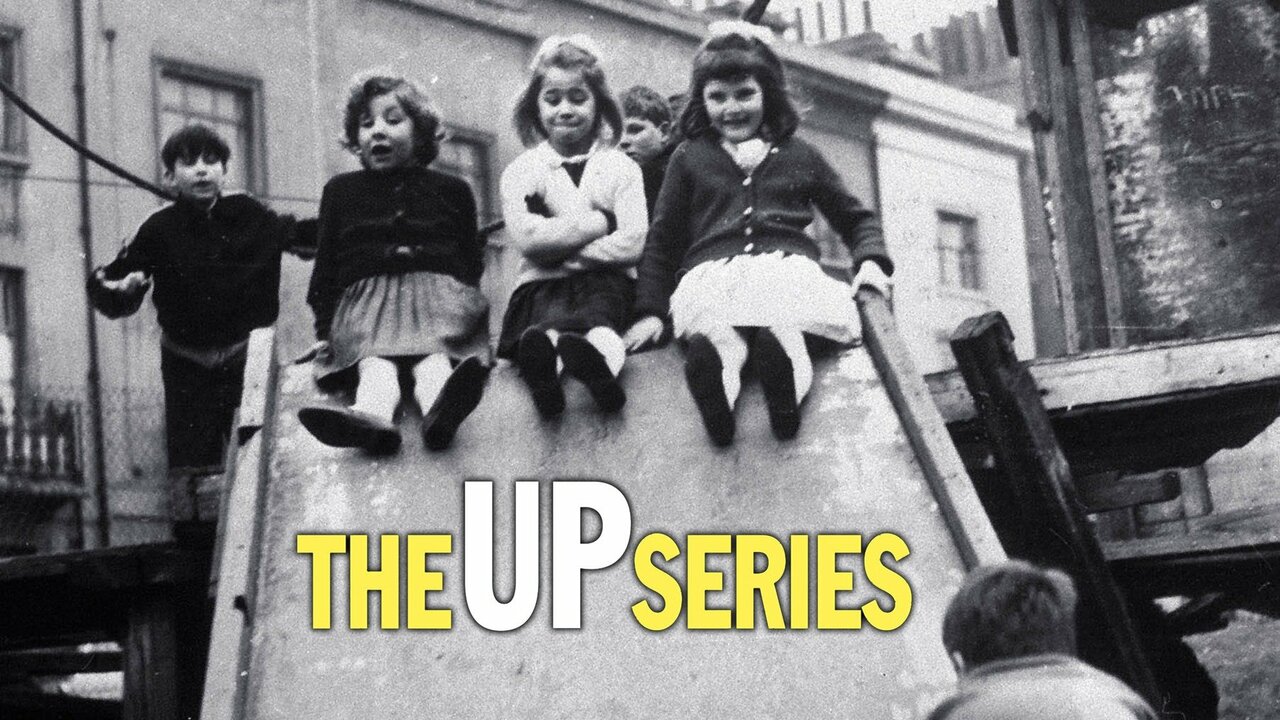
Few cinematic experiments match the scope and ambition of Britain's Up series. Beginning in 1964 with 7 Up, director Paul Almond and researcher Michael Apted (who took over directing duties for every subsequent installment) set out to test the Jesuit adage, "Give me the child until he is seven and I will give you the man." They gathered a diverse group of seven-year-old children from across England, representing various social classes, economic backgrounds, and walks of life.
Every seven years, the production team reconvened to check in on the up series cast, capturing their triumphs, struggles, career shifts, and personal growth. Now spanning over half a century up to 63 Up (2019), the project has become a monumental sociological study and a deeply moving portrait of human life. Below is a look at the enduring legacy of the participants who allowed the world to watch them age in real time.
Key Participants and Their Journeys
The brilliance of the Up series lies in its wide cross-section of British society. While some participants dropped out for various periods, many stayed the course for decades, creating complex, multi-layered life stories.
Tony Walker
One of the most charismatic members of the cast, Tony entered the project as an East End London boy with ambitions of becoming a jockey. While a career as a professional jockey didn't pan out, Tony eventually found success as a London cab driver and later ran a hotel in Spain. His warmth, candidness, and enduring marriage made him a fan favorite throughout the decades.
Bruce Balden
Attending boarding school at age seven, Bruce began the series as an idealistic and sensitive child. He pursued a degree at Oxford and dedicated much of his adult life to teaching, including working in underprivileged schools in London and spending time teaching mathematics in the Himalayas. Bruce's thoughtful reflections on morality and duty provided a steady philosophical anchor for many episodes.
Sue Davis, Lynn Johnson, and Jackie Bassett
The girls of the Up group offer a fascinating look at the changing expectations of women in the late 20th century. Featured together in the early installments as working-class Londoners, their lives diverged in different ways. Sue balanced single motherhood with a career at the University of London; Lynn worked as a children's librarian and mobile library driver (tragically passing away shortly after the release of 63 Up); and Jackie navigated various jobs while speaking candidly about government support, disability, and the realities of aging.

Neil Hughes
Neil's journey is perhaps the most emotionally complex in the entire project. At seven, he was a bright, energetic boy from Liverpool. By 21 Up and 28 Up, Neil had dropped out of university and was experiencing severe mental health struggles, living a transient life across the UK. Thanks in part to intervention and friendship from fellow participant Bruce, Neil eventually stabilized, found housing in Cumbria, and even served as a local Liberal Democrat councillor.
Nick Kitchener
Growing up on a remote Yorkshire farm, Nick was a precocious child with a deep curiosity about science. He moved to the United States to pursue a doctorate in physics, eventually becoming a professor at the University of Wisconsin-Madison. Nick's trajectory highlights the classic British social mobility narrative explored by the documentary.
The Upper-Class Perspectives
To provide a stark contrast to working-class and middle-class participants, the filmmakers included several children from privileged backgrounds, most notably John Brisby, Andrew Brackfield, and Charles Furneaux. Educated at elite institutions like Eton and Oxford, they followed traditional paths into law, diplomacy, and media. Over the years, their interactions with Apted's probing questions offered rare insights into the self-perpetuating nature of the British establishment.
Dropouts and Returnees
Maintaining a longitudinal study over 50-plus years comes with natural attrition. A few members of the original cast chose to step away:
- Peter Davies: Originally dropped out after 28 Up following harsh media criticism over his political views, but returned triumphantly in 56 Up to promote his folk music group.
- Charles Furneaux: Opted out of appearing on camera after early adult episodes, though he remained connected to the production behind the scenes.
- Symon and Paul: Representing the only Black children in the original 1964 cohort, both grew up in children's homes. Paul emigrated to Australia and participated intermittently, while Symon remained a consistent presence, working in race relations and foster care.
The Legacy of Michael Apted's Masterpiece
Michael Apted passed away in 2021, leaving behind a cinematic landmark that fundamentally changed documentary filmmaking. The Up series cast did not merely act as subjects; they became co-creators of a living archive. Through divorces, career changes, bereavement, and the quiet dignity of everyday life, they proved that ordinary lives, when examined over time, contain extraordinary depth.