The Very Word That Sparked the Leak—Inside the Fan Sketch Storm
In the digital age, keeping a multi-million-dollar entertainment asset under wraps is nearly impossible. Studios enforce ironclad non-disclosure agreements, restrict server access, and deploy watermarked builds to safeguard intellectual property. Yet, despite these digital fortress walls, one of the most chaotic information breaches in recent fandom history didn't start with a stolen file, a compromised cloud server, or a rogue thumb drive. It began with a single, cryptic text clue. Examining The Very Word That Sparked the Leak—Inside the Fan Sketch Storm reveals a fascinating case study in how collective community intelligence, speculative illustration, and digital forensics can completely bypass modern corporate secrecy.

The Anatomy of the Cryptic Descriptor
To understand how an entire character reveal collapsed into public view, one must first understand how insider sources operate today. With major gaming publishers and film studios monitoring automated watermarks and metadata trails, leakers rarely post raw high-resolution screenshots. Doing so invites swift legal retribution and immediate termination.
Instead, leakers rely on secondary and tertiary channels. They describe assets in deliberately vague prose across Discord channels, Reddit threads, or private forums. In this particular instance, an insider chose not to describe an entire costume or weapon set. They dropped a single, unusually specific word—a distinct stylistic descriptor that pointed toward a historical motif previously thought abandoned by the franchise.
The descriptor acted like a spark in dry brush. Within minutes, data sleuths cross-referenced the term against historical development documents, archived interviews, and trademark filings, confirming that the term carried weight. The leak was no longer merely a rumor; it was a blueprint waiting to be rendered.
The Very Word That Sparked the Leak—Inside the Fan Sketch Storm
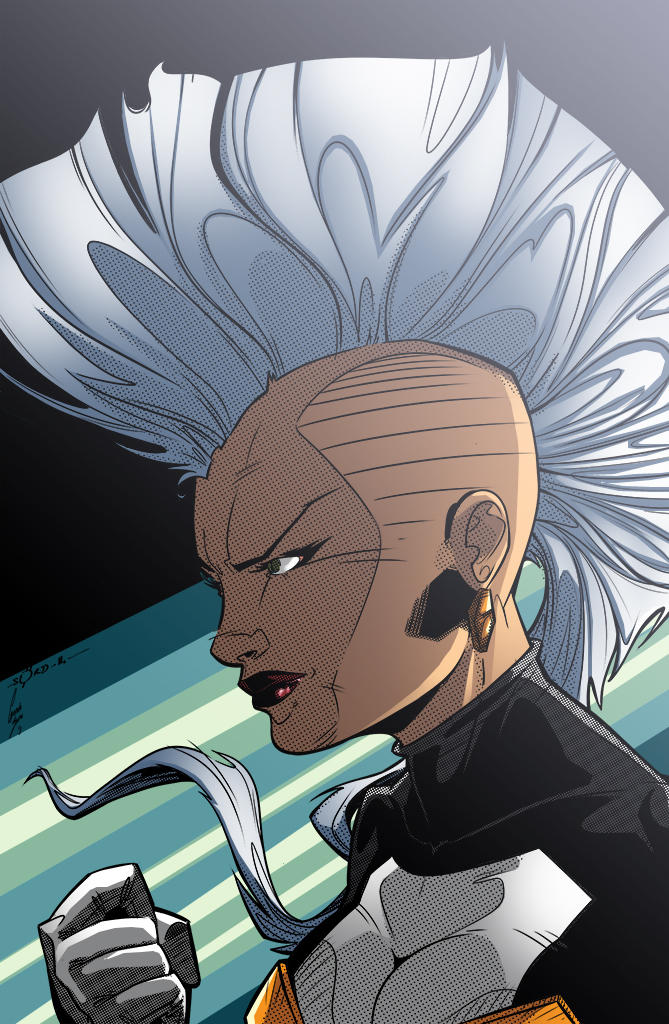
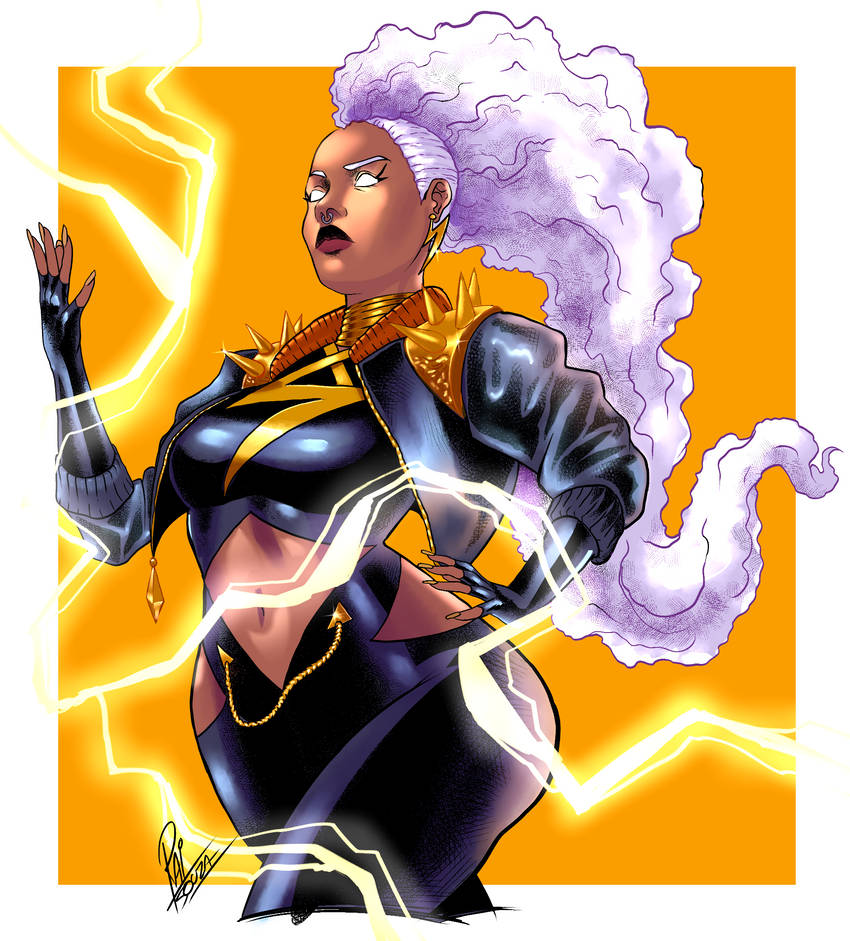
What followed was a masterclass in decentralized artistic collaboration. Rather than waiting for official marketing campaigns, digital illustrators inside the fandom took the single word and began to visualize what it represented. What started as speculative concept art transformed into a phenomenon known across social platforms as the "fan sketch storm."
The progression moved through three distinct phases:
- The Initial Speculative Drafts: Artists produced dozens of rough variations based strictly on the single descriptive word, blending it with established franchise lore.
- The Insider Feedback Loop: The leaker, lurking anonymously within the comments, offered subtle corrections: "warmer," "wrong silhouette," or "the shoulder armor is almost spot on."
- Iterative Convergence: Armed with direct feedback, several top-tier community artists synthesized the critiques, refining their sketches until one specific rendering emerged that captured the unreleased design with startling, near-photographic accuracy.
By the time the final illustration went viral, the community had reverse-engineered an unreleased character design without ever seeing a single frame of official visual media. The line between fan fiction and leaked intellectual property had vanished entirely.
The Streisand Effect and the Legal Impasse
The storm reached critical mass when the studio made a fatal public relations error: they stepped in with legal notices. Normally, copyright holders ignore fan art. Community drawings fall under transformative fair use or, at worst, harmless creative engagement. However, because this specific sketch hit within a hair's breadth of the studio's actual marketing renders, panic set in.
Video: They Stole My Supreme Bone—16 Years Later, My System Finally Logged In

Automated Digital Millennium Copyright Act (DMCA) notices were fired off against Twitter accounts and forum posts hosting the sketch. But copyright law presents a unique paradox when applied to speculative sketches:
- Admission by Action: By claiming copyright infringement on a fan-made drawing, the studio inadvertently verified that the sketch depicted their actual, unreleased property.
- The Legal Blindspot: An artist cannot easily be sued for copyright infringement over an image they drew themselves using their own tools, based entirely on a one-word text rumor.
- Viral Explosion: The takedown notices triggered the classic Streisand Effect. What was once confined to niche fandom subreddits became front-page news across major gaming and entertainment outlets.
Why Text-Driven Leaks Defeat Algorithmic Security
Modern studio security relies heavily on digital rights management (DRM), cryptographic tracking, and reverse image search algorithms. If a staff member uploads an unauthorized video to YouTube, content ID matches it in seconds. If a screenshot surfaces on Reddit, digital watermarking reveals precisely which employee workstation rendered the frame.
The fan sketch pipeline completely circumvents this surveillance infrastructure. A text descriptor contains no visual telemetry, no embedded alpha-channel tags, and no EXIF metadata. When community illustrators use their own styluses, tablets, and software to build the image from scratch, the resulting file is legally and digitally clean. It is an entirely original file that happens to expose a million-dollar corporate secret.
Psychological Fallout: Creator Frustration vs. Community Hype
While the fan community celebrated the forensic victory of piecing together the puzzle, the incident left internal creative teams demoralized. Developers and visual artists spend years carefully orchestrating reveal trailers, timing narrative beats, and polishing lighting passes so their work can debut in the best possible context.
Having a character or plot twist introduced to millions through a jagged, monochromatic pencil sketch or a quickly colored digital portrait strips creators of that narrative agency. The initial impact of a multi-year project is reduced to a social media debate over whether the leaked design "looks good or bad," judged solely on the basis of a community rendering rather than the final, polished product.
Key Takeaways for Modern Information Security
The aftermath of the fan sketch storm has forced entertainment corporations and creative agencies to fundamentally rethink how they handle leaks. The old playbook of issuing heavy-handed takedown notices is no longer viable in an era of rapid iterative art.
Studios navigating this landscape must adapt in three critical ways:
- Pivot, Don't Suppress: When an iterative fan sketch hits the mark, attempting to erase it only amplifies the leak. Forward-thinking studios lean into the moment, accelerating official trailers or humorously acknowledging the accuracy of the fans' detective work.
- Compartmentalize Descriptors: Security protocols must focus on verbal and written terminology as aggressively as visual assets. Using generic, non-descriptive codenames internally prevents distinctive terminology from reaching the public.
- Respect the Power of the Crowd: Never underestimate the analytical power of thousands of passionate artists working in concert. Given just a single thread to pull, an online fandom can and will unravel the entire tapestry.
The incident proves that in today's hyper-connected entertainment ecosystem, secrets are no longer maintained solely by locking down servers. A single word, dropped carelessly into the public square, carries enough creative momentum to fuel a storm that no legal department can control.