The Watermelon Game on Cool Math Games: Guide
If you have spent any time browsing internet puzzle platforms lately, you have likely run into the addictive physics phenomenon known as Suika Game, or simply the watermelon game. Many players look for the watermelon game cool math games versions to enjoy a quick, unblocked session during a break at school or work. This deceptively simple matching game combines spatial awareness, physics predictions, and quick decision-making into one highly replayable package.

Whether you are a casual player trying to break your personal best or a puzzle enthusiast aiming for that massive giant melon, understanding the mechanics is essential. In this guide, we will break down how the game works, why the Cool Math Games version is so popular, and the best strategies to keep your container from overflowing.
Understanding the Basics of the Watermelon Game
The core concept of the watermelon game is straightforward, drawing inspiration from classic drop-and-merge puzzles. You are given a vertical, open-topped container and a continuous stream of randomly generated small fruits. Your job is to drop these fruits one by one into the box.
When two identical fruits touch each other, they merge into a single, larger fruit. This process repeats up the evolutionary chain, starting from tiny cherries and strawberries all the way up to the ultimate prize: the giant watermelon. However, physics play a major role. Fruits have weight, roll when they land, and can bounce off one another in unpredictable ways.
The Fruit Evolution Chain
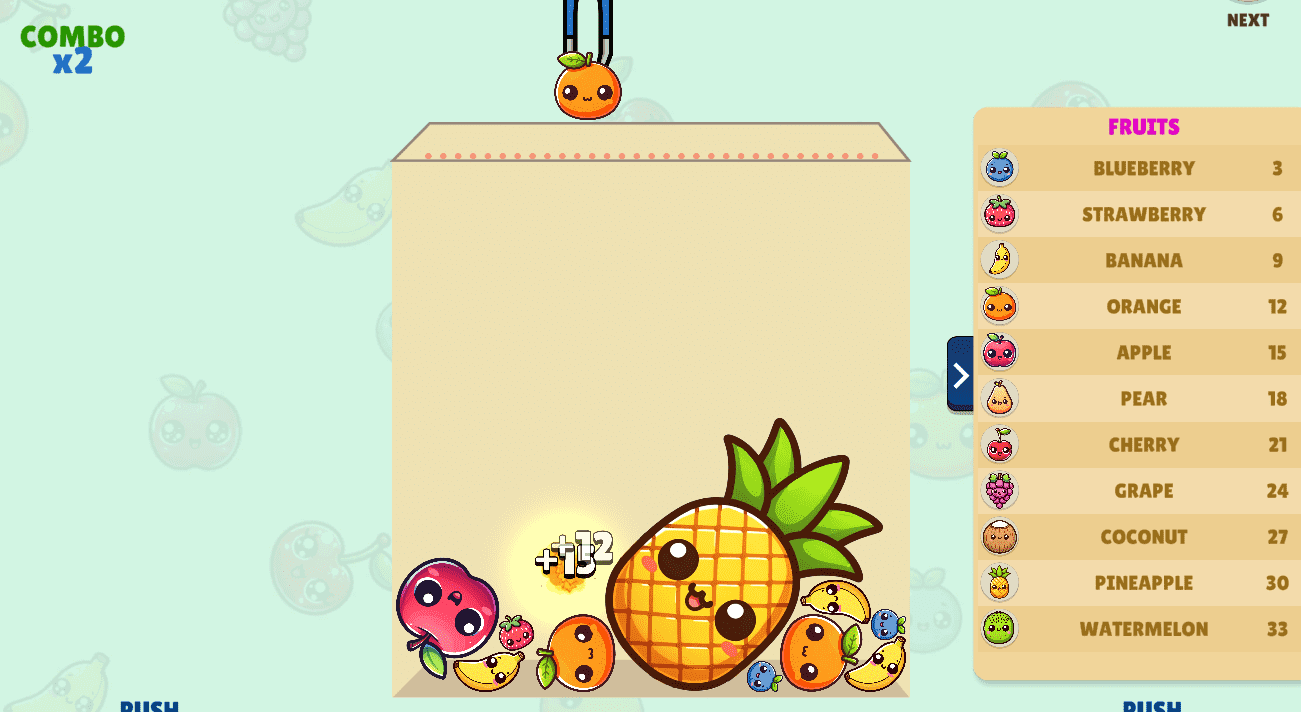
To plan your moves effectively, you need to memorize the order in which fruits evolve. Knowing what comes next prevents accidental blockages and helps you set up multi-stage chain reactions:
- Cherry (Smallest)
- Strawberry
- Grape
- Dekopon (Mandarin Orange)
- Persimmon
- Apple
- Pear
- Peach
- Pineapple
- Melon
- Watermelon (Largest)
Each successful merge not only clears space in your container but also awards you points. Naturally, larger fruits yield significantly more points when combined, making deep merges the key to climbing the global or school leaderboards.
Why Play on Cool Math Games?
While the game originated as a standalone mobile and browser phenomenon, playing through platforms like Cool Math Games offers several distinct advantages. First and foremost, browser-based versions require no downloads, installations, or app permissions. You can load the game instantly in any standard web browser.
Additionally, school and workplace networks frequently block gaming apps and external sites, but educational portals often slip past standard filters. This accessibility has made finding the watermelon game on Cool Math Games a daily routine for students looking to exercise their logic and physics intuition during downtime.
Advanced Strategies to Score Higher
If you want to move past the mid-tier fruits and consistently create watermelons, basic drops won't cut it. You need a deliberate layout strategy. Here are the professional tips you need to master the board.
Video: Chillaxing Suika Watermelon Game
1. Build a Foundation by Size
The cardinal sin of this puzzle is scattering your largest fruits randomly across the container. If a massive peach or pineapple gets trapped near the top with empty space underneath it, it will block smaller fruits from merging, spelling doom for your run.
Instead, keep your largest fruits anchored to one side—preferably the bottom-left or bottom-right corner. Grade your fruit sizes upward as you move toward the center or the opposite wall. This cascading slope ensures that smaller falling fruits naturally roll toward their matching partners.
2. Master the Wall Bounce
Because fruits retain momentum, you do not always have to drop them directly above their intended destination. You can tap the walls of the container to alter a fruit's trajectory. Learning how different fruits bounce off glass walls allows you to tuck smaller items neatly into tight crevices.
3. Avoid Panic Clicking
As the container fills up, anxiety tends to take over, leading to rapid-fire drops. This is almost always a mistake. Take a deep breath, look at the next-fruit indicator, and plan your placement. A single well-placed cherry can trigger a massive chain reaction that clears half the board, whereas a rushed drop usually creates an immediate bottleneck.
4. Create Chain Reaction Setups
The highest-scoring players don't just look for one-to-one merges; they look for domino effects. For instance, combining two apples might push a pear into a peach, which in turn bumps a pineapple into another pineapple. Setting up borders of medium-sized fruits (like apples and pears) creates a volatile board where a single drop can cascade through three or four levels of evolution.
Common Pitfalls to Avoid
Even experienced players fall victim to a few classic traps. Keep these warning signs in mind while you play:
- Building Pyramids in the Center: Piling medium-to-large fruits right in the middle creates two isolated valleys on either side, making it impossible to cross-contaminate and merge items.
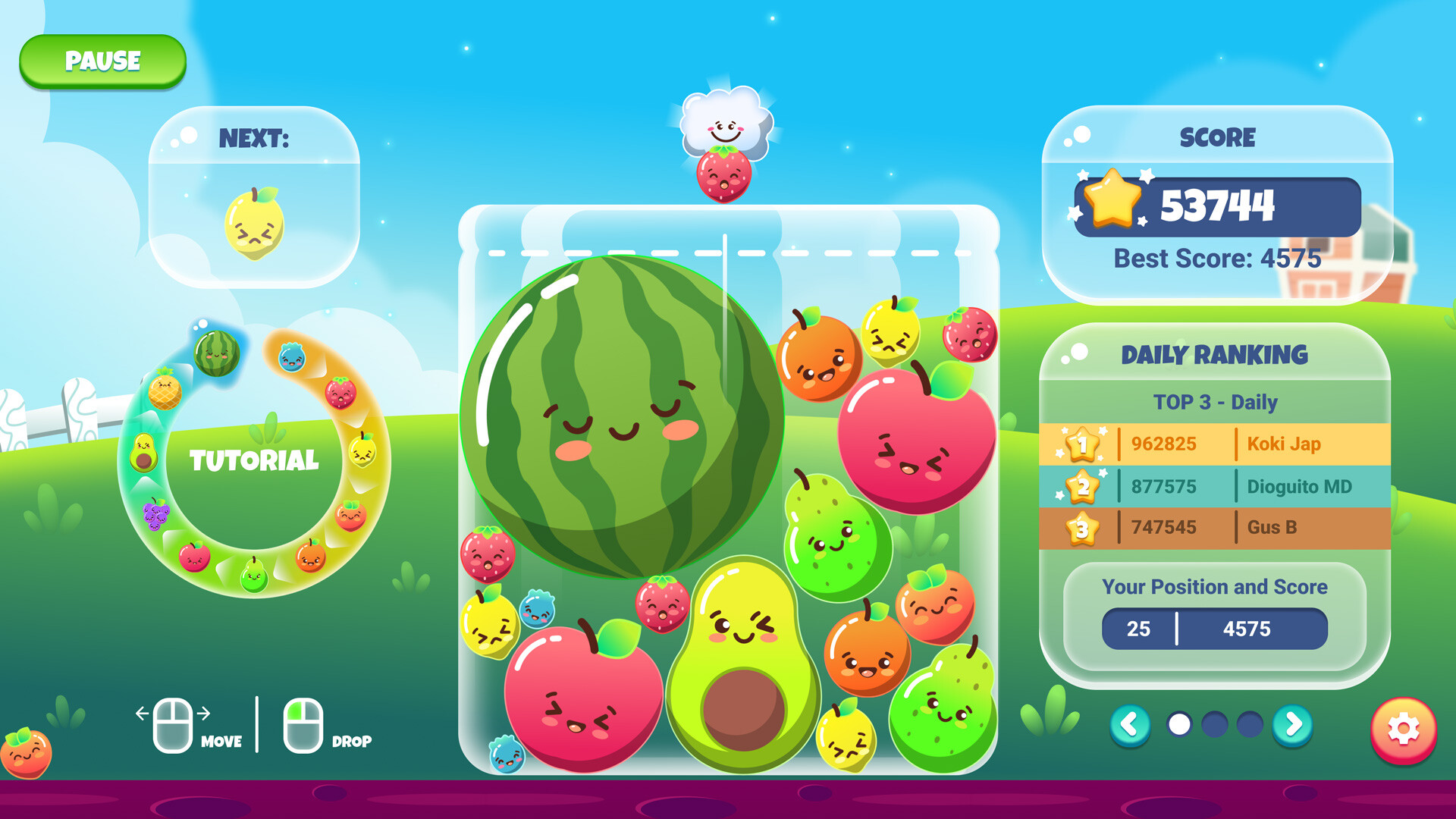
- Ignoring the Next-Fruit Preview: Always check the top-left or top-right indicator to see what is coming next. Dropping a tiny cherry blindly when a medium apple is about to spawn can ruin a carefully constructed corner.
- Over-relying on Luck: While physics can occasionally bail you out with a lucky bounce, consistent high scores come from disciplined stack management rather than hoping for miracles.
Conclusion
Playing the watermelon game on Cool Math Games is an excellent way to test your patience, spatial reasoning, and quick-thinking skills. By understanding the fruit evolution hierarchy, keeping your large items anchored to the edges, and resisting the urge to panic-drop, you will watch your scores skyrocket. Fire up your browser, clear your mind, and start stacking your way to the ultimate giant melon today!