They Called It “Skip the Games”: Inside the Rise
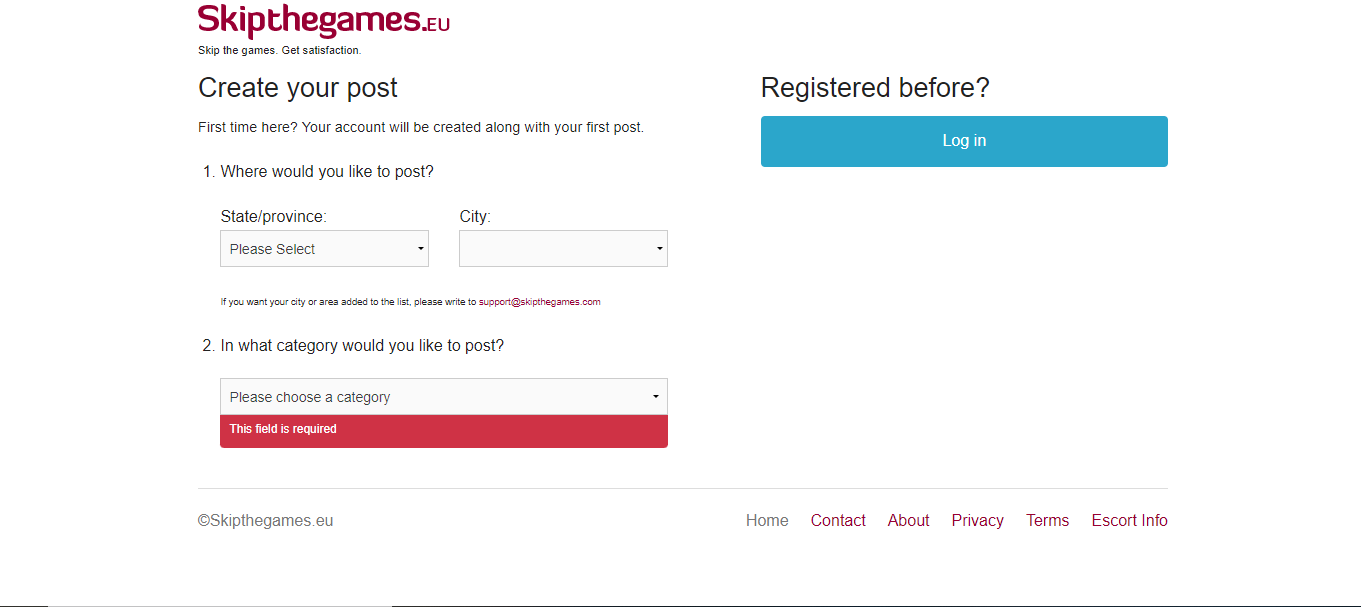
When federal crackdowns dismantled major adult classified networks in early 2018, an enormous digital vacuum opened overnight. Millions of users and advertisers scrambled for alternatives as mainstream platforms shut down their personal sections. Out of this chaotic shift emerged several alternative classified boards. Among the most prominent of these successors, they called it “Skip the Games”—a minimalist advertising site whose blunt branding promised direct personal connections without the endless swiping or ambiguous chat protocols of mainstream dating apps.

However, behind its plain interface lay a complex, high-risk ecosystem. What started as an alternative classifieds platform quickly inherited the intense legal, ethical, and cybersecurity challenges that brought down its predecessors.
The Origin: Filling the Post-FOSTA-SESTA Void
In April 2018, the United States Congress passed the Fight Online Sex Trafficking Act (FOSTA) and the Stop Enabling Sex Traffickers Act (SESTA). The legislative package amended Section 230 of the Communications Decency Act, creating exceptions to the historic liability shield that protected internet platforms from user-generated content.
The impact was immediate and sweeping:
- Craigslist abruptly closed its entire “personals” section across the globe.
- Federal law enforcement seized Backpage.com following an indictment accusing its executives of knowingly facilitating illicit commercial activity.
- Dating platforms and social networks updated their terms of service to heavily restrict adult-oriented content and suggestive banter.
Demand, however, did not disappear. Instead, it migrated. Independent platforms hosted on offshore servers or operating through privacy-shielded domain registrars appeared to capture displaced traffic. This was the environment in which SkipTheGames gained traction, positioning itself as an austere, functional directory categorized strictly by geographic region.
Why They Called It “Skip the Games”: Marketing vs. Reality
The site's name was a direct psychological appeal to frustrated internet users. Mainstream dating services were increasingly criticized for gamified algorithms, paywalled messaging, and low response rates. By titling the platform “Skip the Games,” the operators promised pure utility: direct phone numbers, plain text descriptions, straightforward locations, and zero games.
Yet users quickly discovered that the reality was far more convoluted. Rather than skipping games, navigating the board often meant wading through a minefield of digital deception, including:
- Advance-Fee Scams: Fraudsters posing as advertisers demanded upfront deposits through non-refundable methods like Cash App, Apple Pay, or gift cards, disappearing immediately after payment was sent.
- Sextortion Schemes: Callers were lured into sending explicit photos or identifying information, which bad actors then leveraged to extort money under threat of public exposure to family or employers.
- Bot Networks: Automated scripts scraped photos from Instagram, model portfolios, and webcam sites to generate thousands of fictitious listings across multiple cities simultaneously.
Security, Law Enforcement, and Stings
Because the platform operated with low barriers to entry and minimal identity verification, it quickly became a primary focal point for local, state, and federal law enforcement agencies across the United States.
The Double-Edged Sword of Digital Footprints
Many individuals using alternative classifieds operate under a false sense of anonymity. While users often rely on burner applications, masked phone numbers, and temporary email accounts, these layers of privacy are rarely absolute. Police departments routinely monitor classified boards through dedicated vice and human-trafficking task forces.

Law enforcement methods on these boards generally fall into two categories:
- Reverse Stings: Undercover detectives create operational listings to target buyers who solicit illegal services.
- Proactive Contact: Investigators respond to published ads to verify the age, consent, and autonomy of the person advertising, checking for signs of human trafficking or coercion.
Consequently, court dockets across multiple jurisdictions regularly cite the platform as the primary digital nexus where undercover interactions, sting arrests, and search warrants originate.
The Broader Debate: Harm Reduction vs. Digital Prohibition
The existence and ongoing scrutiny of platforms like SkipTheGames sit at the center of an unresolved debate concerning internet governance, personal safety, and the rights of independent sex workers.
Advocacy groups and public health researchers frequently argue that criminalizing digital platforms does not eradicate commercial sex work; it simply forces it into darker, more dangerous corridors. When platforms with public reviews, community blacklists, and verification badges are taken offline, independent workers lose their ability to vet clients remotely before an in-person meeting.
Conversely, child protection organizations, anti-trafficking coalitions, and federal prosecutors maintain that commercial classified boards provide a streamlined infrastructure for exploitation. From this perspective, the financial models of such sites rely on turning a blind eye to abuse while profiting from premium ad placements, visibility boosts, and unverified postings.
How to Recognize Common Classified Scams
Regardless of the legal and moral debates, platforms modeled on open classifieds carry substantial consumer-protection hazards. Anyone encountering these networks should recognize the standard hallmarks of digital fraud:
- Demands for Immediate Third-Party Payments: Legitimate business transactions rarely mandate gift cards, untraceable wire transfers, or cryptocurrency deposits before services are rendered.
- Verification Code Traps: Scammers often ask targets to read back a multi-digit code sent by SMS to “prove they are real.” In truth, that code is usually a verification pin allowing the scammer to hijack the victim’s Google Voice account or WhatsApp profile.
- Blackmail Coercion: If an interaction pivots into threats involving personal data, contacts, or home addresses, it is almost exclusively an extortion racket operated by organized criminal syndicates abroad.
Conclusion: The Legacy of a Fragmented Web
The story behind why they called it “Skip the Games” is ultimately a case study in modern internet dynamics. It demonstrates how legislative bans rarely destroy digital demand; they simply scatter it across fragmented networks where accountability is lower, scams are more prevalent, and security risks multiply.
As regulatory scrutiny continues to expand globally—from European safety acts to updated federal frameworks in the United States—the era of the unmonitored classifieds directory faces increasing friction. While platforms may continue to rebrand and shift jurisdictions, the underlying tension between privacy, safety, and digital facilitation remains one of the web's most contentious frontiers.