Think Like a Storm Pro: Hurricane Wisdom Net
When a major tropical system forms in the Atlantic or Pacific, the general public tends to react with a mix of complacency and sudden, frantic panic. Grocery store lines stretch around the block, plywood disappears from hardware store shelves, and debates ignite over whether this storm will really be 'the big one.' Meteorologists, emergency managers, and seasoned coastal residents operate differently. They do not wait for panic; they execute a deliberate mental framework. To master hurricane preparedness, you need to learn how to think like a storm pro: the hurricane wisdom net you can’t skip!
The Mindset Shift: From Reactive Panic to Proactive Flow
Amateurs look at a weather map and focus entirely on the wind speed. Professionals look at a storm as a complex, evolving system of variables—surge potential, rainfall distribution, forward speed, and local topography. Adopting a storm professional's mindset means abandoning wishful thinking and embracing worst-case realism.
When you think like a storm pro, you detach your ego from the forecast. You do not ask, 'Will it miss my house?' Instead, you ask, 'What are the vulnerabilities of my location if this storm shifts 30 miles east?' This cognitive shift eliminates hesitation, allowing you to make calm, calculated decisions days before the landfall cone narrows.
Building Your Hurricane Wisdom Net
A solitary individual trying to weather a category-four hurricane alone is at a severe disadvantage. Storm pros rely on a 'wisdom net'—a curated, highly vetted network of information sources, community ties, and logistical backups that ensures they never have to guess their next move.
1. Filtering the Noise: Choosing the Right Data Sources
During an active weather event, social media becomes a toxic swamp of sensationalized clips, outdated radar loops, and unverified rumors. A storm pro ignores social media panic and relies on primary, authoritative scientific data streams.
- The National Hurricane Center (NHC): The gold standard for official tracks, watches, and warnings.
- Local National Weather Service (NWS) Offices: For hyper-local impacts, rainfall totals, and tornado threat specifics.
- Professional Meteorologists: Trusted operational meteorologists who explain complex model physics without hyperbole.
2. The Human Element: Local Community Networks

Data on a screen does not tell you if your neighborhood drainage ditch is backing up or if your elderly neighbor has a generator. Your wisdom net must include a localized human network.
Establish a comms plan with trusted neighbors before hurricane season begins. Know who has tools, who has medical training, and who might need evacuation assistance. During the immediate aftermath, this human net becomes your first line of situational awareness.
Actionable Protocols: What Storm Pros Do First
Thinking like a professional requires translating mindset into tactical action long before the wind picks up. Here is how storm pros sequence their preparation steps:
- Audit the Envelope: Inspect roof ties, window shutters, and garage doors. The garage door is often the weakest structural link in a home; if it fails, internal pressure can lift the roof off the walls.
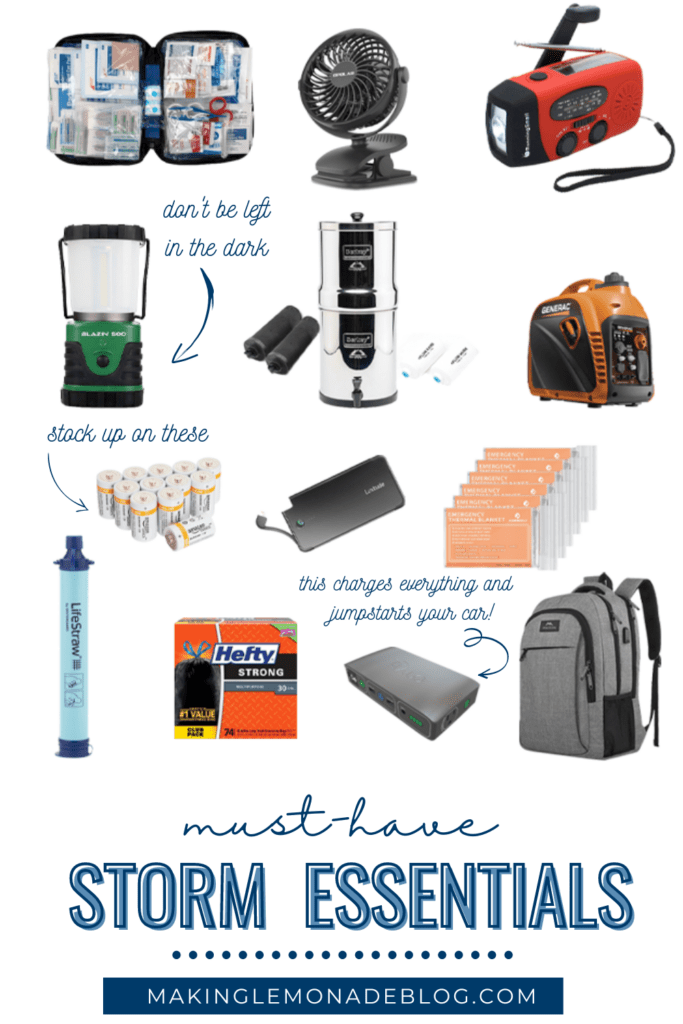
- Calculate Water, Not Just Food: Most people stock up on snacks but forget that water is the absolute priority. Store one gallon of water per person per day for a minimum of two weeks, accounting for sanitation and pets.
- Secure the 'Projectiles': Patio furniture, potted plants, and political signs become lethal missiles in 100-mph winds. Professionals bring these items inside days before the event.
- Digitize Vital Records: Waterproof containers are good, but cloud storage is indestructible. Upload insurance policies, deeds, medical histories, and IDs to secure encrypted cloud folders accessible from anywhere.
Navigating the Post-Storm Phase
The danger does not end when the eye of the hurricane passes or the wind subsides. In fact, many injuries and fatalities occur during the recovery phase due to carbon monoxide poisoning, chainsaw accidents, downed power lines, and contaminated water.
Storm pros approach the aftermath with heightened caution. They treat every downed wire as live, they run generators strictly outdoors and far away from windows, and they refuse to rush back into evacuation zones until local authorities confirm infrastructure is safe. By leaning on your preparedness network and maintaining a disciplined, analytical mindset, you can navigate even the most severe weather events safely and efficiently.