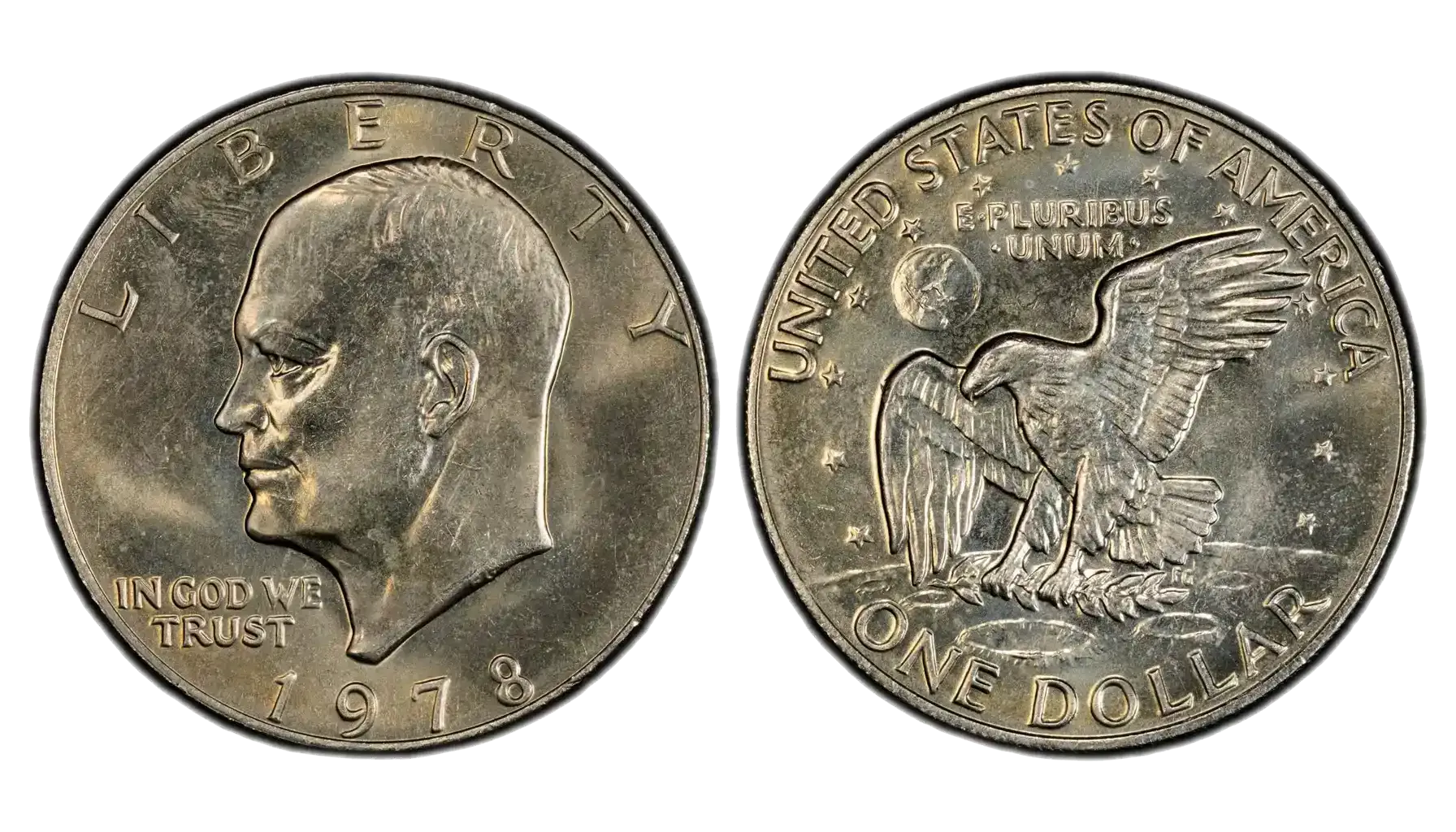
This $1 Trick Can Transform Your Daily Budget
When we think about transforming our finances, we usually imagine making massive sacrifices—canceling every subscription, cutting out all dining, or drastically overhauling our careers. But lasting financial change rarely comes from sudden, painful deprivation. Instead, it comes from micro-habits. That is why the concept of leveraging this $1 daily adjustment has captured the attention of savvy budgeters looking for sustainable wealth-building strategies.
In this article, we will explore how a tiny, seemingly insignificant financial shift can compound over time, reshape your relationship with money, and secure your financial future without requiring a massive income bump.
The Psychology Behind This $1 Strategy
Human beings are notoriously bad at planning for the distant future. When faced with abstract goals like "saving for retirement" or "building an emergency fund," our brains struggle to connect current actions with future rewards. We crave immediate gratification.
This is where micro-actions succeed where traditional budgeting fails. By focusing on a nominal amount—just a single dollar—you bypass the psychological resistance associated with budgeting. Your brain does not view a dollar as a sacrifice. It feels safe, manageable, and entirely achievable.
Once you remove the friction of getting started, momentum takes over. Behavioral economists call this the "foot-in-the-door" technique. Once you commit to a tiny action, you are significantly more likely to follow through with larger, related behaviors later on.
How to Implement the $1 Rule in Daily Life
Execution is everything. To make this financial shift work for you, you need a clear, repeatable framework. Here are three practical ways to put the concept into motion today:
- The Daily Sweep: At the end of every day, look at your checking account balance. Round down to the nearest dollar and move that spare change into a separate savings account.
- The Matching Micro-Spend: Every time you indulge in an unnecessary luxury—like a $5 latte or a $15 lunch—transfer an equal amount (or a flat dollar amount) into your investment or savings account.
- The Escalation Challenge: Start by saving $1 on day one, $2 on day two, and so on. By the end of a standard month, you will have accumulated a surprising sum with virtually no noticeable impact on your cash flow.
Automating Your Success
Willpower is a finite resource. If you rely on your own memory and motivation to manually transfer money every single day, you will eventually forget or talk yourself out of it.

Modern banking technology makes automation your best ally. Many fintech apps and traditional banks now offer round-up features that automatically sweep spare change from your debit card purchases into a digital savings vault. Set it up once, let it run quietly in the background, and watch your balance grow without ever having to think about it.
The Power of Compound Growth
A single dollar saved daily sounds modest, but let us look at the math over the long term. If you save just one dollar every day, you will accumulate $365 in a year. While that might buy you a nice dinner, it is hardly life-changing.
However, what happens when you invest that money instead of letting it sit idle in a low-interest checking account? Over a 20- or 30-year period, regular contributions combined with market returns and compound interest can transform small daily habits into a substantial financial cushion. Compound interest is often called the eighth wonder of the world, and it applies just as much to micro-savings as it does to large windfalls.
Common Pitfalls to Avoid
While this strategy is powerful, it is not a silver bullet for severe financial distress. If you are struggling with high-interest credit card debt, micro-saving should take a backseat to aggressive debt paydown, as the interest you pay on debt almost always outpaces the returns you get on savings.
Additionally, avoid viewing your micro-savings as "fun money" to be spent on impulse purchases every few weeks. Treat your automated savings account as untouchable until it is ready to be deployed toward major financial goals, such as an emergency fund, a down payment, or long-term investments.
Conclusion
Financial wellness is rarely the result of a single dramatic event. It is built brick by brick, dollar by dollar. By implementing this $1 mindset shift and automating your savings, you remove the intimidation factor from personal finance. Start small, stay consistent, and let time do the heavy lifting for your wallet.