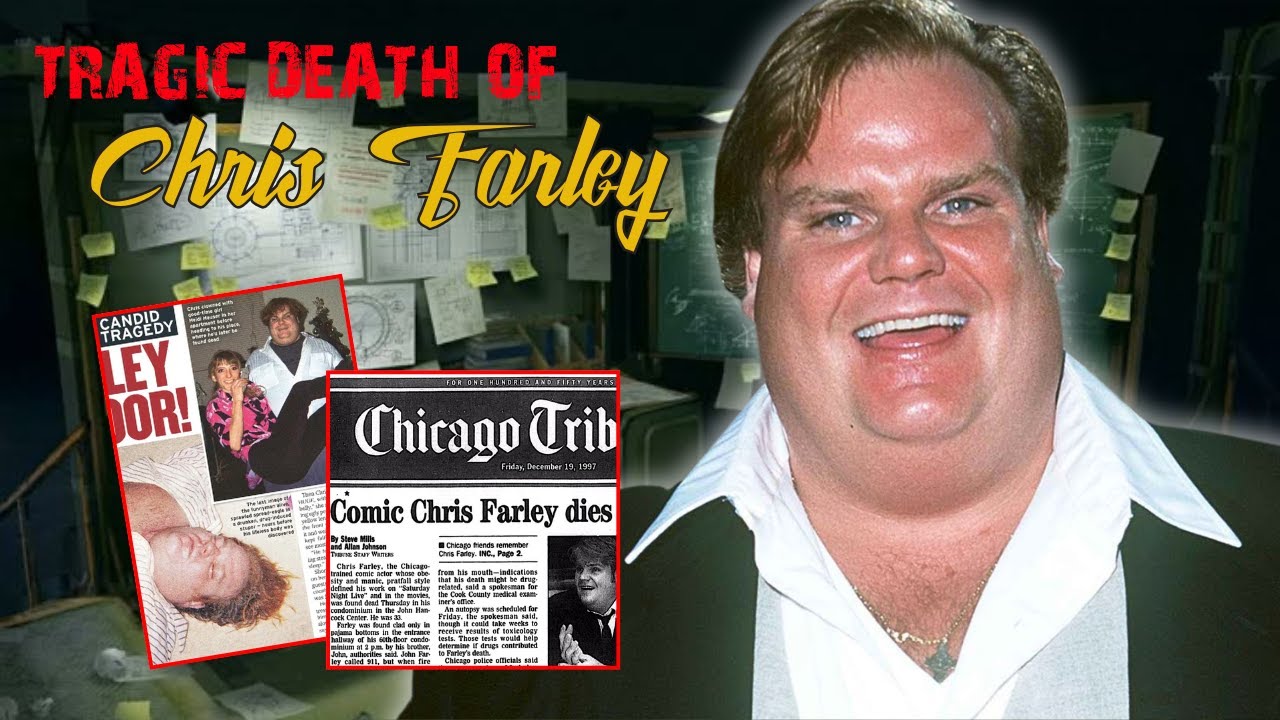
This Chris Farley Last Photo Will Haunt You
When people think of Chris Farley, they immediately picture an unstoppable force of comedic energy. Whether he was tumbling through breakaway coffee tables as motivational speaker Matt Foley, dancing alongside Patrick Swayze in a legendary Chippendales audition, or driving a disintegrating car in Tommy Boy, Farley threw his entire body and soul into making people laugh. Yet, for many who followed his tragic decline, the image etched deepest into memory is not from a sketch or a movie. If you have ever stumbled across the grim police documentation from December 1997, you know that this Chris Farley last photo will haunt you long after you look away.
The notorious photograph does not capture a beloved entertainer taking a final bow. Instead, it serves as a stark, uncompromising document of the reality of severe addiction. To understand why this final image continues to resonate so deeply—and painfully—it is essential to examine the turbulent days leading up to his death, the immense pressures he faced, and the heartbreaking divide between his public persona and his private torment.
The Final Days at the John Hancock Center
By late 1997, Farley’s health was in critical decline. Standing roughly 5 feet 8 inches tall and weighing near 300 pounds, his physical frame was under relentless strain. Compounding that physical stress was a fierce, years-long struggle with substance abuse, primarily alcohol and cocaine. Farley had entered and exited drug rehabilitation programs at least seventeen times throughout his career, often emerging clean and hopeful before the overwhelming demands of celebrity pulled him back into relapse.
In mid-December of that year, Farley was staying in his high-rise apartment on the 60th floor of the John Hancock Center in Chicago. His final week was spent in a chaotic haze of bar-hopping, strip clubs, and solitary bingeing. Witnesses who encountered him during those final days described a man who appeared disoriented, sweat-drenched, and desperately exhausted.
On the evening of December 17, Farley spent time with a woman who later told police that the comedian seemed heavily intoxicated and struggling physically. When she left his apartment early the following morning, Farley collapsed near the entrance of his living room, unable to stand back up. Hours later, on the afternoon of December 18, 1997, Farley’s younger brother, John, arrived at the apartment and discovered him unresponsive. Chris Farley was declared dead at the age of 33.
The Reality Behind the Notorious Image
The photograph that circulated publicly in the aftermath was not taken by a fan or a paparazzi photographer on the street; it was a graphic crime-scene photo taken by police investigators and subsequently leaked to the press. Tabloids, particularly the National Enquirer, published the image, sparking immediate public controversy and outrage from his family and friends.
The image shows Farley collapsed on the floor, clad in an open button-down shirt and gym shorts. Beside him lay a rosary beads necklace and a cloth he had been clutching in his final moments. Toxicology reports later confirmed that Farley died of an accidental overdose of morphine and cocaine—a lethal combination commonly known as a speedball—with advanced atherosclerosis (narrowing of the coronary arteries) cited as a significant contributing factor.
Unlike polished Hollywood memorials or carefully curated public farewells, the photograph exposed the unvarnished, tragic indignity of an overdose. It removed the protective sheen of stardom and left behind only the raw loss of a vulnerable young man.
Video: CHRIS FARLEY'S LAST DAY ALIVE IN DETAIL

Why This Chris Farley Last Photo Will Haunt You Decades Later
The enduring shock of that final scene goes far beyond simple macabre curiosity. The photograph lingers in the collective memory of comedy fans for several profound reasons:
- The Absolute Contrast to His Art: Farley’s comedy was characterized by joy, kinetic physical agility, and warmth. Seeing someone who brought tens of millions of people unbridled laughter lying abandoned on an apartment floor is an unbearable emotional dissonance.
- The Tragic Echo of John Belushi: Farley idolized original Saturday Night Live star John Belushi, openly patterning his early career and appetites after his hero. The fact that both men died at age 33, from the exact same chemical mixture, under deeply solitary circumstances, feels like a predetermined tragedy that everyone saw coming but no one could stop.
- The Rosary in His Hand: Raised a devout Roman Catholic, Farley frequently attended mass and volunteered at soup kitchens throughout his adult life, often in complete secret. The presence of the rosary in his final moments highlighted his internal spiritual battle and the quiet desperation of his final hours.
The Burden of the "Funny Fat Guy"
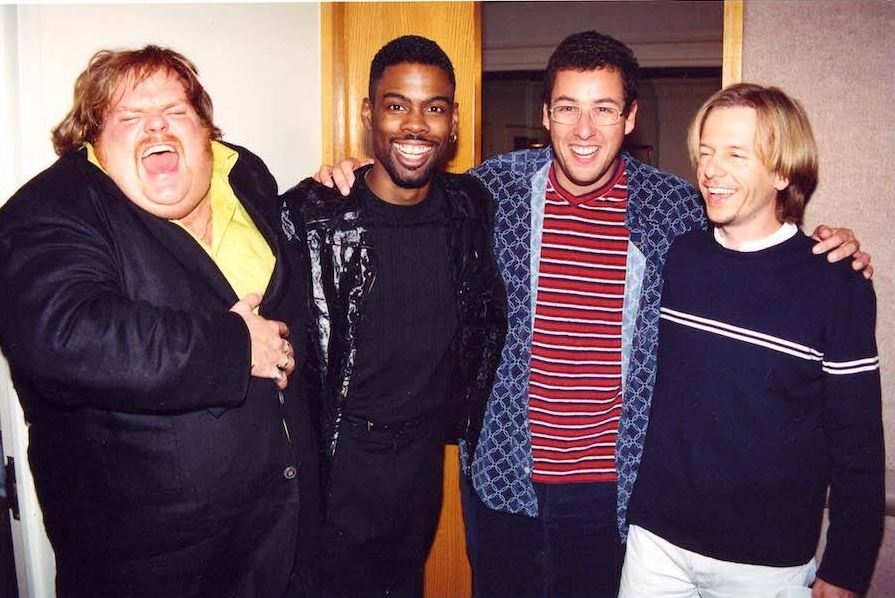
In the acclaimed 2015 documentary I Am Chris Farley, close friends and colleagues shed light on the immense mental toll Farley’s comedic niche took on his psyche. Farley often believed that his only value to others was his ability to play the buffoon. Close friend and co-star David Spade noted that Farley constantly worried that if he lost weight, sobered up, or quieted his demeanor, people would no longer love him.
In an interview with Rolling Stone conducted just a year before his death, Farley candidly admitted to this fear, stating: "I used to think that you could get to a level of success where the laws of nature wouldn't apply. But they do. It's a steep ramp, man. You can't just climb down; you fall."
His comedy peers, including Adam Sandler, Chris Rock, and Dan Aykroyd, attempted interventions and begged him to take his health seriously. But the ferocious cycle of low self-esteem and chemical dependency proved insurmountable.
Reframing the Legacy: Beyond the Tragedy
While the leaked death scene photo remains a chilling reminder of the destructive nature of addiction, Chris Farley’s legacy deserves to be defined by what he gave to the world rather than how he left it. He was not merely a physical comic who hurled himself through doors; he possessed extraordinary timing, an expressive face, and an unmatched vulnerability that allowed audiences to root for his characters unconditionally.
When Adam Sandler paid tribute to him in his 2018 special with the heartfelt ballad "The Chris Farley Song," audiences were reminded of the sweet, generous Midwestern kid beneath the chaotic whirlwind. Sandler sang of Farley’s gentle nature, his uncontrollable backstage laughter, and the gaping void his absence left behind in American comedy.
The last photograph of Chris Farley will always serve as a sobering, painful cultural marker. It stands as an undeniable warning about the devastating realities of untreated addiction and the hidden loneliness that can consume even the brightest performers. Yet, the true way to remember Chris Farley is not in the silence of his final apartment, but in the enduring roar of the audiences he made laugh until they cried.