This Is Why America’s New Favorite Tape Isn’t Just Functional — It’s Iconic
For nearly a century, silver duct tape reigned supreme as the quintessential American fix-all. Kept in toolboxes, car trunks, and kitchen junk drawers, it was the heavy-handed solution to leaky pipes, cracked plastic, and loose bumpers. Yet anyone who has ever peeled away aging duct tape knows its dark side: baked-on gummy adhesive, disintegrated threads, and ruined finishes. Today, a quiet revolution has swept through workshops, creative studios, and modern households. Discerning makers, homeowners, and professionals have permanently switched to premium cloth gaffer tape. When you examine how utility, design elegance, and technical performance intersect, this is why America’s new favorite tape isn’t just functional — it’s iconic.
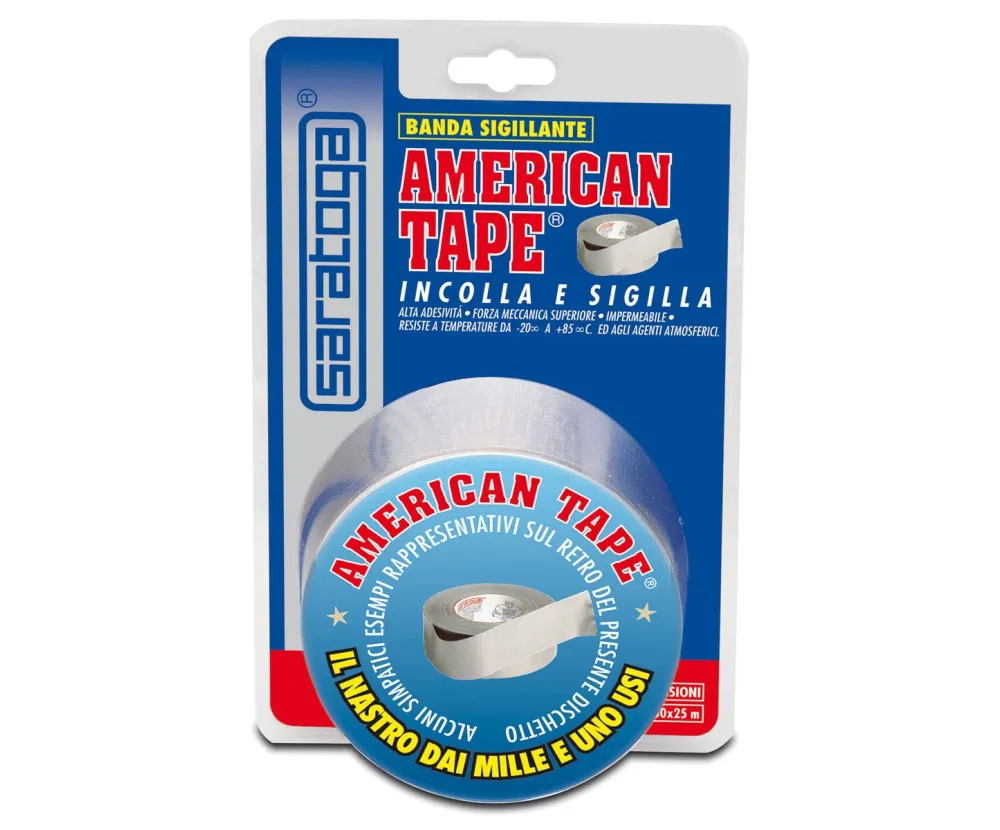
The Demise of Duct Tape and the Rise of Gaff
To understand why gaffer tape—affectionately called "gaff"—has achieved near-mythic status, it helps to examine the shortcomings of traditional duct tape. Developed during World War II as an ammunition box sealant, duct tape uses an polyethylene film bonded to loose cotton mesh and coated with an aggressive, cheap rubber adhesive. While water-resistant, duct tape breaks down quickly when exposed to heat and ultraviolet light. The adhesive cures into surfaces, leaving behind a sticky residue that requires harsh chemical solvents to remove.
Gaffer tape was engineered for a completely different environment: professional film sets, theater stages, and broadcast studios. Stagehands needed a tape with immense holding power that could secure heavy electrical cables under high-wattage lighting, yet peel away cleanly without stripping expensive stage varnish, tearing camera paint, or leaving residue on cables. The result was a tape built to exacting mechanical specifications rather than cut-rate consumer manufacturing.
This Is Why America’s New Favorite Tape Isn’t Just Functional — It’s Iconic
A tool becomes iconic when it transcends its original purpose and embeds itself into wider popular culture. Just as Field Notes notebooks moved from farm supply counters to creative agency desks, gaffer tape has migrated from Hollywood production trucks into everyday American life.
Its iconography stems from three distinct qualities:
- Utilitarian Sophistication: The low-luster, non-reflective matte finish instantly distinguishes gaff from cheap, shiny plastic adhesives. In matte black, it practically vanishes against modern dark surfaces, tech setups, and home entertainment systems.
- The Creative Class Association: For decades, a roll of gaff hanging from a carabiner on a belt was the universal hallmark of cinematographers, audio engineers, and lighting technicians. Carrying gaff signaled that you were someone who solved problems under pressure. That reputation for competence has carried over to everyday consumers.
- Tactile Reliability: Unlike slick vinyl or synthetic films, gaffer tape has a substantial, woven cotton texture. It feels like an artisanal textile rather than a petroleum byproduct, delivering a sensory experience unmatched by standard hardware-store adhesives.
The Engineering Behind the Performance
The cultural reverence surrounding gaffer tape would mean nothing if the product failed in practical use. Beneath its stylish matte exterior lies deliberate engineering tailored for high-stakes problem-solving.
High-Density Cotton Cloth Backing
Premium gaffer tape features a high-thread-count cotton backing (often between 70 to 80 threads per inch). This dense cloth weave produces incredible tensile strength along its length, allowing it to lash, bind, and bundle heavy items without snapping. Despite this linear strength, the perpendicular cotton fibers allow you to tear precise strips horizontally and vertically with your bare fingers—no scissors or utility knives required.
Natural Rubber Adhesive Formulation
Instead of cheap petroleum-based glues that liquefy in warmth, commercial gaffer tape relies on high-grade natural rubber resin adhesives. This formulation delivers strong shear resistance while preventing the adhesive from transferring permanently onto the surface below. Whether removed three minutes or three weeks after application, it lifts cleanly from hardwood, powder-coated aluminum, canvas, and glass.
Non-Reflective Matte Coating

Originally formulated to prevent stage and studio lights from reflecting into camera lenses, the tape’s matte finish has become a favorite feature for modern interior use. It does not glare under room lighting, looks neat along baseboards, and provides an ideal surface for labeling with pens, markers, or chalk pencils.
Everyday Applications: How America Uses It Now
As remote work and creative hobbies expanded across American households, the versatile applications of gaffer tape became obvious. It has transformed from a trade secret into a household essential:
- Streamlined Cable Management: Modern home offices and entertainment centers are plagued by tangled cords. Gaff tape secures cables flush against desk legs, walls, and floors without leaving sticky gunk on wires when you rearrange your workspace.
- Damage-Free Temporary Mounts: Renters use gaffer tape to anchor smart-home sensors, secure lightweight acoustic panels, or mount holiday decor without gouging drywall paint.
- Rugged Field and Gear Repairs: Campers, cyclists, and photographers wrap lengths of gaff tape around water bottles or lighter cases. If a backpack strap tears, a tent seam splits, or a tripod clamp slips miles into the backcountry, gaffer tape delivers an instant, weather-resilient hold.
- High-Visibility Organization: Available in fluorescent neon alongside subdued earth tones, gaffer tape serves as the premier removable labeling system for kitchen storage, garage bins, tool handles, and shipping crates.
Gaffer Tape vs. Duct Tape: Head-to-Head Comparison
While gaffer tape costs more upfront than mass-market duct tape, the difference in performance makes the investment self-evident:
- Clean Removal: Gaffer tape releases cleanly without heat guns or chemical citrus sprays; duct tape leaves behind hardened adhesive residue.
- Tearing Convenience: Gaffer tape tears sharply along straight grain lines in both directions; duct tape twists, stretches, and frays when torn by hand.
- Surface Compatibility: Gaffer tape is safe on delicate surfaces like painted walls, wood flooring, and photography equipment; duct tape frequently tears off topcoat finishes.
- Heat Resistance: Gaffer tape remains stable under elevated temperatures; duct tape’s adhesive quickly melts, causing slips and sliding.
How to Identify Authentic Professional Tape
As gaffer tape has grown in popularity, several budget manufacturers have attempted to capitalize on the trend by marketing cheap black duct tape under the "gaffer" label. To ensure you purchase the genuine article, look for these key indicators:
Look for Genuine Woven Cloth
Inspect the edges and surface. Real gaffer tape should look and feel like woven fabric, not embossed vinyl or shiny plastic with a printed crosshatch pattern.
Test the Tear and the Adhesive
Authentic gaff tears cleanly in a sharp 90-degree line without pulling long elastomeric strands. Press a strip firmly to a clean glass or wood surface, let it sit under sunlight or gentle heat, and peel it back. If it leaves gummy tracking lines behind, it is a counterfeit adhesive formulation.
The Verdict on a Modern Icon
Great tools earn iconic status when they do their job so reliably that they fundamentally change our expectations. Silver duct tape had its moment in an era of rough-and-ready mechanical fixes. But in an age where people care about preserving their floors, protecting their electronics, and maintaining clean design lines, gaffer tape has claimed the crown. It delivers uncompromising durability without the destructive aftermath, proving that the best tools are built to perform, built to endure, and built to leave no trace.