This Is Why Leak Exposure Now Triggers Deep Psychological Pain
A decade ago, a digital breach or an unauthorized release of private communications was largely treated as an administrative inconvenience or a momentary social embarrassment. Today, the emotional aftermath looks radically different. Clinicians and behavioral researchers are reporting an influx of patients presenting with symptoms resembling acute stress disorder and complex post-traumatic stress after their private conversations, photographs, or personal files are exposed online. Understanding the mechanisms behind this shift reveals that this is why leak exposure now triggers deep psychological pain: our digital footprints are no longer just records of what we do—they have become the external architecture of who we are.

The Evolution of Digital Identity and Vulnerability
To understand why the psychological fallout from leaks has intensified, one must examine how thoroughly modern existence has migrated into digital spaces. The boundary between the physical self and the digital persona has dissolved. Smartphones, encrypted messengers, and cloud storage house our unfiltered thoughts, private vulnerabilities, financial vulnerabilities, and intimate relationships.
Sociologist Erving Goffman famously introduced the concept of “frontstage” and “backstage” behavior. The frontstage is where individuals perform for society, adhering to norms, professional expectations, and social decorum. The backstage is where people retreat to rest, confess flaws, express unconventional opinions, and build intimate bonds without fear of public judgment. Modern devices act as our digital backstage. When a leak occurs, that sanctuary is instantly decimated.
This Is Why Leak Exposure Now Triggers Deep Psychological Pain
The severity of psychological injury caused by an unauthorized disclosure stems from a convergence of technological permanence, biological threat perception, and social dynamics. Several primary drivers explain why the experience cuts so deeply into the human psyche.
1. Context Collapse and Identity Stripping
Human beings tailor their communication based on context. You speak to a partner differently than a colleague, and an offhand joke shared with a childhood friend carries nuances that an outside observer cannot grasp. Leaks precipitate what media theorists call radical “context collapse.”
When private material is exposed, it is divorced from its relational context and judged through a hostile, collective lens. The victim is stripped of the ability to explain, contextualize, or defend their humanity. This sudden, non-consensual flattening of one’s identity produces profound feelings of powerlessness and existential disorientation.
2. The Weaponization of Algorithmic Shame
Historically, interpersonal betrayal was local. A secret shared in confidence might spread through an office or a neighborhood, but it was bounded by geography and physical social circles. Today, social platforms and search engines operate on engagement models that actively reward outrage, voyeurism, and public shaming.
A leak is rarely just witnessed; it is dissected, turned into memes, aggregated by content farms, and amplified by algorithmic feedback loops. Victims do not merely endure the initial violation of their trust; they endure an asymmetric spectacle where thousands of strangers participate in collective denigration.
3. Digital Permanence and the Loss of Futurity
Human memory is naturally fallible, which provides evolutionary utility: it allows communities to forgive, forget, and allow members to rebuild after mistakes or indiscretions. The internet, however, possesses immutable memory.
Once data leaks, mirror sites, archives, and third-party databases preserve the material indefinitely. For the victim, this introduces a crushing sense of lost futurity. They are forced to live with the knowledge that their most vulnerable moments may resurface during future job interviews, romantic partnerships, or community interactions. This creates chronic anticipatory anxiety—a persistent state of waiting for the other shoe to drop.
Somatic and Psychological Manifestations of Leak Trauma
The nervous system does not neatly distinguish between physical boundary violations and profound digital violations. Clinical assessments of individuals subjected to doxxing, non-consensual media sharing, or sensitive data leaks consistently show severe trauma responses, including:
- Hypervigilance: An inability to disengage from devices, compulsively checking notifications, search engines, and forums to monitor the spread of the leak.
- Social Death Anxiety: Primitive, biological panic triggered by ostracization. Evolutionarily, expulsion from the tribe meant physical death; digital leaks trigger that exact ancestral survival alarm.
- Depersonalization and Dissociation: Feeling detached from one’s physical body or treating daily life as surreal and hostile.
- Paranoia and Agoraphobia: The overwhelming belief that strangers encountered in physical spaces have seen the leaked material and are silently judging or targeting them.
Rebuilding Agency After an Information Breach
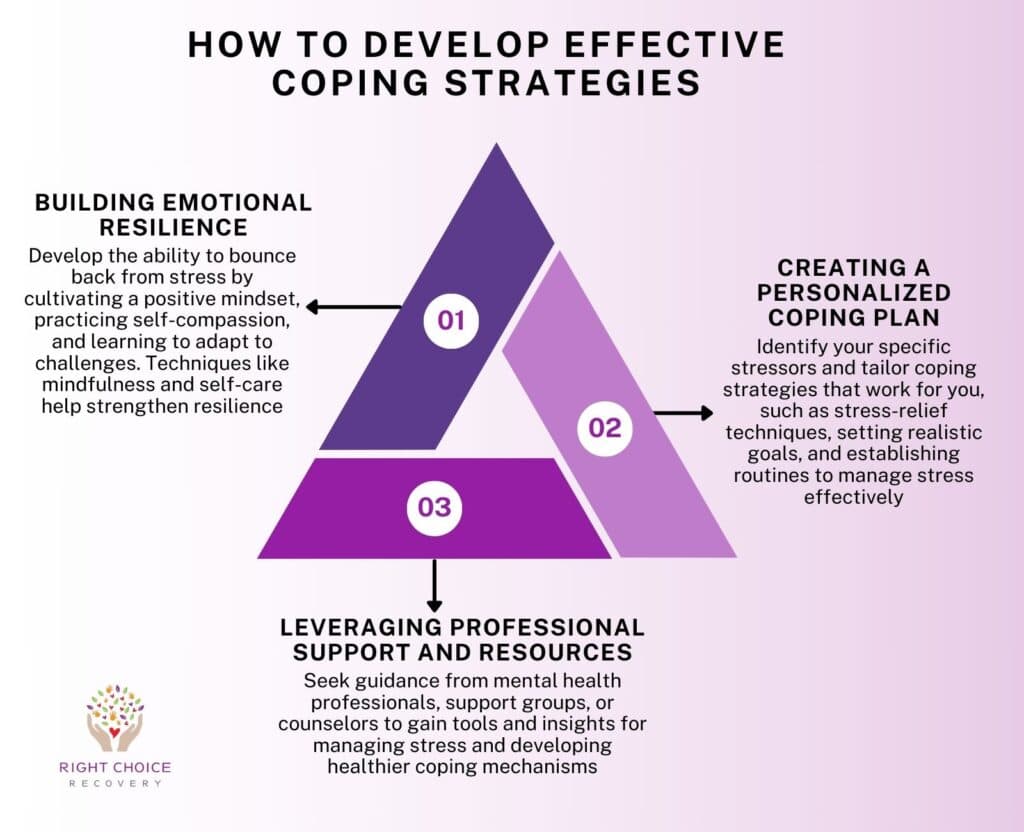
Navigating the aftermath of a leak requires addressing both the operational reality of the breach and the severe psychological shock that accompanies it. While technical remediation is critical, psychological stabilization must take priority.
Establish Digital Containment
The instinctive reaction to a leak is constant surveillance—obsessively refreshing platforms to measure the damage. This perpetuates a state of autonomic nervous system overload. Victims should delegate the technical and legal monitoring to a trusted friend, family member, or professional service. Severing direct visual exposure to hostile comments breaks the acute trauma loop.
Differentiate Between Privacy and Shame
Perpetrators of leaks rely on the victim internalizing guilt. It is essential to distinguish between a private thought or act and a shameful one. Having private aspects of life exposed does not mean those aspects were wrong; it means an external party committed a profound breach of boundary. Restoring that cognitive distinction helps reclaim self-worth.
Engage Somatic and Trauma-Informed Support
Because leak trauma engages primal survival responses, standard cognitive processing alone is often insufficient. Somatic therapies, Eye Movement Desensitization and Reprocessing (EMDR), and grounding practices help reset a nervous system locked in a chronic fight-or-flight response. Professional mental health support ensures that acute distress does not calcify into long-term post-traumatic stress.
The Path Forward in an Open-Glass World
As digital architecture becomes more centralized and surveillance capabilities expand, leaks will remain an ambient threat of modern life. Recognizing leak exposure as a legitimate form of psychological trauma—rather than a trivial online mishap—is the first step toward building clinical frameworks, legal protections, and interpersonal empathy adequate for the digital age.