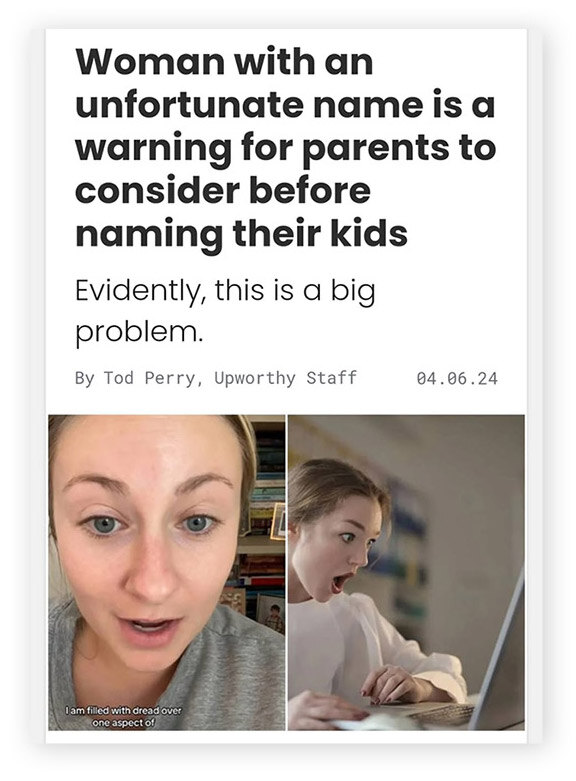
This isn’t clickbait — it’s a moment of truth about fame and fear
In an attention-driven economy where every smartphone doubles as a broadcasting studio, modern ambition has been radically redefined. Millions of creators, professionals, and artists strive for visibility, believing that audience size translates directly into freedom and security. Yet behind the curated metrics, viral spikes, and public validation lies a sobering psychological reality. This isn’t clickbait — it’s a moment of truth about fame and fear, shedding light on the unspoken anxieties that arrive when you finally get the attention you thought you wanted.

The Anatomy of Hyper-Visibility: When Attention Becomes Surveillance
For most of human history, fame was an anomaly reserved for monarchs, religious leaders, and a select few performers. Today, algorithmic platforms have decentralized visibility, creating what sociologists call micro-celebrity. Anyone with an internet connection can wake up to hundreds of thousands of strangers inspecting their words, appearance, and personal beliefs.
However, the human nervous system was never calibrated to process evaluation from thousands of people simultaneously. In ancestral environments, the undivided attention of a large group usually preceded banishment or violence. Consequently, when modern creators experience rapid exposure, their biology frequently interprets sustained public attention not as prestige, but as acute surveillance.
The initial thrill of algorithmic favor inevitably yields to psychological hyper-vigilance. Creators begin scanning their comments defensively, anticipating backlash before it occurs. The platform that initially served as a creative outlet gradually morphs into an open-air panopticon.
Why This Isn’t Clickbait — It’s a Moment of Truth About Fame and Fear
Popular culture often treats the complaints of visible figures with skepticism. The prevailing cultural sentiment suggests that wealth, influence, and recognition should insulate an individual from emotional suffering. But examining why this isn’t clickbait — it’s a moment of truth about fame and fear requires recognizing that visibility fundamentally distorts our relationship with self-preservation.
Fame manufactures two distinct, diametrically opposed terrors that feed on each other:
- The Fear of Being Truly Seen: As visibility increases, privacy diminishes. Public figures must contend with the reality that every misspoken word, past mistake, or unpolished thought can be decoupled from its original context, monetized by commentary channels, and weaponized by anonymous bad-faith actors.
- The Fear of Becoming Irrelevant: Because algorithmic visibility is volatile, it creates an intense addiction to external reinforcement. Disappearing from the feed feels equivalent to professional death. This forces people into an exhausting dilemma: continue feeding the machine despite the mental strain, or step away and risk falling into obscurity.
This psychological trap creates chronic cognitive dissonance. The individual must smile for the camera while privately wrestling with an overwhelming sense of vulnerability.
The Hidden Costs: The Parasocial Contract
One of the primary drivers of modern exposure anxiety is the nature of parasocial relationships. In legacy media, a film star maintained a protective barrier of mystique. In the digital creator era, success demands intimacy, vulnerability, and authenticity. Audiences do not just consume work; they demand ongoing access to the creator’s private life.
This dynamic creates an unspoken, fragile contract between the figure and their audience. The creator reveals their rawest struggles to foster genuine connection. In return, the audience awards them attention and loyalty. However, this dynamic carries severe structural liabilities:

1. Identity Commodification
When your personal quirks, relationship milestones, and mental health struggles become content, your internal life transforms into inventory. Drawing clear boundaries between the authentic self and the performing self becomes extraordinarily difficult, leading to emotional detachment and depersonalization.
2. The Ever-Present Spectre of Moral Scrutiny
Audiences often project their own ideals and moral standards onto the figures they follow. When a public figure inevitably fails to uphold an impossible standard of moral perfection, the audience experiences a sense of betrayal. The subsequent public backlash is swift, disproportionate, and deeply disorienting for the individual caught in its path.
3. The Algorithmic Treadmill
Social algorithms are indifferent to human limitations. Platforms reward frequency, sensationalism, and high emotional volatility. Stepping away for a month to recover mental clarity often results in severe distribution penalties, turning content production into an inescapable treadmill sustained primarily by existential fear.
Recognizing the Symptoms of Visibility Fatigue
You do not need millions of followers to experience the debilitating effects of visibility dread. Mid-tier influencers, independent founders, and corporate leaders frequently show symptoms of what psychologists term visibility fatigue:
- Creative Paralysis: Second-guessing every sentence, design, or video out of an intense dread of misinterpretation or public critique.
- Compulsive Metric Checking: Checking analytics obsessively throughout the day to gauge emotional stability against arbitrary performance numbers.
- Self-Censorship: Abandoning nuanced or unique perspectives in favor of safe, homogenized content designed strictly to avoid friction.
- Deep Isolation: Feeling alienated from friends and family who view your public visibility solely as unmitigated success and cannot empathize with the underlying panic.
Reclaiming Agency: Navigating Exposure Without Sacrificing Sanity
Visibility does not have to be an all-or-nothing proposition. Escaping the cycle of fame and fear requires intentional frameworks that separate your inherent value from your public distribution channels.
- Decouple Self-Worth from Performance Metrics: Treat analytics as clinical product telemetry rather than personal report cards. When a post performs poorly, your work did not fail; an algorithm simply routed traffic elsewhere.
- Practice Radical Information Dieting: Turn off push notifications, avoid reading quote-tweets or unsifted comment sections, and establish dedicated operational windows for social platforms. Constant ambient exposure to public feedback drains cognitive reserves.
- Embrace Strategic Anonymity: You do not need to show your face or broadcast your private life to build an impactful business or share ideas. Pseudonymous writing, curated corporate identities, and product-led growth offer sustainable alternatives to personal-brand dominance.
- Nurture Grounded Offline Relationships: Invest deeply in relationships with people who do not care about your social reach, your follower count, or your public profile. Genuine intimacy with individuals who see you solely as an unvarnished human being serves as the ultimate antidote to parasocial anxiety.
Conclusion: Meaning Over Metrics
The cultural obsession with visibility promises a level of fulfillment that external validation can never actually supply. Fame without boundaries is simply exposed vulnerability without security. When we strip away the allure of internet celebrity, we discover that what most people genuinely desire is not universal adoration, but meaningful connection and the freedom to create on their own terms. Recognizing the fear inherent in public visibility is the first essential step toward mastering it — trading the exhausting pursuit of mass applause for genuine agency, peace, and enduring purpose.