This Nation’s Net Worth Blankets Global Fortune
Understanding Global Wealth and National Assets
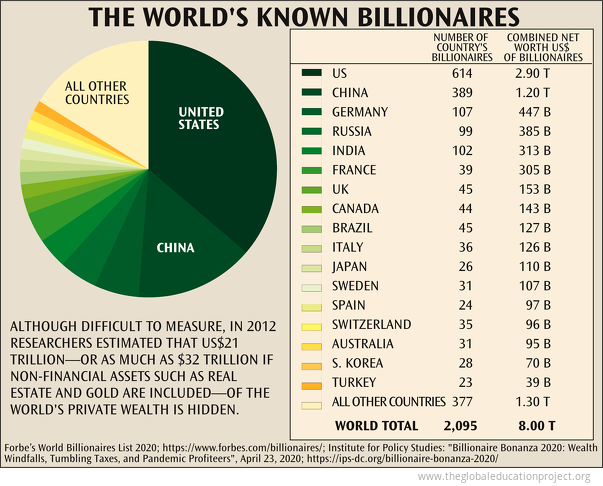
When economists calculate the total financial value of the world, staggering figures emerge. Yet, wealth distribution across sovereign borders is remarkably uneven. At the top of this global hierarchy sits a single economic superpower whose total assets vastly outperform its peers. When examining modern economic data, it becomes clear that this nation’s net worth blankets global fortune in ways that shape geopolitics, trade agreements, and financial markets.
To understand how a single country can command such a massive share of worldwide prosperity, we must look beyond simple gross domestic product (GDP). GDP measures the flow of annual economic activity, but net worth represents a deeper balance sheet—total assets minus total liabilities. This includes everything from real estate and infrastructure to corporate equity, intellectual property, and natural resources.
How Wealth is Measured on a Global Scale
Comparing the financial health of nations requires standardized metrics. Organizations like the International Monetary Fund (IMF), the World Bank, and private financial institutions like UBS and Credit Suisse track household wealth, sovereign assets, and corporate value annually.
When financial analysts evaluate sovereign wealth, they typically break it down into three core categories:
- Produced Assets: Infrastructure, residential and commercial real estate, machinery, and industrial equipment.
- Intangible Assets: Human capital, institutional strength, research and development, and intellectual property.
- Natural Resources: Arable land, timber, oil, natural gas, and mineral deposits.
By aggregating these categories, analysts can construct a comprehensive balance sheet for every country on Earth. The results consistently highlight a massive disparity between the leading economic power and the rest of the world.
The Economic Engine Behind the Dominance
What drives the staggering valuation of the world's wealthiest country? Several structural advantages compound over decades, creating a formidable financial fortress.
Innovation and Technology Leadership
The modern economy runs on technology, software, and intellectual property. The world’s leading tech giants—spanning cloud computing, artificial intelligence, biotechnology, and digital commerce—are predominantly headquartered in this single nation. These companies generate trillions of dollars in market capitalization, directly feeding into national and household wealth.
Deep and Liquid Capital Markets
Financial depth matters immensely. The nation's stock exchanges represent the largest and most liquid capital markets in existence. Domestic and international investors alike funnel trillions of dollars into these markets, driving up asset prices and securing high returns on investments. This robust financial ecosystem attracts global capital, reinforcing the country's economic supremacy.
Video: Top RICHEST YOUTUBERS 2025

Strong Rule of Law and Institutional Trust
Capital is notoriously cowardly; it flees instability and seeks secure harbors. A transparent legal system, enforceable property rights, and strong democratic institutions provide the stability that long-term investors demand. Because global wealth trusts these legal frameworks, trillions of dollars in foreign capital remain parked within the nation's borders.
This Nation’s Net Worth Blankets Global Fortune
When we state that this nation’s net worth blankets global fortune, we are describing a concentration of economic power that influences nearly every corner of international trade. According to recent global wealth reports, the total household and institutional wealth held within the United States accounts for roughly 30% of the entire global total, despite the country housing less than 5% of the global population.
This outsized share means that fluctuations in this nation's housing market, stock exchanges, or interest rate policies immediately ripple across international borders. Central banks worldwide must adjust their monetary policies in tandem with the decisions made by this nation's central financial authority. Supply chains are structured around its consumer demand, and global currencies are frequently pegged or indexed against its fiat currency.
Liabilities, Inequality, and Future Challenges
A high net worth does not mean an absence of economic challenges. In fact, the mechanics of extreme wealth accumulation often bring complex internal and external vulnerabilities.
Rising Sovereign and Household Debt
While total assets are immense, total liabilities are equally staggering. National debt levels have reached historic highs, driven by continuous public spending, social programs, and geopolitical commitments. Similarly, consumer debt—including mortgages, student loans, and credit cards—places a heavy burden on millions of households.
Internal Wealth Disparity
National net worth is an aggregate figure that can easily mask internal inequality. The vast majority of the nation's wealth is concentrated within the upper echelons of society, while the middle and working classes face rising costs of living, housing affordability crises, and stagnant real wages in certain sectors. This wealth gap remains one of the most pressing domestic political issues.
Conclusion: What the Future Holds for Global Wealth
The dominance of a single economic superpower is a defining feature of the modern era. As emerging markets grow and new technologies decentralize economic power, the distribution of global wealth will undoubtedly evolve. However, the foundational advantages of deep capital markets, relentless innovation, and institutional stability ensure that this nation’s financial footprint will remain unrivaled for the foreseeable future.


