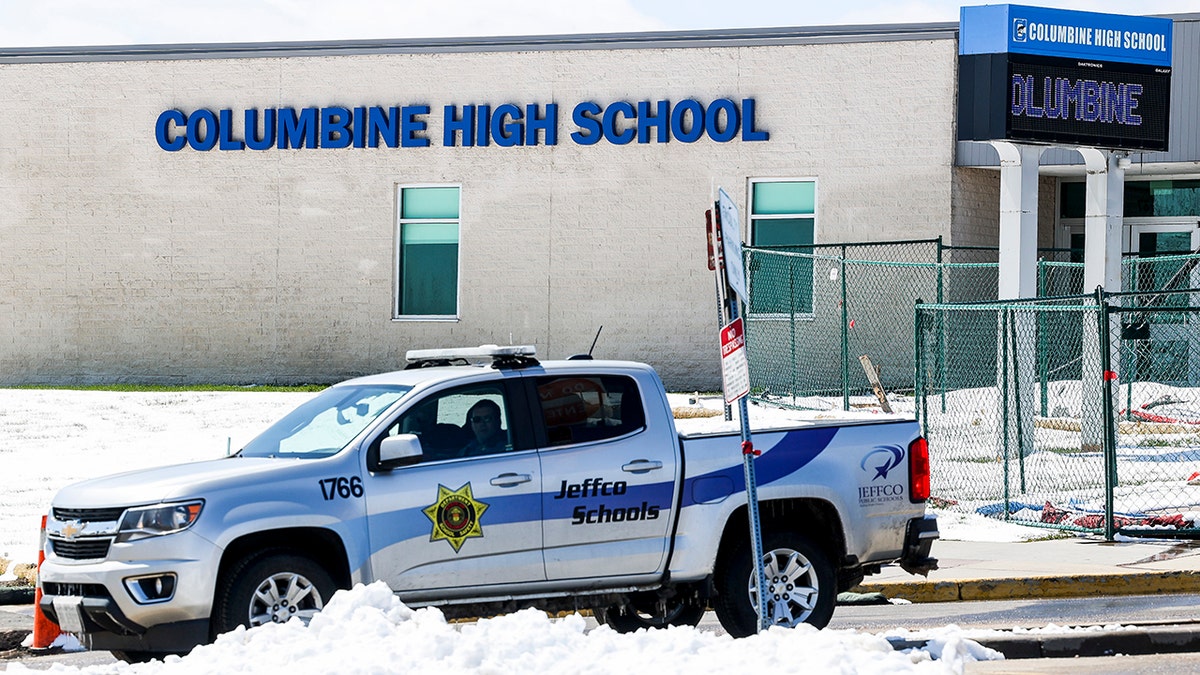
This One Columbine Picture Reveals a Hidden Truth
Decoding the Visual Archive of Columbine

On April 20, 1999, the tragedy at Columbine High School in Littleton, Colorado, forever altered the American landscape. In the days and weeks that followed, a flood of media imagery saturated television screens and newspaper front pages. Among these, crime scene photographs, aerial views of the campus, and portraits of the perpetrators formed an enduring visual record. However, decades after the event, researchers and investigators continue to scrutinize these archival images. Surprisingly, **this one Columbine picture reveals a hidden truth** that challenges the prevailing narrative of how the tragedy unfolded inside the school library.
When we look past the initial shock value of historical crime scene photos, specific frames offer forensic clues that contradict early media reporting. Understanding these visual records requires separating sensationalized accounts from ballistic, architectural, and photographic evidence gathered by law enforcement.
The Library Chaos and the Media Narrative
For decades, the public understanding of the massacre was heavily shaped by sensationalized early reports. The narrative frequently depicted the two killers roaming the entire school for hours, targeting specific groups, and engaging in prolonged firefights throughout the building. While the shooters did traverse several areas—including the cafeteria, hallways, and the library—the vast majority of casualties occurred in the school library within a compressed timeframe.
Early news coverage often blurred the lines between the panic outside and the tactical reality inside. Viewers were left with a mental image of total, anarchic destruction where structural order completely broke down. Yet, forensic investigators who mapped the room saw something entirely different.
Analyzing the Key Photograph
The specific image in question is an interior wide-angle photograph of the Columbine High School library taken by crime scene technicians shortly after the standoff ended. At first glance, the photo is overwhelmingly tragic: overturned chairs, scattered papers, backpacks, and textbooks litter the commercial carpet. It looks like a zone of chaotic, random violence.
What the Image Actually Shows
Video: Columbine Survivor Describes the Shooters

Upon closer inspection by ballistics experts and architectural analysts, the photograph reveals a chillingly deliberate pattern rather than random chaos. The physical layout of the library desks, the positioning of the victims relative to the windows and bookshelves, and the trajectory marks captured in the frame tell a precise story.
- Defensive positioning: Many victims were found sheltering beneath specific study carrels that offered partial concealment from the main entrance.
- Shooter movement: The debris field and bullet impacts demonstrate that the perpetrators moved in a predictable, sweeping arc rather than darting randomly across the room.
- The lighting and sightlines: The photograph captures how natural light from the large windows illuminated certain areas while leaving corners in deep shadow, directly influencing where students sought cover.
Challenging the Myth of the Long Rampage
The hidden truth revealed by a detailed breakdown of this photograph—when cross-referenced with the official Jefferson County Sheriff's Office investigative reports—is the sheer brevity and localized nature of the library massacre. The vast majority of the library shootings occurred within roughly seven and a half minutes.
The media myth often portrayed a prolonged cat-and-mouse game inside the library. However, the photographic evidence of static dust settlement, blood pooling patterns, and cartridge case distribution points to a rapid, methodical sequence of events. The killers entered, fired from fixed vantage points, and departed, leaving behind a static scene that forensic photographers captured before any human disturbance occurred.
Why Visual Literacy Matters in Historical Tragedies
Why does a single crime scene photograph matter twenty-five years later? Because visual literacy is crucial when consuming history. Initial news broadcasts rely on speculation, rumor, and emotional urgency. Photographs, when analyzed objectively alongside ballistic reports, anchor us back to objective reality.
When sensationalism distorts an event, it creates a mythological version of the tragedy that can hinder proper sociological and psychological study. By looking past the emotional gut-punch of the library aftermath and examining the spatial layout, investigators gained insights into active shooter behavior, school architecture vulnerabilities, and the importance of rapid law enforcement response protocols.
Conclusion
Photographs hold immense power, but they require careful interpretation. The iconic library image from Columbine High School serves as a sobering reminder of a dark day in American history. While it initially served to amplify the horror in the public consciousness, a forensic reading of the same picture strips away the exaggerations of early media reports. Ultimately, **this one Columbine picture reveals a hidden truth** about the stark, cold mechanics of mass violence, reminding us of the vital importance of relying on verified evidence rather than sensationalized myths.