This Summer’s Heat Alerts Are Your Body’s Final Warnings
Across the globe, meteorological agencies are issuing excessive heat warnings with unprecedented frequency. When temperatures climb into triple digits and heat domes stall over populated regions, weather apps flash red and sirens sound. These bulletins are often treated as mere inconveniences or reminders to turn down the air conditioning. However, from a medical standpoint, this summer’s heat alerts are your body’s final warnings before internal thermoregulatory systems reach catastrophic failure.

Human physiology is remarkably resilient, but it operates within a narrow thermal window. When ambient air temperatures and humidity surge beyond baseline safety thresholds, the physiological mechanisms designed to keep you alive begin to work against you. Understanding what happens inside your tissues during an extreme heat event can mean the difference between minor discomfort and multi-organ failure.
The Physiology of Thermal Regulation: How the Body Sheds Heat
Your internal core temperature is tightly regulated around 98.6°F (37°C) by the hypothalamus, your brain’s central thermostat. When external temperatures rise, your body relies primarily on two mechanisms to dissipate excess heat:
- Cutaneous Vasodilation: Blood vessels near the skin's surface dilate dramatically. This redirects warm blood away from your vital organs toward your skin, where heat radiates outward into cooler surrounding air.
- Evaporative Cooling: Sweat glands pump water and essential electrolytes onto the skin. As moisture evaporates, it draws latent heat away from the body, cooling the surface capillaries.
Both systems place immense stress on the cardiovascular system. Vasodilation causes blood pressure to plunge, forcing the heart to beat faster and pump harder to circulate blood. On an excessively hot day, your heart may pump two to four times more blood per minute than it does in moderate conditions. If you have undiagnosed heart disease or hypertension, this workload alone can precipitate a cardiac event long before your body reaches hyperthermic levels.
Why This Summer’s Heat Alerts Are Your Body’s Final Warnings
National weather services do not issue heat advisories lightly. An excessive heat alert is typically triggered when the Heat Index—a metric combining air temperature and relative humidity—is forecast to reach dangerous thresholds (often 105°F or higher) for sustained periods. By the time an alert appears on your phone, environmental conditions have officially surpassed the point where natural biological cooling functions efficiently.
In high humidity, sweat cannot evaporate. When relative humidity exceeds 75%, moisture sits uselessly on the skin, dripping off without providing any cooling benefit. The body continues to sweat profusely in a futile attempt to shed heat, rapidly depleting plasma volume, sodium, and potassium. Once hypovolemia (low blood volume) sets in, the brain faces an impossible triage decision: continue pumping blood to the skin to avoid burning the brain, or pump blood to core organs to keep them functioning. When the cardiovascular system can no longer manage both, systemic collapse begins.
The Spectrum of Heat Illness: Recognizing the Signals
Heat-related illnesses do not occur instantaneously; they progress along a distinct pathological spectrum. Recognizing the transition points is essential for immediate self-preservation.
1. Heat Cramps
The earliest physical indicator of thermal distress involves involuntary muscle spasms, often in the calves, thighs, abdomen, or shoulders. These occur when heavy perspiration strips the bloodstream of crucial electrolytes, specifically sodium and magnesium. Cramps are not an isolated muscular problem—they are the first sign of biochemical depletion.

2. Heat Exhaustion
Heat exhaustion occurs when the cardiovascular system struggles to handle severe fluid loss and vascular dilation. Symptoms include:
- Pale, clammy skin despite intense heat
- Dizziness, lightheadedness, or fainting upon standing
- A rapid, weak pulse
- Persistent nausea or vomiting
- Profound fatigue and weakness
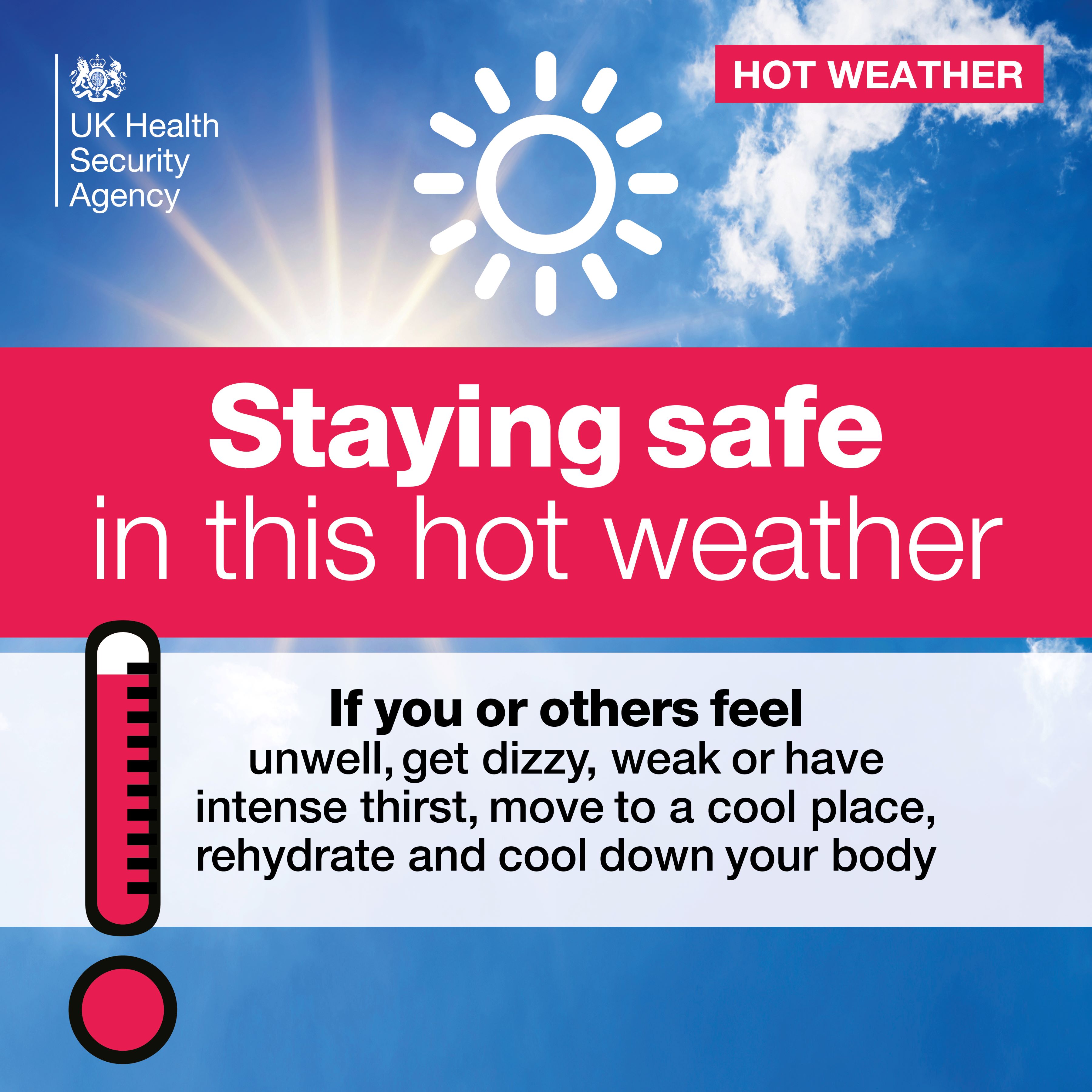
At this stage, your core body temperature is elevated (typically between 100°F and 104°F). Heat exhaustion requires immediate aggressive intervention: moving into air conditioning, applying cool damp cloths to skin, and sipping electrolyte-rich liquids. If left untreated, heat exhaustion can cascade into heat stroke within 30 minutes.
3. Heat Stroke: The Point of No Return
Heat stroke is a medical emergency with a high mortality rate. At this stage, core body temperature spikes above 104°F (40°C), initiating cellular necrosis. Proteins within cells begin to denature, much like an egg white turning opaque as it cooks.
Key warning signs include confusion, slurred speech, agitation, seizures, and loss of consciousness. Contrary to popular belief, a person suffering from heat stroke may still be sweating, particularly if the onset was rapid or induced by exertion. Once neurological dysfunction appears, call 911 immediately. Every minute of delay drastically increases the likelihood of permanent brain, kidney, and liver damage.
Hidden Vulnerabilities: Who Is at Highest Risk?
While extreme heat can topple elite athletes, specific biological factors heighten vulnerability significantly:
- Age Extremes: Infants have an underdeveloped thermoregulatory system, while older adults produce less sweat, have altered thirst perception, and frequently possess less vascular compliance.
- Prescription Medications: Anticholinergics and antihistamines suppress sweating. Beta-blockers limit the heart’s ability to beat fast enough to sustain vasodilation. Diuretics accelerate dehydration, while ACE inhibitors disrupt renal fluid balance.
- Urban Heat Islands: Concrete, asphalt, and tall buildings absorb solar radiation during daylight hours and release it at night. When overnight temperatures fail to drop below 75°F (24°C), the body never gets an opportunity to reset its core temperature, causing cumulative cellular fatigue.
Proactive Defense Protocols During a Heat Alert
Surviving severe heatwaves requires structured behavioral adjustments rather than passive reliance on thirst:
- Pre-Hydrate with Electrolytes: Do not rely solely on plain water. Drinking gallons of unsupplemented water when sweating heavily risks hyponatremia (water intoxication), which can cause brain swelling. Combine water with mineral-rich broths, electrolyte powders, or foods high in potassium and sodium.
- Cool the Arterial Pulse Points: If air conditioning is unavailable, submerge your hands and feet in cool water, or apply cold packs to the groin, armpits, and neck. These zones feature major arteries positioned close to the skin, cooling the blood circulating back toward the heart.
- Shift Physical Demands: Reschedule outdoor tasks to early morning hours before solar radiation peaks. Avoid activity between 11:00 AM and 5:00 PM, when solar radiation and ambient temperatures combine to create peak thermal loads.
- Track Urine Output and Color: Infrequent or dark amber urination indicates acute cellular dehydration. Aim for pale straw-colored urine throughout the day.
Heat advisories are not abstract weather statistics; they represent an objective biological limit. When your region triggers an alert this summer, respect the warning. Lower your exertion, cool your environment, and respond to early physical signals before your internal systems reach their breaking point.