TIAA Create Login: Is This Feature a Hidden Danger?
When managing retirement accounts with financial giants like TIAA (Teachers Insurance and Annuity Association of America), security is naturally a top priority. Account holders trust these institutions to safeguard hundreds of thousands—sometimes millions—of dollars earned over a lifetime. However, online portals are constant targets for cybercriminals looking for structural loopholes. Recently, questions have been raised about the TIAA create login process and whether specific onboarding features might expose users to unforeseen risks.
Understanding how account registration works, where vulnerabilities typically hide, and how to harden your personal defenses is essential. Below, we break down whether this feature poses a genuine threat, how account creation mechanisms function, and what you can do to keep your nest egg secure.
How the TIAA Create Login Feature Works
To access your retirement plans, annuities, or brokerage accounts online, TIAA requires you to go through an initial registration process. This involves verifying your identity using sensitive personal data, such as your Social Security Number (SSN), date of birth, and account or contract numbers.
The "create login" portal acts as the digital gateway for new users or those who have never managed their accounts online. While it is designed to be user-friendly, the convergence of high-value targets and initial data-entry points creates a focal point for malicious actors.
The Appeal to Cybercriminals
Retirement accounts are lucrative targets for hackers. Unlike checking accounts, which often feature real-time fraud monitoring and daily transaction limits, retirement accounts are frequently viewed as "set-it-and-forget-it" assets. An attacker who successfully compromises a retirement portal may have months to execute fraudulent rollovers, distributions, or asset liquidations before the account holder notices.
Because of this high payout, cybercriminals constantly probe financial institution websites for flaws in user authentication, password recovery, and account creation workflows.
Is TIAA Create Login a Hidden Danger?
The short answer is no—the feature itself is not inherently malicious or broken. Standard banking and financial protocols require a mechanism for new users to register their profiles. However, the process of creating a login can expose vulnerabilities if certain conditions are met.
The hidden danger does not typically lie within TIAA's code itself, but rather in the intersection of user behavior, data breaches, and social engineering. Here is how risks manifest during account creation:
- Credential Stuffing and Data Breaches: Because billions of personal records have leaked in third-party data breaches, hackers often have access to a user's name, SSN, and date of birth. If an attacker has these details, they might attempt to use the TIAA create login portal to register an account that rightfully belongs to someone else, assuming the victim hasn't already done so.
- Phishing Replicas: Fraudsters frequently create lookalike websites that mimic the TIAA login and registration pages. When an unsuspecting user attempts to create a login or verify their identity on a fake site, they hand their credentials and sensitive PII (Personally Identifiable Information) directly to the attacker.
- Weak Initial Authentication Standards: If an account creation process relies solely on static data (like an SSN and birthdate) that is easily accessible on the dark web, it can lead to unauthorized account takeovers before the legitimate owner ever logs in.
Recognizing Warning Signs and Phishing Traps
Protecting yourself begins with recognizing how bad actors manipulate the account creation narrative. Phishing emails are the primary vector for driving users to fraudulent registration pages.
Attackers often send urgent emails claiming that your retirement account has been suspended, requiring you to "re-verify your identity" or "set up your new portal credentials immediately." These messages contain links that lead to malicious domains designed to mimic TIAA's official infrastructure.
Red Flags to Watch For
- Unsolicited Registration Prompts: Receiving an email prompting you to create or reset your login when you have not initiated the request.
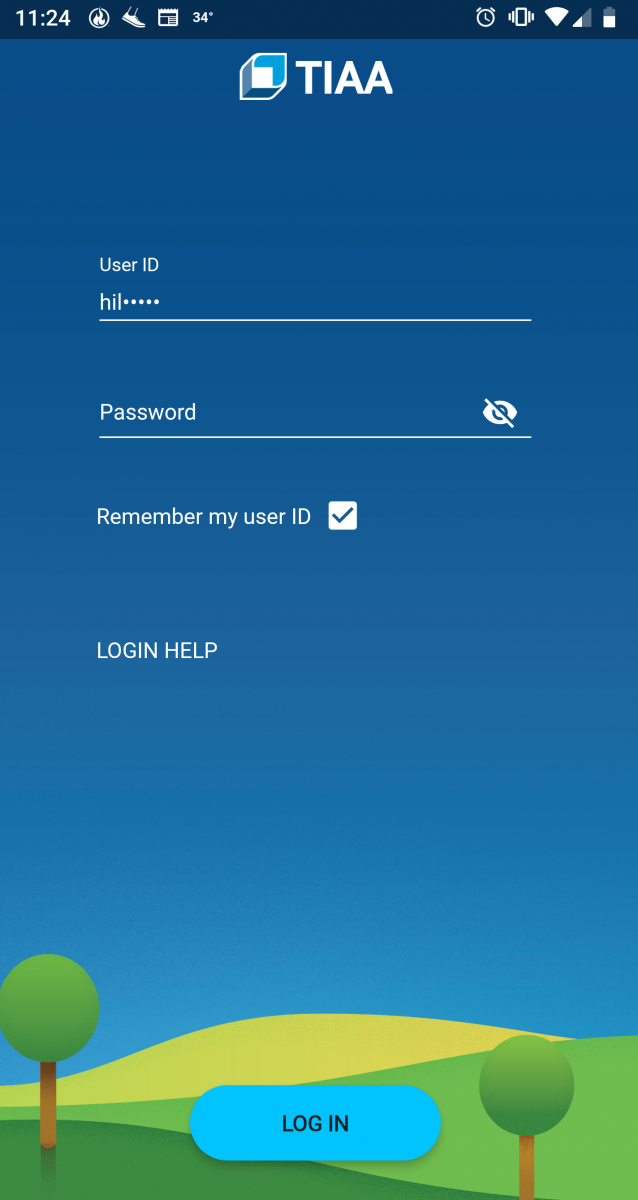
- Suspicious URLs: Always check the browser address bar. Official TIAA pages will always use the official domain structure (e.g., tiaa.org). Watch out for slight misspellings, hyphenated domains, or strange top-level domains.
- Requests for Excessive Information: While legitimate initial registration requires identity verification, be wary of prompts asking for PINs, full banking passwords, or multi-factor authentication codes over email or phone.
Best Practices to Secure Your TIAA Account
Fortunately, you do not need to live in fear of online portals. By adopting proactive digital hygiene, you can neutralize most risks associated with account creation and management.
1. Claim Your Account Early
One of the most effective ways to prevent an identity thief from exploiting the TIAA create login feature is to set up your online profile yourself—before a fraudster tries to do it for you. If you already have a retirement plan sponsored by your employer, register your online account immediately, even if you do not plan to check it frequently.
2. Enable Multi-Factor Authentication (MFA)
Never rely on a password alone. Ensure that multi-factor authentication is enabled on your TIAA account. Whether it is an SMS code, an authenticator app, or email verification, MFA adds a vital second layer of defense that stops unauthorized users even if they manage to guess or steal your primary password.
3. Use Strong, Unique Passwords
Never reuse passwords across financial accounts. If a retail website or forum you use is compromised, hackers will immediately test those same credentials against major financial institutions. Utilize a reputable password manager to generate and store a complex, randomized password for TIAA.
4. Regularly Monitor Your Statements
Make a habit of reviewing your paper or electronic statements quarterly. Look for unexpected address changes, unfamiliar beneficiary updates, or unauthorized asset movements. Early detection is your best defense against financial fraud.
Conclusion
The TIAA create login feature is a necessary tool for managing your financial future, not a malicious trap. However, the digital landscape is fraught with risks, and retirement accounts remain prime targets for cybercriminals. By understanding how account registration vulnerabilities work, staying vigilant against phishing scams, and locking down your profile with strong authentication practices, you can safely navigate online financial portals and protect your hard-earned retirement assets.