TikTok Montgomery Brawl: The Viral Event Explained
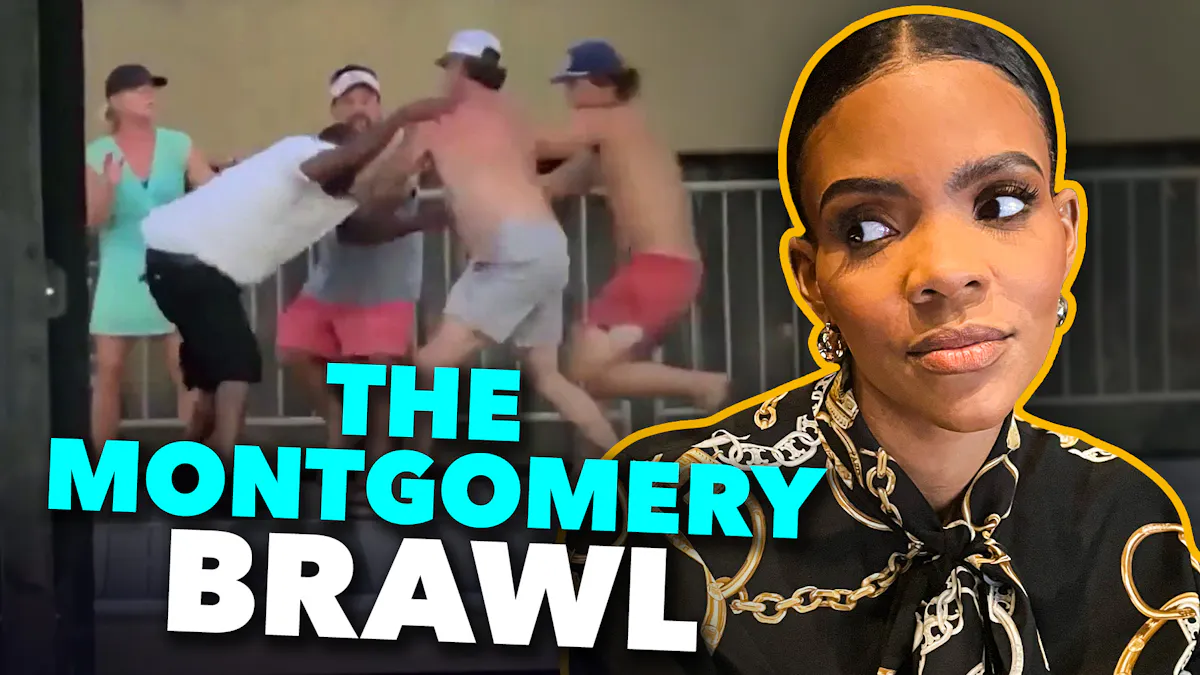
On August 5, 2023, an altercation at Riverfront Park in Montgomery, Alabama, quickly evolved from a local waterfront dispute into a global internet phenomenon. Within hours, clips labeled the tiktok montgomery brawl dominated algorithms worldwide, racking up hundreds of millions of views across multiple social platforms. What made the incident unique was not just the dramatic clash itself, but how high-definition smartphone cameras captured the event from almost every conceivable vantage point, turning a real-life confrontation into one of the most dissected cultural moments of the year.

The Spark: What Happened at the Montgomery Riverfront?
The conflict began late on a Saturday afternoon when the Harriot II, a 227-passenger municipal riverboat offering scenic cruises along the Alabama River, attempted to return to its designated berth at Riverfront Park. The ship’s assigned docking space was blocked by a private pontoon boat.
According to maritime officials and witness accounts, the riverboat’s captain spent roughly 45 minutes using the ship’s public address system to request that the pontoon owners move their vessel so the riverboat could safely disembark hundreds of waiting passengers. The pontoon owners refused, responding with dismissive gestures and verbal insults.
To resolve the stalemate, the Harriot II dispatched a small skiff carrying co-captain and veteran deckhand Damien Pickett to the dock. Pickett attempted to peacefully untie the pontoon boat just enough to allow the massive riverboat to pull in. Instead, he was confronted by members of the pontoon party. Despite Pickett’s attempts to defuse the situation, several men swarmed and attacked him, throwing him to the ground and sparking a sprawling confrontation.
The Anatomy of the Viral Video
Unlike historical street conflicts that rely on conflicting eyewitness testimony, the brawl played out in broad daylight before hundreds of onlookers equipped with smartphones. Two primary factors catapulted the incident into a digital sensation:
- Multi-Angle Cinematography: Passengers aboard the top deck of the Harriot II had an elevated, stadium-style view of the pier, while pedestrians on the boardwalk filmed from ground level. As a result, viewers online could track the altercation from wide-angle establishing shots to intimate, close-up POVs.
- Unexpected Cinematic Beats: The confrontation featured narrative twists that seemed scripted for viral distribution. Viewers watched fellow workers rush to Pickett’s defense, culminating in a 16-year-old crew member named Aaren diving into the river from the vessel and swimming across the inlet to assist his co-worker—an act that earned him the viral moniker "Aquaman."
Why the TikTok Montgomery Brawl Took Over Feeds
Social media algorithms reward rapid engagement, high completion rates, and remixability. The footage checked every algorithmic box, spawning an entire subculture of digital content that lasted for weeks.
1. The White Folding Chair as an Instant Cultural Symbol
In the latter half of the brawl, a bystander named Reggie Gray wielded a white plastic folding chair in defense of the dock workers. The visual was arresting, immediate, and instantly recognizable. Within 24 hours, the chair became a universal meme on TikTok. Users created 3D models, produced miniature keychains, choreographed reenactments, and incorporated folding chairs into comedy sketches and workout routines.

2. Parody Soundtracks and Musical Remixes
TikTok creators immediately began stripping the original audio and setting the footage to dramatic scores, classic hip-hop anthems, and custom country tracks. Songs like "Lift Every Voice and Sing" and various fast-paced trap beats were synced precisely to punches, chair swings, and the moment Pickett tossed his cap into the air—a gesture that users playfully dubbed "activating the signal."
3. Historical and Cultural Resonance
Beyond humor, the video struck a deep chord because of its setting. Montgomery, Alabama, was the cradle of the Confederacy and later the birthplace of the modern Civil Rights Movement, famously defined by the Montgomery Bus Boycott. For many Black viewers across TikTok, the visual of a Black service worker being attacked by an aggressive group, followed by a swift, collective defense by Black onlookers and colleagues, carried profound symbolic weight.
The Legal Aftermath and Real-World Consequences
While social media celebrated the event through humor, law enforcement in Montgomery treated the matter with strict legal scrutiny. Montgomery Police Chief Darryl J. Albert held a detailed press conference to outline charges and review the evidence gathered from public videos.
Authorities quickly clarified that although the racial imagery was prominent, investigators and the FBI found insufficient evidence to file federal hate crime charges. Instead, local misdemeanor assault charges were pursued against the primary instigators:
- Richard Roberts: Charged with two counts of third-degree assault.
- Allen Todd: Charged with one count of third-degree assault.
- Zachery Shipman: Charged with one count of third-degree assault.
- Mary Todd: Charged with third-degree assault after footage showed her involvement in the scrum.
Reggie Gray, the man seen wielding the folding chair, turned himself in to authorities shortly after the incident and was charged with disorderly conduct. Legal proceedings throughout late 2023 and early 2024 resulted in fines, probation, and community service for several of the participants, closing the official legal chapter of the brawl.
The Digital Legacy of the Montgomery Brawl
The incident remains a textbook case study in modern internet culture. It illustrated how decentralized video documentation can bypass traditional news cycles to establish a shared cultural moment in real time. Rather than letting the incident fade as an obscure local dispute, social media users transformed it into an enduring blend of accountability, modern folklore, and digital satire.