Timely Filing Made Easy for Busy Moms
Taking Control of Family Paperwork

Between school drop-offs, meal planning, work commitments, and managing family schedules, mothers carry a mental load that rarely pauses. Add a stack of medical bills, explanation of benefits (EOBs) forms, and insurance claims to the mix, and it is easy to feel entirely overwhelmed. When deadlines loom, paperwork gets buried under homework and grocery lists. However, managing your family's healthcare administrative tasks does not have to consume your life. With a few intentional systems, timely filing made easy for busy moms is entirely achievable.
Healthcare providers and insurance companies enforce strict deadlines for claim submissions, appeals, and payments. Missing these windows can result in denied claims and unexpected out-of-pocket expenses. By adopting streamlined habits, you can protect your family's budget and reclaim your precious time.
Understanding Why Timely Filing Matters
Before diving into organizational tactics, it helps to understand the stakes. Insurance companies operate on a contractual timeline known as the timely filing limit. This is the window—typically ranging from 90 to 365 days from the date of service—during which a healthcare provider must submit a claim to your insurance carrier.
If the provider misses this window, the insurance company legally denies payment, and under most provider contracts, you cannot be billed for the balance. However, if the delay is caused by missing information from you—such as failing to update your insurance card at the front desk—the financial responsibility can fall squarely on your shoulders. Staying proactive prevents these costly oversights.
Step-by-Step Strategies for Timely Filing Made Easy for Busy Moms
You do not need an entire home office or hours of free time to get organized. You simply need a reliable workflow that integrates into your existing routine. Here is how to set it up.
1. Establish a Dedicated Landing Zone
Paper clutter multiplies the moment it enters the house. Designate one specific spot for all incoming medical mail, bills, and insurance documents.
- Use a colorful desktop accordion folder labeled with categories: 'To Review,' 'Pending Insurance,' 'To Pay,' and 'Archived.'
- Never leave mail on the kitchen island or entryway table where it can get lost or ruined by spills.
- If you prefer going paperless, set up a dedicated digital folder in your cloud storage and immediately scan physical mail using your smartphone.
2. Schedule a Weekly 'Admin Date'
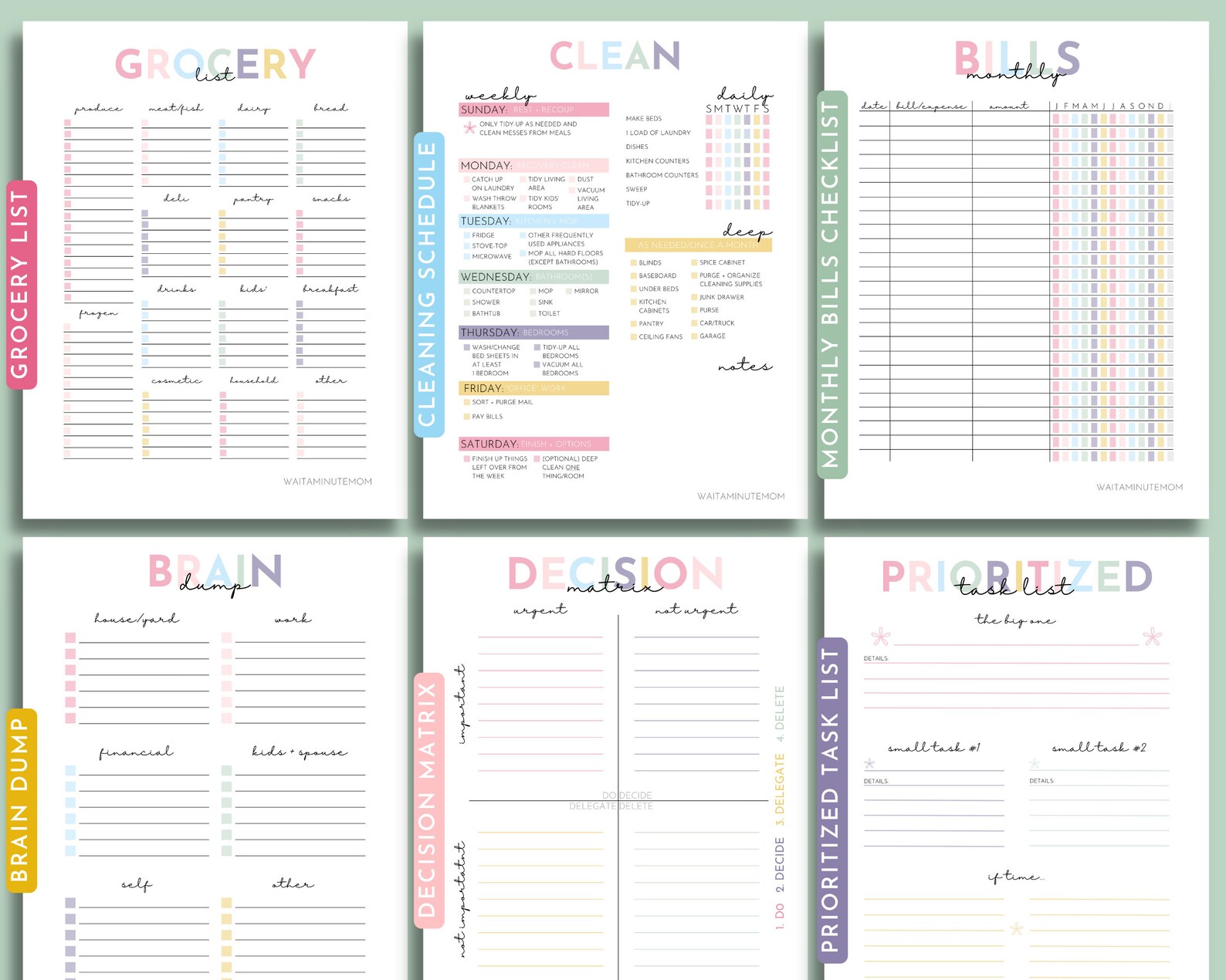
Trying to tackle bills and insurance forms as they arrive is a recipe for burnout. Instead, batch these tasks into a single weekly appointment with yourself.
- Block out 20 to 30 minutes once a week—perhaps during a child's naptime or right after Sunday evening dinner.
- Treat this time as non-negotiable. Put it on your shared family calendar.
- During this session, open mail, match bills to their corresponding EOBs, and make any necessary phone calls or online payments.
3. Leverage Digital Tools and Apps
Technology is a busy mom's best friend. Take advantage of patient portals and insurance apps to cut down on physical paperwork.
- Download the mobile apps for your family’s primary healthcare networks, pediatricians, and insurance providers.
- Opt-in to paperless billing and email notifications so you receive alerts the moment a statement is generated.
- Use your phone’s calendar app to set reminder alerts 15 days before any major bill is due or an appeal deadline arrives.
Handling Complex Claims and Disputes
Sometimes, a bill arrives with an error, or an insurance claim is unfairly denied. When this happens, a methodical approach prevents frustration.
Keep a Communication Log
When you call an insurance company or doctor's billing office, details matter. Always write down the date, time, representative's name, reference number, and a brief summary of what was discussed. If a dispute arises over timely filing, this log serves as your proof of compliance and diligent follow-up.
Know When to Ask for Help
If a medical bill is astronomical or a claim has bounced back and forth between the provider and insurer for months, do not hesitate to ask for a patient advocate. Many hospital networks have financial navigators whose job is to help families untangle billing errors and secure coverage adjustments.
Building Long-Term Habits
Once you implement these foundational steps, consistency becomes second nature. The key is to keep your system simple. If a filing method feels too complicated, you will naturally abandon it during a busy week. Celebrate small wins, like clearing out your folder or successfully disputing an incorrect charge. By taking charge of your family's administrative health today, you create more space for the moments that truly matter.