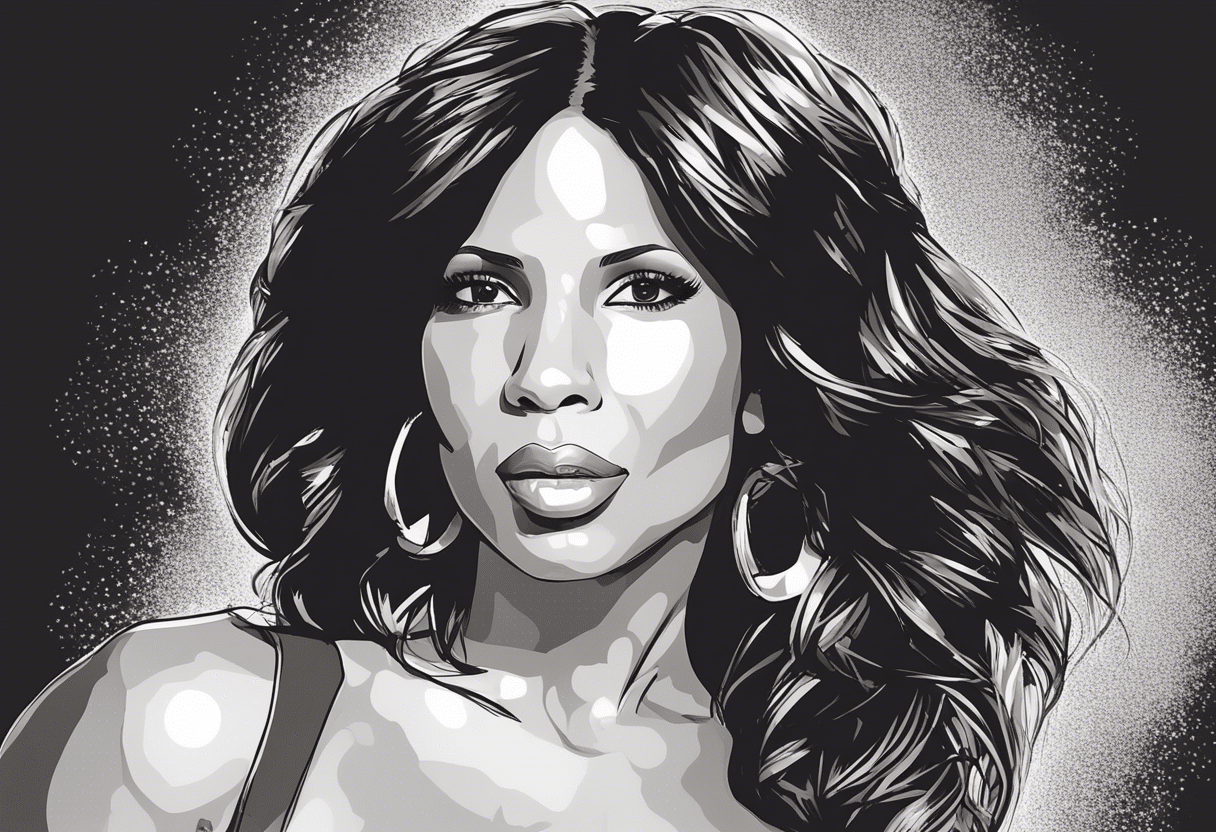
Toni Braxton's Net Worth: Solving the $100M Puzzle
Introduction: The Complex Reality of Celebrity Wealth

When fans think of R&B royalty, Toni Braxton is undoubtedly near the top of the list. With a distinct, smoky contralto voice and timeless ballads like 'Un-Break My Heart' and 'Breathe Again,' she defined the sound of the 1990s. Yet, for decades, public fascination has extended beyond her chart-topping singles to her turbulent financial life. Fans and financial analysts alike have long tried to solve The $100 Million Puzzle: How Toni Braxton’s Net Worth Fits!
On paper, an artist with over 70 million records sold, multiple Grammy Awards, and global tours should effortlessly command a nine-figure fortune. However, Braxton’s financial history is a dramatic narrative of extraordinary earnings, debilitating record contracts, health struggles, and high-profile bankruptcies. Understanding her true financial standing requires looking past the tabloid headlines to examine how modern music industry economics, royalties, and sheer resilience intersect.
The Peak Years and the Trap of Major Record Deals
To understand Toni Braxton's financial trajectory, we must travel back to the 1990s when she signed with LaFace Records, founded by L.A. Reid and Kenneth 'Babyface' Edmonds. Her 1993 self-titled debut album was an absolute juggernaut, selling millions of copies and winning three Grammy Awards. Her 1996 follow-up, Secrets, catapulted her into global superstardom.
However, massive record sales do not automatically translate to massive personal wealth for the artist, especially under 1990s recording contracts. New artists often sign deals that heavily favor the label, leaving them with small royalty percentages after recouping recording costs, video production budgets, and promotional tours.
The First Bankruptcy (1998)
Despite selling tens of millions of albums, Braxton shocked the music world in 1998 by filing for Chapter 7 bankruptcy. At the time, she reported assets of roughly $5 million against debts exceeding $50 million. The primary culprits included:
- Extremely unfavorable royalty splits from her record label.
- High personal living expenses scaled to anticipated future earnings rather than cash in hand.
- Legal battles and disputes over contract terms that froze her ability to earn recording income.
This early setback proved that initial fame is rarely a guarantee of long-term security, setting the stage for a lifelong lesson in business management.
Rebuilding and Resurgence in the 2000s
True to her resilient nature, Braxton did not let bankruptcy define her career. She returned to the studio and released her third studio album, The Heat, in 2000. The lead single, 'He Wasn't Man Enough,' became a massive radio hit, proving her staying power and generating fresh revenue streams through global touring.
During this period, she also broke new ground in entertainment by securing a landmark residency in Las Vegas. Her shows at the Flamingo Las Vegas were massive commercial successes, grossing tens of millions of dollars and establishing the blueprint for contemporary R&B residencies on the Strip. This consistent live-performance revenue helped stabilize her personal balance sheet and allowed her to regain financial footing.
Health Challenges and the Second Bankruptcy (2010)
Just as her finances began to stabilize, Braxton faced severe health hurdles. She was diagnosed with systemic lupus erythematosus, an autoimmune disease that forced her to frequently cancel performances and eventually prompted her to temporarily retire from touring. Without the ability to perform live—historically her most lucrative income source—her financial pressures mounted.

In 2010, Braxton filed for bankruptcy a second time, estimating her liabilities between $10 million and $50 million. This filing listed debts owed to the IRS, various hotels, and medical providers. For many artists, a second bankruptcy would spell the permanent end of their commercial viability. For Braxton, it marked a turning point toward ultimate financial literacy and control.
Diversifying Revenue: Reality TV, Acting, and Broadway
To overcome her financial setbacks, Braxton expanded her portfolio beyond traditional music sales. She realized that modern celebrity wealth requires diversification across multiple entertainment mediums.
The Success of 'Braxton Family Values'
In 2011, Toni and her sisters launched the hit WE tv reality series Braxton Family Values. The show ran for seven successful seasons, providing a steady, high-paying income stream that introduced her to a new generation of fans while repairing her public profile.
Broadway and Acting Ventures
Braxton also leveraged her star power on the stage. She made history as the first Black woman to star in a lead role in a Disney Broadway production when she played Belle in Beauty and the Beast. She later starred in Aida, commanding significant weekly salaries that added stability to her wealth accumulation.
Estimating Toni Braxton’s Current Net Worth
Today, financial trackers estimate Toni Braxton’s net worth to be in the range of $10 million to $40 million. While this figure falls short of the speculative nine-figure heights some fans associate with legendary superstars, it represents a hard-fought, stable fortune built on smart investments, ongoing publishing residuals, and lucrative touring ventures.
Her current wealth stems from several key pillars:
- Catalog Royalties: Ongoing streaming revenue and synchronization licenses for her extensive 90s and 2000s catalog.
- Live Touring: Periodic, high-ticket concert tours and international dates that command premium pricing.
- Television Production: Earnings from executive producing and starring in reality television and Lifetime movie projects.
Conclusion: Lessons from a Financial Journey
Toni Braxton’s financial story is much more than a tale of numbers; it is a masterclass in perseverance, financial reinvention, and industry navigation. While solving the puzzle of celebrity net worth is never straightforward—accounting for taxes, management fees, and lifestyle costs—Braxton has successfully transformed past vulnerabilities into enduring strength.
By shedding bad contracts, embracing reality television, returning to the stage on her own terms, and prioritizing her health, she has secured her legacy not just as a vocal titan, but as a resilient businesswoman who mastered the art of the comeback.