Top 10 Natal Chart Compatibility Rules for Couples
Decoding Astrological Synergy

Astrology has fascinated lovers for centuries, offering a celestial mirror to human relationships. While sun sign horoscopes provide a fun, surface-level glance at romance, true astrological compatibility goes much deeper. By comparing two individual birth charts—a practice known in astrology as synastry—you can uncover the hidden mechanics of your relationship. Whether you are navigating early dating jitters or years of marriage, understanding the top 10 natal chart compatibility rules every couple should follow can help you decode your dynamic, smooth out friction points, and appreciate your partner's unique emotional wiring.
1. Evaluate the Sun-Moon Aspects
In any romantic connection, the Sun and Moon represent the core ego and the emotional inner self, respectively. When evaluating a birth chart match, look for harmonious aspects (trines and sextiles) between one person's Sun and the other's Moon. This dynamic creates a natural flow of understanding. The Sun person feels seen and validated by the Moon person's warmth, while the Moon person feels supported by the Sun's steady vitality. Even challenging aspects like squares can work if both partners are willing to compromise, but a Sun-Moon link is often the glue that holds a bond together.
2. Check Mercury for Communication Styles
Misunderstandings are the number one cause of relationship stress. Mercury rules how we think, process information, and communicate. If your Mercury signs clash or form harsh squares, you might find yourselves frequently talking past each other or misinterpreting tone. Ideally, you want your Mercury placements to sit in compatible elements—such as two water signs or a water and an earth sign. This ensures that whether you are brainstorming financial goals or discussing feelings, your cognitive wavelengths operate on a similar frequency.
3. Honor Venus for Love Languages
Venus dictates how we give and receive affection, what we find aesthetically pleasing, and what we value in romance. A Venus-Venus connection in synastry is a massive indicator of romantic harmony. If your Venus signs are compatible, your innate love languages will align effortlessly. For instance, a Venus in Taurus partner who values physical touch and stability will easily understand a Venus in Cancer partner who expresses love through nurturing acts and emotional safety. Discrepancies here do not spell doom, but they do require conscious effort to bridge the gap.
4. Understand Mars for Passion and Conflict
Mars governs drive, ambition, physical energy, and how we express anger. This is the planet that fuels both your bedroom chemistry and your arguments. Harmonious Mars aspects create incredible passion and mutual motivation. However, if your Mars placements form a harsh square or opposition, you may experience frequent power struggles or vastly different paces in daily life. One partner might want to rush into action while the other prefers to deliberate. Recognizing this rule helps couples turn potential brawls into productive teamwork.
5. Look at the Ascendant (Rising) for Instant Chemistry
The Ascendant, or Rising sign, represents your social mask, physical appearance, and how you initially present to the world. When one person's Ascendant forms a conjunction with the other person's Sun, Moon, or Venus, it often triggers immediate physical attraction and a sense of familiarity. It is the cosmic equivalent of love at first sight. This placement ensures that you not only love who your partner is on the inside, but you also genuinely enjoy their physical presence and presentation.
6. Assess Saturn for Long-Term Staying Power
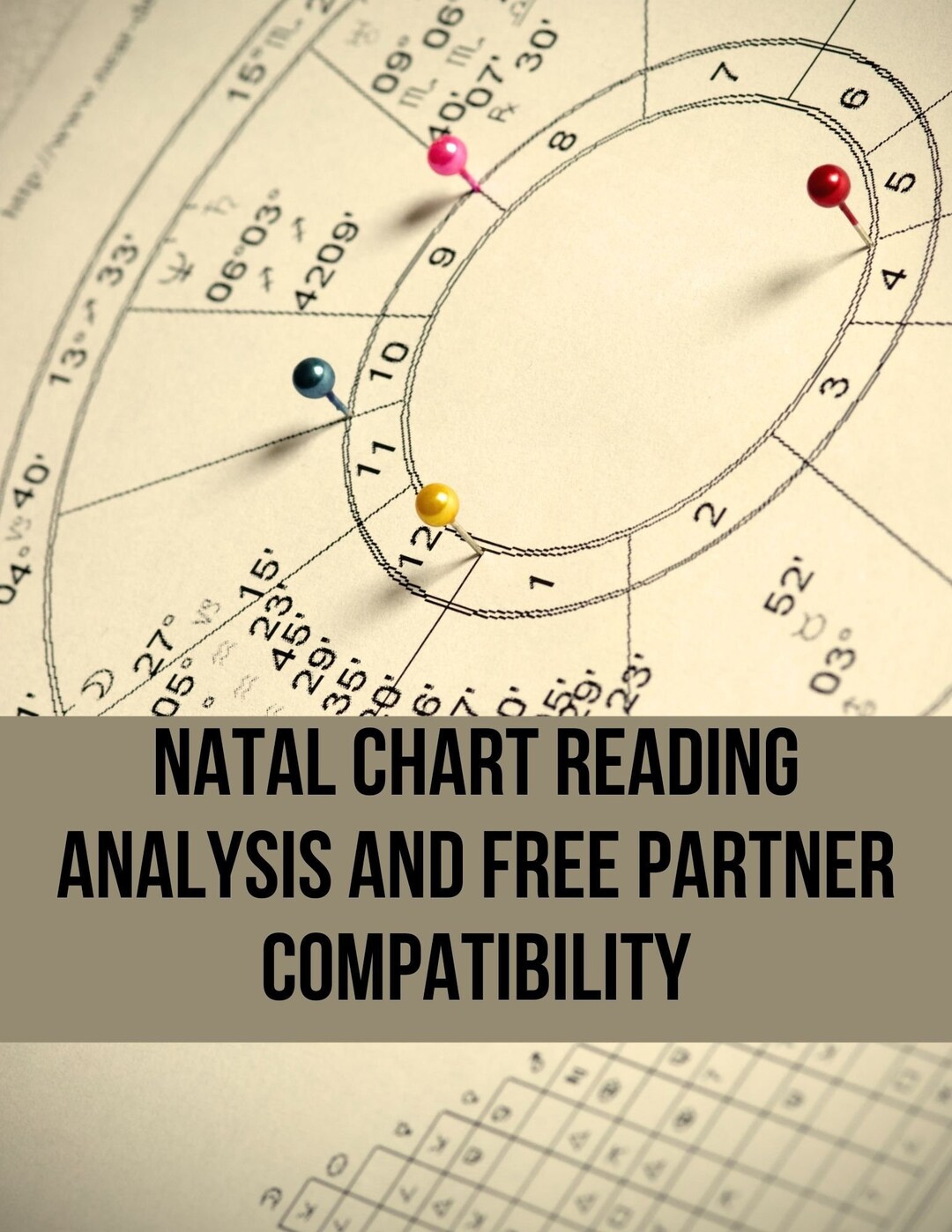
While Venus and Mars handle the sparks, Saturn handles the mortar and bricks of a relationship. Saturn is the planet of karma, responsibility, and structure. In synastry, when someone's Saturn touches personal planets in their partner's chart, it indicates a deep sense of commitment, loyalty, and karmic destiny. Without strong Saturn contacts, relationships might burn bright and fast but lack the structural endurance required for marriage, cohabitation, or building a family together.
To build lasting stability, pay attention to these structural elements:
- Saturn-Sun: Provides mutual respect, longevity, and a sense of duty toward one another.
- Saturn-Moon: Offers profound emotional security, though the Saturn person must avoid acting overly critical toward the Moon person.
- Saturn-Venus: Indicates a serious, devoted commitment where both partners take their financial and romantic obligations seriously.
7. Check the Outer Planets for Transformational Growth
Uranus, Neptune, and Pluto move slowly, affecting entire generations, but where they fall in your partner's chart matters immensely. Outer planet contacts can feel intense and fey. Pluto touches bring deep psychological transformation and undeniable magnetism, while Neptune touches evoke romantic idealism and spiritual bonding. Uranus brings excitement and unpredictability. While these connections can sometimes feel overwhelming, they prevent stagnation and push both individuals to evolve.
8. Examine the 7th House Overlays
In astrology, the 7th house is the traditional house of marriage, open enemies, and committed partnerships. When your partner's planets land in your 7th house (and vice versa), they activate your natural relationship zone. For example, if your partner's Jupiter or Venus falls in your 7th house, you naturally view them as an ideal partner and bring out the best in one another. This overlay creates an innate desire to merge lives and form a legal or spiritual partnership.
9. Respect Individual Autonomy
A golden rule of synastry is that great compatibility does not erase individual identity. Even the most harmonious birth charts feature challenging aspects. Astrology highlights where you will naturally flow and where you will need to apply effort. Avoid treating a difficult astrological aspect as a death sentence for your relationship. Instead, view your chart as an owner's manual. Knowing where your friction points lie allows you to approach arguments with empathy, humor, and self-awareness rather than blame.
10. Focus on the Composite Chart
Beyond synastry—which compares two separate charts—advanced astrologers look at the composite chart, which calculates the midpoint between two birth dates and times to create a single chart for the relationship itself. The composite chart represents the "entity" of the couple. Analyzing the composite Sun, Moon, and Ascendant reveals the shared purpose, collective emotional climate, and public identity of your partnership. Following this final rule ensures you nurture the relationship as its own living, breathing dynamic.
Building a Harmonious Future Through Astrology
Astrology is not designed to dictate who you should love; rather, it is a tool for radical self-awareness and deeper empathy. By studying these ten natal chart compatibility rules, you can move past superficial judgments and embrace the rich, complex tapestry of your partnership. Use these insights not as a rigid rulebook, but as a compass to guide you through the beautiful, ongoing journey of building a conscious, loving relationship.