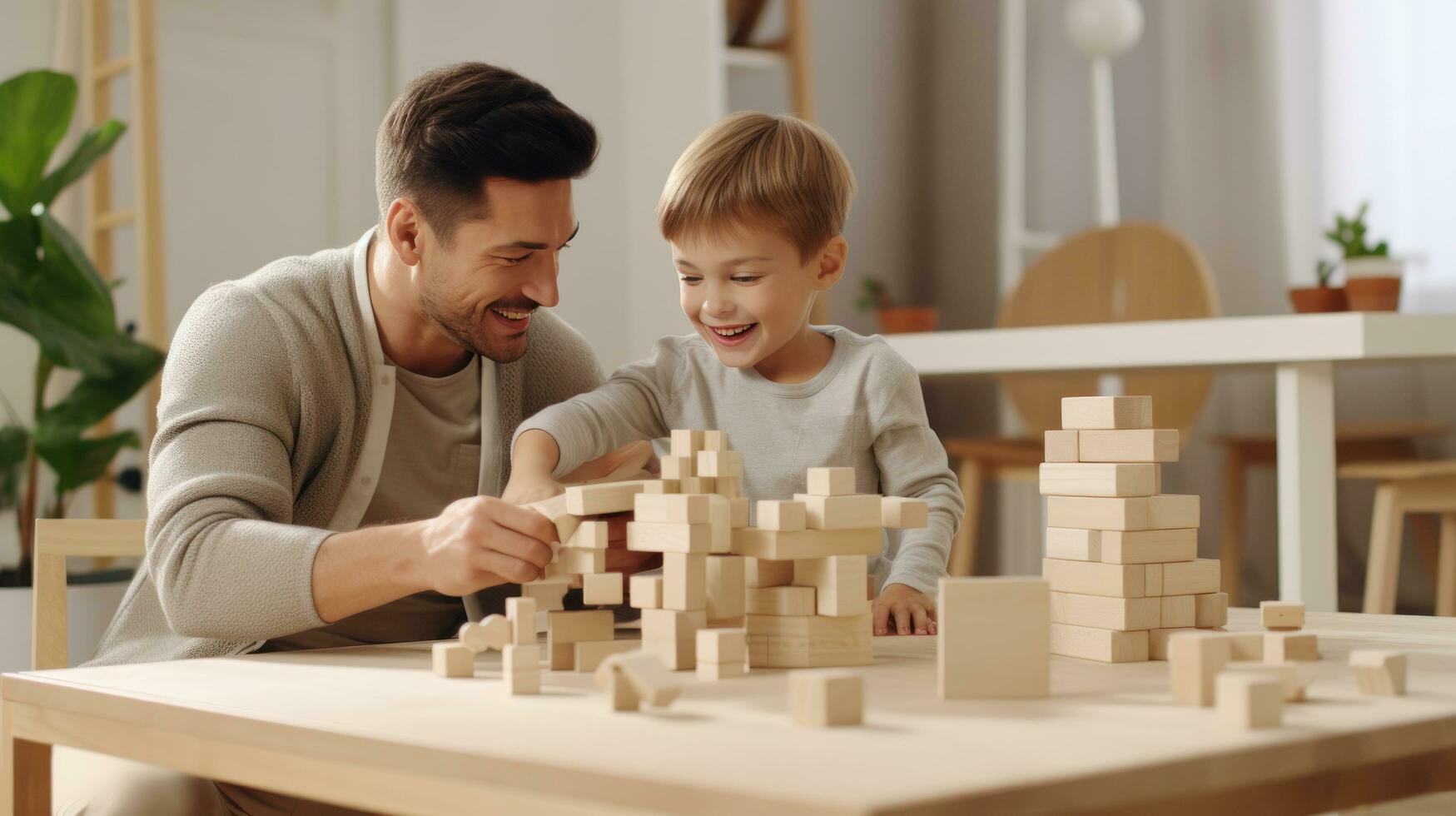
Top Activities for Adults and Kids to Do Together
Finding leisure activities that offer genuine, uncompromised entertainment for adults and kids often feels like walking a tightrope. Too often, family time devolves into a compromise where one generation is bored or the other is overwhelmed. Adults find themselves feigning enthusiasm for repetitive toddler games, while children grow restless during outings that lean too mature.

True multi-generational engagement happens when an activity features a low barrier to entry alongside genuine depth or novelty. Whether you are planning a rainy weekend, a family reunion, or a casual evening at home, here are proven, creative activities designed to keep both grown-ups and young minds fully immersed.
Modern Board Games That Ditch the Boredom
Forget the endless, luck-driven loops of Monopoly or Candyland. The modern tabletop renaissance has yielded strategic, visually stunning games that level the playing field between seasoned adult minds and clever kids.
- Kingdomino: A clever twist on classic dominoes where players draft tiles to build a 5x5 kingdom. It teaches spatial planning and basic multiplication, yet offers enough tactical tension to satisfy competitive adults.
- Dixit: A beautifully illustrated storytelling card game that relies on imagination, poetic hints, and deduction rather than rigid rules. Children often excel at Dixit because their lateral thinking easily rivals adult logic.
- Ticket to Ride (First Journey or Standard): While younger children thrive on the streamlined First Journey edition, kids aged eight and up can easily handle the standard version, collecting train cards to claim railway routes across the map.
- Outfoxed!: A cooperative deduction game where players work together as detectives to find a guilty fox before it escapes. Unlike competitive games that can end in tears, cooperative mechanics unite all ages toward a shared victory.
Hands-On Kitchen Projects for Adults and Kids
Cooking with kids is frequently relegated to measuring flour for pre-boxed brownies, but treating the kitchen as a culinary lab creates a much richer experience. The goal is to choose recipes with distinct, engaging tactile steps that don't depend entirely on adult knife skills.
Artisan Flatbreads and Personal Pizzas
Dough preparation is the ultimate sensory activity. Adults can supervise the yeast proofing and temperature control, while kids measure, stir, and knead. Setting up a topping station with fresh herbs, diverse cheeses, roasted garlic, and cured meats allows everyone to customize their dinner. Adults can experiment with sophisticated flavor profiles like fig and prosciutto, while kids can build classic favorites.
Homemade Fresh Pasta
Making pasta from scratch transforms dinner into an interactive workshop. Using a manual crank pasta machine is safe, tactile, and endlessly fascinating for children, who love watching flat sheets of dough transform into strands of fettuccine. Adults get to master the technique of dough hydration and texture, yielding a restaurant-quality meal at the end.
Active Outdoor Adventures with Real Thrills
Physical activities offer a natural bridge across age gaps, provided they incorporate discovery and exploration rather than rigid athletic drills.

Real-World Treasure Hunting: Geocaching
Geocaching turns any ordinary hike or city walk into a global scavenger hunt. Using a free smartphone app with GPS navigation, families track down hidden containers (caches) tucked into tree hollows, urban nooks, or park boundaries. Children love the thrill of finding small trinkets to swap, while adults appreciate the navigational challenge and the discovery of unfamiliar local spots.
Bouldering and Climbing Gyms
Modern climbing gyms are engineered for all skill levels. Because climbing routes are color-coded by difficulty, an adult and an eight-year-old can climb side-by-side on the same wall, each tackling a challenge calibrated to their specific reach and strength. Climbing builds confidence, core stability, and problem-solving skills without requiring prior athletic experience.
Disc Golf
Unlike traditional golf, which carries high equipment costs and steep etiquette barriers, disc golf is accessible, casual, and widely available in public parks for free. The learning curve is gentle: throwing a frisbee is an intuitive skill most kids already understand. Adults can focus on disc dynamics and fairway flight lines, while children enjoy walking through scenic courses and aiming for the metal catch baskets.
Creative Tech and Maker Projects
When screen time becomes active creation rather than passive consumption, technology becomes a powerful medium for collaborative fun.
- Stop-Motion Animation: Using a smartphone, a cheap tripod, and free stop-motion apps, you can produce mini-movies using clay, LEGO figures, or paper cutouts. Adults can help with lighting and storyboard pacing, while kids direct character actions and voiceovers.
- Beginner Electronics Kits: Modular electronic sets, like snap-together circuits, introduce basic physics and logic. Building a functional FM radio or motion-sensor alarm delivers an immediate sense of accomplishment that bridges scientific curiosity across age groups.
- Terrarium Building: Constructing a self-sustaining glass biosphere requires an understanding of drainage, soil layers, moss, and moisture balance. It serves as an artistic design project for adults and a hands-on biology lesson for younger participants.
How to Balance Activities for Shared Enjoyment
When selecting or adapting any activity for mixed age groups, keep three fundamental design rules in mind to avoid common pitfalls:
- Focus on high ceilings, low floors: The best pastimes have rules simple enough to learn in five minutes (low floor), but offer enough strategic or creative depth that an experienced mind won't run out of things to explore (high ceiling).
- Assign authentic agency: Avoid hovering or micromanaging. If a child is building, decorating, or playing a turn, let them make genuine decisions—even if their design choices look chaotic. Autonomy is where engagement lives.
- Prioritize collaboration over pure competition: If an activity must be competitive, incorporate handicap systems or team formats (pairing an adult and child against another mixed team) to prevent predictable outcomes.
Engaging activities should build shared memories rather than test patience. By selecting pastimes that stimulate creativity, discovery, and lighthearted problem-solving, you ensure that time spent together is something every generation genuinely looks forward to.