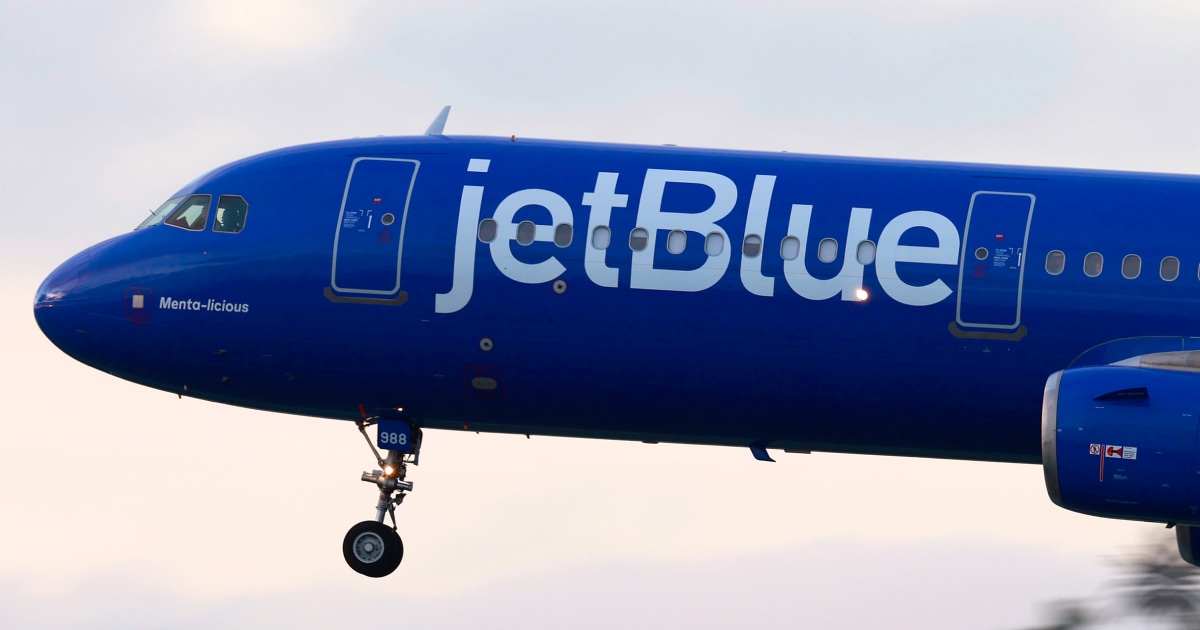
Track JetBlue Flights Today Live: Status & Delays
Whether you are heading to the airport, picking up a family member, or watching the weather radar ahead of a business trip, tracking jetblue flights today live provides the real-time certainty you need. Flight schedules shift rapidly due to air traffic control programs, severe weather, and maintenance holds. Having access to verified, minute-by-minute updates ensures you stay ahead of gate swaps, departure delays, and baggage arrival estimates.

How to Track JetBlue Flights Today Live
There are several reliable methods to check the current operational status of any JetBlue departure or arrival. Depending on whether you have a confirmation code or just general route information, use the following tools for the fastest results:
1. The JetBlue Mobile App
The official JetBlue app (available on iOS and Android) is the most direct pipeline for active passengers. When you load your confirmation code into the app, it delivers push notifications for:
- Terminal and gate assignments (often posted 3 to 4 hours prior to departure).
- Boarding group announcements and countdown clocks.
- Real-time inbound aircraft location updates under the “Where is my plane right now?” feature.
- Baggage carousel numbers upon touchdown.
2. JetBlue.com Flight Tracker
If you are tracking a flight for someone else, visit JetBlue’s dedicated flight status page on their website. You can look up flights in two ways:
- By Flight Number: Input “B6” followed by the flight number (for example, B6 2104) and the travel date.
- By Route: Enter the departure city and destination airport along with today’s date to see a full list of scheduled flights between those cities.
3. Live Flight Radar Services
Third-party tracking platforms like Flightradar24, FlightAware, and RadarBox monitor ADS-B transponder data broadcast directly from aircraft. While JetBlue’s internal tools are best for gate times, radar trackers are superior for seeing an aircraft’s actual physical progress in midair, cruising altitude, airspeed, and flight path deviations around storms.
Understanding Discrepancies: Gate Times vs. Radar Times
When tracking flights live, you may notice that JetBlue’s status page says a flight is “Departed,” but the flight radar still shows the plane parked at the gate. This is normal and stems from how aviation records time:
- OUT Time: The moment the aircraft pushes back from the gate. JetBlue marks this as departed.
- OFF Time: The exact time the plane’s wheels leave the runway. Third-party radar tools prioritize this metric.
- ON Time: The moment wheels touch down at the destination runway.
- IN Time: The plane arrives at the destination gate and the parking brake is set. This is the official arrival time reported on passenger receipts.
If a flight shows a 30-minute gap between gate departure and actual takeoff, the aircraft is likely waiting in an airport taxi queue or holding for an Air Traffic Control (ATC) release window.
Video: They Watched Their Own Emergency Live on TV, From Inside the Jet

Key JetBlue Hubs to Watch for Delays
JetBlue operates a network heavily centered in the Northeast and coastal regions, which makes it particularly sensitive to localized weather systems and congested airspace. If you are flying through any of the following hubs, check live conditions early:
- New York (JFK - Terminal 5): JetBlue’s primary hub. JFK is prone to ATC Ground Delay Programs during rainy, windy, or low-visibility conditions.
- Boston Logan (BOS): A major regional powerhouse for JetBlue. Winter blizzards, coastal fog, and heavy corporate commuter traffic can cause domino-effect delays throughout the day.
- Fort Lauderdale (FLL) & Orlando (MCO): Florida routes frequently encounter afternoon convective thunderstorms from late spring through early autumn, often triggering ground stops.
- Los Angeles (LAX) & San Juan (SJU): Long-haul cross-country and Caribbean flights depend on the on-time arrival of inbound aircraft from New York and Boston.
How to Track the Inbound Aircraft
One of the most powerful tricks frequent flyers use is tracking the aircraft’s previous leg. An airline may list your 5:00 PM flight as “On Time,” but if the plane scheduled to fly your route is still sitting on a tarmac three states away with an estimated arrival of 4:45 PM, a delay is inevitable.
To inspect your inbound aircraft:
- Open the JetBlue app or FlightAware.
- Search your flight number.
- Tap the link labeled “Where is my plane coming from?” or “Track Inbound Plane.”
- Review the status of that inbound flight. If it has not departed its origin city yet, your departure will likely be adjusted backward once dispatch updates the schedule.
What to Do If Your Live Flight Is Delayed or Canceled
JetBlue has one of the most transparent compensation policies in the domestic airline industry, codified in their Customer Bill of Rights. If your flight is delayed due to factors within JetBlue’s control (such as mechanical issues, computer system failures, or crew scheduling holds), you may be eligible for automatic compensation in the form of travel credits.
Controllable Departure Delays
- 3 to 3.99 Hours: $50 JetBlue Travel Bank Credit.
- 4 to 4.99 Hours: $100 JetBlue Travel Bank Credit.
- 5 to 5.99 Hours: $150 JetBlue Travel Bank Credit.
- 6+ Hours: $250 JetBlue Travel Bank Credit.
Immediate Steps During Disruptions
If live tracking confirms a severe delay or cancellation, do not immediately stand in the airport customer service line where dozens of other passengers are heading. Instead:
- Open the JetBlue App: When a disruption occurs, the app automatically unlocks self-service rebooking. You can often choose from alternative flights today or tomorrow at no additional charge.
- Reach Out via Live Chat: Use the live chat tool inside the JetBlue app or on JetBlue.com. Response times via digital chat are frequently faster than phone hold queues during major weather meltdowns.
- Check Airport Flight Boards: Gate changes happen suddenly during tight turnarounds. Keep an eye on airport monitors to confirm gate reassignment before walking away from the concourse.
Final Checklist for Monitoring Today's Flight
To minimize travel friction, maintain a routine: verify your flight status before leaving home, check the FAA National Airspace System status page for ground delays at your departure and arrival airports, and make sure your contact details are updated in your TrueBlue account so you receive automatic text notifications the moment operations change.