Translate German to English Accurately: Best Methods
Whether you are researching historical documents, expanding your business into European markets, or trying to understand a favorite German song, knowing how to efficiently translate German to English is an invaluable skill. While digital tools have evolved rapidly, bridging the gap between Germanic sentence structures and English requires more than just swapping out words.
In this guide, we will explore the best digital tools, professional strategies, and linguistic nuances you need to master to ensure your translations are accurate, natural, and contextually appropriate.
Top Tools to Translate German to English Instantly
When you need quick results, software and AI models provide the fastest route. However, not all translation engines are created equal. Here are the leading platforms used to translate German to English today:
- DeepL: Widely regarded by linguists as the best AI tool for European languages. It captures nuances, idioms, and formal/informal tone differences far better than older alternatives.
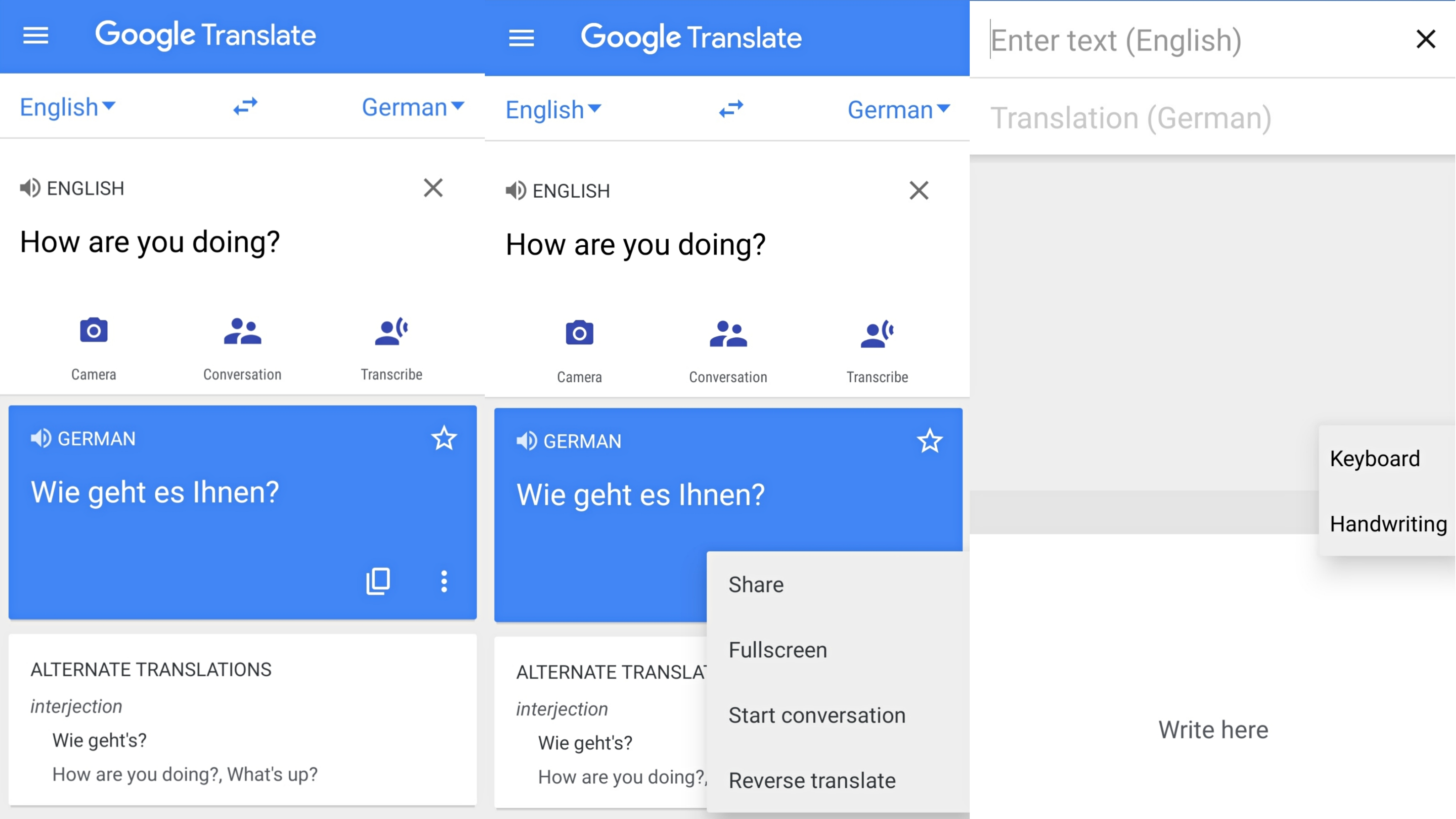
- Google Translate: The most accessible option. It handles massive blocks of text, web pages, and even live camera translation via mobile apps remarkably well.
- Microsoft Translator: Excellent for integrated workflows, especially if you work heavily within the Microsoft Office ecosystem and need document-level translations.
While these tools are fantastic for getting the gist of a text or drafting quick emails, they can struggle with complex compound words and regional dialects.
Handling German Compound Words
One of the biggest hurdles when you translate German to English is the language's famous propensity for compound nouns. German strings multiple words together to form a single, highly specific concept (such as Kugelschreiber for ballpoint pen or Schadenfreude for pleasure derived from another's misfortune).
When encountering unfamiliar compound words:
- Break the word down into its smaller constituent parts. Look for root words you already recognize.
- Consult a reliable dictionary like dict.cc or LEO rather than guessing based on the individual components, as the combined meaning is often idiomatic.
- Rephrase the concept in English. Often, a single German compound word requires a short phrase or hyphenated term in English to make complete sense.
Grammar and Syntax Differences
English and German share a Germanic language root, but their sentence structures diverge significantly. If you translate German to English word-for-word, the result will sound unnatural and confusing.
Keep these structural differences in mind:
- Verb Placement: In subordinate clauses in German, the conjugated verb is pushed to the very end of the sentence. In English, standard subject-verb-object order must usually be restored.
- Capitalization: German capitalizes every single noun, whereas English only capitalizes proper nouns. Do not let capitalized internal words trick you into treating them as proper names.
- Formal vs. Informal "You": German distinguishes heavily between the formal Sie and the informal du. English uses "you" for both, meaning you must adjust the surrounding tone to convey the correct level of politeness or familiarity.
When to Hire a Professional Translator
Automated software is great for everyday communication, but it falls short for high-stakes content. You should always invest in a human translator for:
- Legal Contracts: Misinterpreting a single clause can lead to severe liabilities.
- Marketing and Branding: Slogans and creative campaigns rely on cultural resonance that AI often misses or mistranslates entirely.
- Published Literature: Books, poetry, and scripts require a human touch to maintain artistic flow, rhythm, and emotional resonance.
By combining the speed of modern AI tools with a solid understanding of German grammar and cultural context, you can achieve clear, accurate translations every time.


