TSC Trailer Tires: Buyer's Guide & Top Picks
When you need an immediate replacement for a blown tire or want to refresh an aging utility hauler before a long haul, shopping for tsc trailer tires is one of the most accessible options for DIYers, landscapers, and farmers. Tractor Supply Company (TSC) stocks a wide variety of tires designed specifically for light to medium-duty towing applications. However, choosing the correct tire requires more than just matching wheel diameter.

Trailers carry heavy, shifting cargo and experience distinct lateral stresses that passenger vehicles do not. Here is what you need to know about navigating Tractor Supply’s inventory to find the safest, most durable tire for your setup.
Popular Brands and Options for TSC Trailer Tires
Tractor Supply Company primarily stocks trusted aftermarket brands specializing in agricultural and specialty trailer applications. The most common brands you will find on their shelves and website include:
- Carlisle (The Carlstar Group): A longtime industry benchmark known for models like the Radial Trail HD and Sport Trail. Carlisle tires offer solid tread life and strong weather-checking resistance.
- Taskmaster: Known for reliable highway-speed ratings and heavy-duty ply options, Taskmaster components are frequently found on commercial landscape and equipment trailers.
- Kenda: A common supplier of compact trailer assemblies (8-inch to 12-inch wheels) designed for small utility trailers, jon boats, and log splitters.
- Carry-On Trailer: Because TSC sells Carry-On brand utility trailers, they routinely stock original-equipment replacement wheels and tires tailored precisely to those models.
Radial vs. Bias-Ply: Which Should You Buy?
At Tractor Supply, you will find both radial and bias-ply options. Choosing between them depends entirely on how and where you use your trailer.
Radial Trailer Tires
Radial tires feature plies that run perpendicular across the tire (90 degrees to the direction of travel) paired with steel belts under the tread. They run significantly cooler at interstate speeds, deliver smoother tracking, and resist flat-spotting during periods of short-term sitting. If you regularly tow a boat, camper, or utility trailer on highways at speeds of 55 to 70 mph, radials are worth the extra investment.
Bias-Ply Trailer Tires
Bias-ply tires are constructed with crisscrossing nylon cords running diagonally across the tire carcass. This design creates exceptionally rigid sidewalls. While they run hotter and wear faster at sustained highway speeds, bias-ply tires excel in rough, off-road conditions—such as pastures, logging tracks, and construction sites—where puncture resistance and sidewall gouging are major concerns. They are also generally more budget-friendly for low-mileage, local hauling.
Understanding ST Ratings and Load Ranges
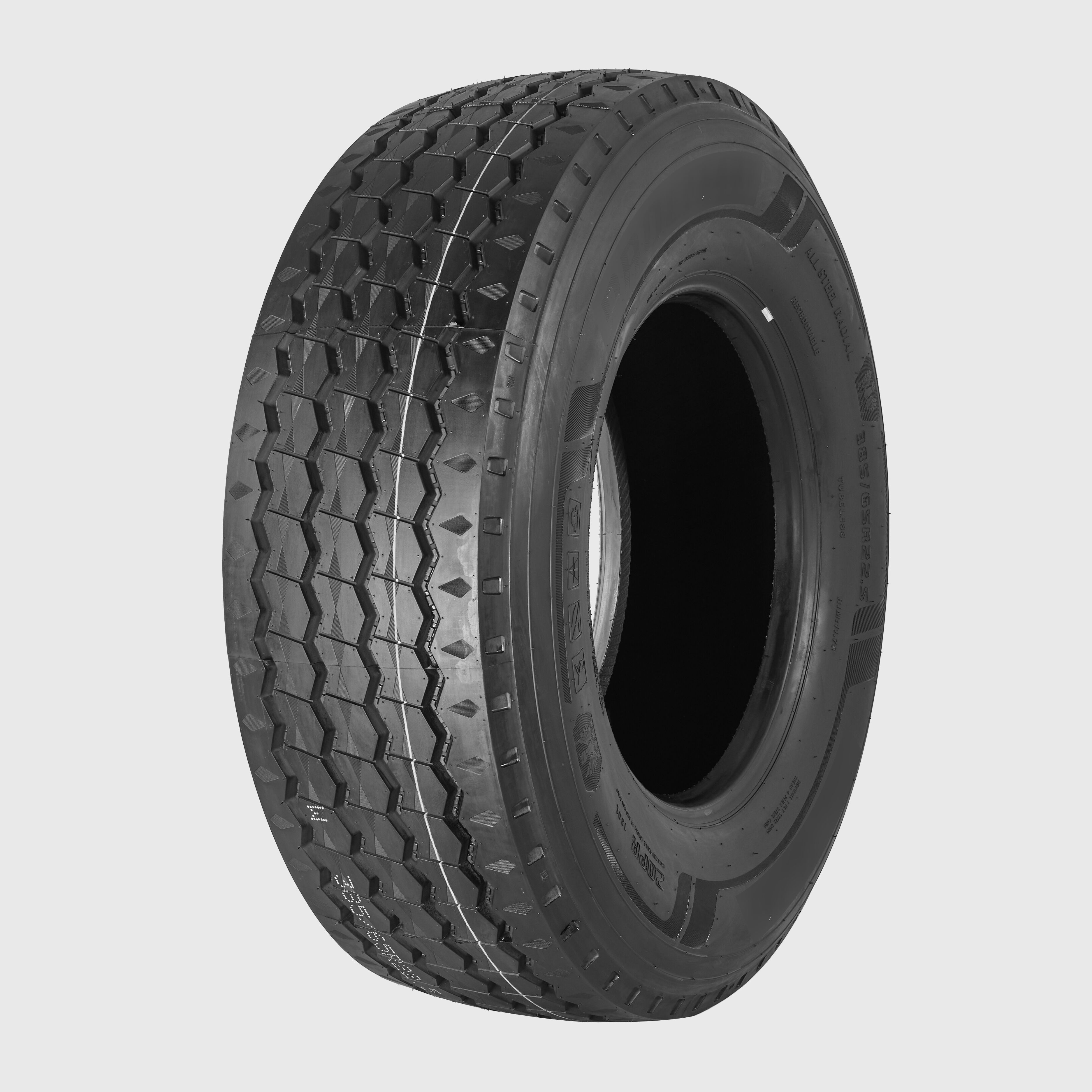
Every road-going tire you purchase at TSC for a trailer should bear the ST (Special Trailer) prefix—for example, ST205/75R15. ST tires feature thicker sidewalls to suppress sway and handle heavy loads without buckling under high centers of gravity. Never replace a trailer tire with a standard passenger car (P-metric) tire, which lacks the sidewall stiffness necessary for safe towing.
You also need to verify the tire’s load range, designated by a letter that corresponds to its ply rating and maximum inflation capacity:
- Load Range C (6-ply rated): Typical for light utility trailers, small boat trailers, and lightweight teardrop campers.
- Load Range D (8-ply rated): Suitable for tandem-axle landscape trailers, car haulers, and mid-sized cargo trailers.
- Load Range E (10-ply rated): Built for heavy-duty applications, such as equipment haulers, dump trailers, and horse trailers.
Always inspect the tire placard on your trailer’s tongue or frame. The combined load rating of your tires must exceed the trailer's Gross Vehicle Weight Rating (GVWR).
Pre-Mounted Assemblies vs. Bare Tires
One of the main conveniences Tractor Supply provides is a wide selection of tire and wheel assemblies. These come pre-mounted and inflated on white spoke, modular, or galvanized steel rims.
While buying a bare tire might save a few dollars upfront, purchasing a pre-mounted assembly provides several practical advantages:
- Immediate Installation: You can install the new tire in your driveway or on the shoulder of a road using standard hand tools, bypassing tire shop mounting and balancing fees.
- Fresh Hardware: Old trailer rims often develop bead corrosion or lug seat wear, leading to slow air leaks. A complete assembly eliminates these hidden wheel issues.
- Spare Readiness: An assembly makes an ideal spare tire to mount onto your trailer’s tongue bracket before heading out on a trip.
If you opt for an assembly, measure your bolt circle pattern accurately before purchasing. The most common utility trailer patterns are 4 on 4 inches, 5 on 4.5 inches, and 6 on 5.5 inches.
Essential Trailer Tire Maintenance Tips
Trailer tires rarely wear out from mileage; they typically fail due to age, environmental exposure, or under-inflation. To maximize the life of your purchase from Tractor Supply:
- Always Inflate to the Maximum Cold PSI: Unlike passenger cars, trailer tires should almost always be inflated to the maximum cold PSI listed on the sidewall. Running low pressures generates excessive heat, which is the leading cause of catastrophic tread separation.
- Check the DOT Date Code: The last four digits of the DOT number on the sidewall indicate the week and year of manufacture (e.g., 2423 means the 24th week of 2023). Most manufacturers recommend retiring trailer tires after five to six years, regardless of remaining tread depth.
- Shield from UV Exposure: Sunlight breaks down the rubber compounds over time, causing dry rot and cracking. If your trailer sits outdoors between jobs, use wheel covers or park in shaded areas to preserve the casing.
- Torque the Lug Nuts: After installing a new wheel assembly, torque the lug nuts in a star pattern to the manufacturer's specified foot-pounds, and re-torque them after the first 50 and 100 miles of travel.
Summary: Finding the Right Tire Fast
Tractor Supply is well-stocked for quick repairs and routine trailer upkeep, but success comes down to knowing your exact specs. Before heading to the store or ordering online for curbside pickup, write down your required tire size, bolt pattern, minimum load range, and speed rating. Choosing the right construction and maintaining strict pressure standards will keep your cargo secure and your trips breakdown-free.


