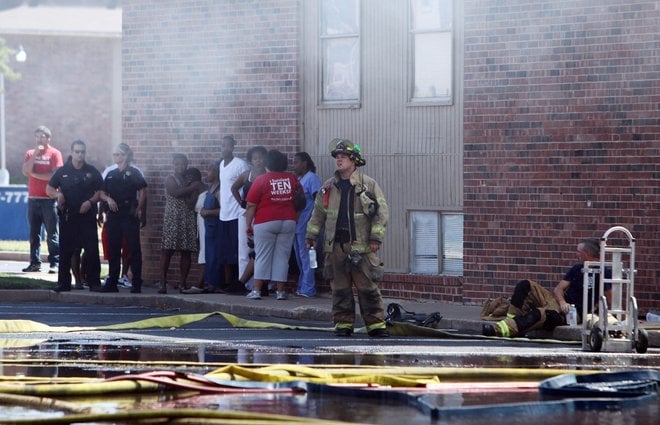
Tulsa Apartment Fire: Tenant Rights & Recovery
A sudden residential blaze can upend your life in minutes. Whether you are dealing with the immediate aftermath of a recent Tulsa apartment fire or trying to understand your legal protections as a displaced tenant, knowing what steps to take is essential. Navigating emergency housing, dealing with property managers, and securing basic necessities require quick, informed decisions during an exceptionally stressful time.

This guide outlines the critical actions to take following a fire in a Tulsa multi-family complex, your statutory rights under Oklahoma landlord-tenant law, and the local resources available to help you recover.
Immediate Steps Following a Tulsa Apartment Fire
In the hours and days following a fire, your focus must remain on personal safety, health, and securing temporary stability. Do not rush back into the structure until officials clear the area.
- Check In with First Responders: The Tulsa Fire Department (TFD) will coordinate initial containment and site safety. Obtain the incident report number from the scene commander or the fire marshal. This document is vital for insurance claims and legal documentation.
- Secure Temporary Shelter: If you cannot stay with friends or family, reach out immediately to disaster relief agencies on-scene or at designated staging areas.
- Notify Your Landlord in Writing: Inform your property management company or landlord of the event as soon as possible. Follow up phone calls with an email or written notice to establish a paper trail.
- Do Not Enter Without Clearance: Structural damage, toxic fumes, soot, and water-damaged flooring pose serious hazards. Only re-enter your unit when TFD or code enforcement officers give explicit permission.
- Preserve Evidence and Valuables: Once permitted inside, take clear photos and videos of every damaged room, piece of furniture, and personal belonging before anything is discarded or cleaned.
Tenant Rights Under Oklahoma Law
Oklahoma law provides specific protections for renters when a leased property is substantially damaged or destroyed by fire. These rules are governed by the Oklahoma Residential Landlord and Tenant Act (ORLTA), found in Title 41 of the Oklahoma Statutes.
Lease Termination Due to Fire Damage
Under 41 O.S. § 122, if a rental unit is damaged or destroyed by fire or casualty to the extent that normal use and occupancy is substantially impaired, the tenant has specific statutory options:
- Immediate Vacatur: The tenant may vacate the premises immediately and notify the landlord in writing within one week of their intention to terminate the rental agreement. In this case, the lease terminates as of the date of vacating.
- Partial Reduction in Rent: If continued occupancy is lawful and only part of the unit is unusable, the tenant may vacate the damaged section, and their liability for rent is proportionally reduced by the fair rental value lost.
If the fire was caused by the deliberate or negligent act of the tenant, room-mate, or guest, these protections may not apply, and the tenant could be held liable for damages.
Security Deposits and Prepaid Rent
When a lease is terminated under ORLTA provisions due to an uninhabitable casualty loss, the landlord must handle the security deposit in accordance with 41 O.S. § 115. Within 45 days of a written request and lease termination, the landlord must return the remaining security deposit along with an itemized statement of any lawful deductions. Landlords cannot deduct ordinary fire damage costs from your deposit unless they prove you caused the fire.
Video: Tulsa resident reacts to apartment fire

Navigating Insurance and Property Loss
One of the most common misunderstandings in multi-family housing involves property insurance. Many renters assume the property owner’s insurance covers personal items inside individual units.
Landlord Insurance vs. Renters Insurance
A landlord’s commercial policy covers only the building structure, common spaces, and property owned by the landlord. It does not replace your clothing, electronics, furniture, or cover alternative living expenses.
If you carry a renters insurance policy:
- Loss of Use (Additional Living Expenses): This coverage helps pay for hotel stays, temporary apartment rentals, restaurant meals above your normal grocery budget, and storage units while you are displaced.
- Personal Property Coverage: This reimburses the value of your damaged or destroyed belongings. Depending on your policy, it pays either Actual Cash Value (depreciated worth) or Replacement Cost (what it costs to buy new items today).
- Filing the Claim: Contact your insurer immediately. Provide the TFD incident number, take detailed inventory, and keep receipts for every dollar spent on emergency food, lodging, and toiletries.
Local Tulsa Relief and Emergency Resources
Displacement creates immediate financial and logistical hurdles. If you lack comprehensive renters insurance or need urgent community support, several organizations in Tulsa provide direct aid:
- American Red Cross of Oklahoma: Offers immediate assistance, including emergency hotel vouchers, direct financial relief for essentials, prescription replacement, and mental health support. Contact the local chapter at (918) 831-1100.
- 211 Eastern Oklahoma: Dialing 2-1-1 connects you to an operator who can direct you to available emergency shelters, food pantries, clothing drives, and utility assistance programs in the Tulsa metro area.
- Tulsa Day Center: Located downtown, this center offers daytime resources, case management, and connections to rapid re-housing programs for individuals displaced by structural emergencies.
- Legal Aid Services of Oklahoma (LASO): If your landlord refuses to release you from your lease, withholds your security deposit improperly, or attempts an illegal eviction following a fire, LASO provides free legal assistance to eligible low-income residents. Call their Tulsa office at (918) 428-4357.
Apartment Fire Safety and Prevention Standards in Tulsa
Multi-family properties in the City of Tulsa must adhere to municipal building and fire safety codes enforced by the Tulsa Fire Department’s Fire Prevention Bureau. Understanding these standards helps identify whether a building owner maintained required safety measures:
- Operational Smoke Detectors: Landlords are legally required to provide operable smoke detectors at the start of a tenancy. After move-in, tenants are typically responsible for replacing batteries unless otherwise noted in the lease.
- Clear Egress Routes: Hallways, stairwells, and emergency exits must remain unobstructed by debris, bicycles, or storage at all times.
- Fire Extinguishers: City codes often require accessible, properly inspected fire extinguishers in common corridors or inside units, depending on the building size and occupancy rating.
- Fire Doors: Self-closing fire doors in corridors must not be propped open, as they are engineered to slow the spread of flames and deadly smoke during an evacuation.
Moving Forward After the Fire
Recovering from an apartment fire takes time and persistence. Keep all communication with your landlord, insurance adjusters, and charitable agencies documented in writing. Request official copies of the Tulsa Fire Department investigation report once it is finalized, as it identifies the official origin and cause of the incident. Taking deliberate, informed steps will protect your financial health and help you transition into secure, permanent housing.