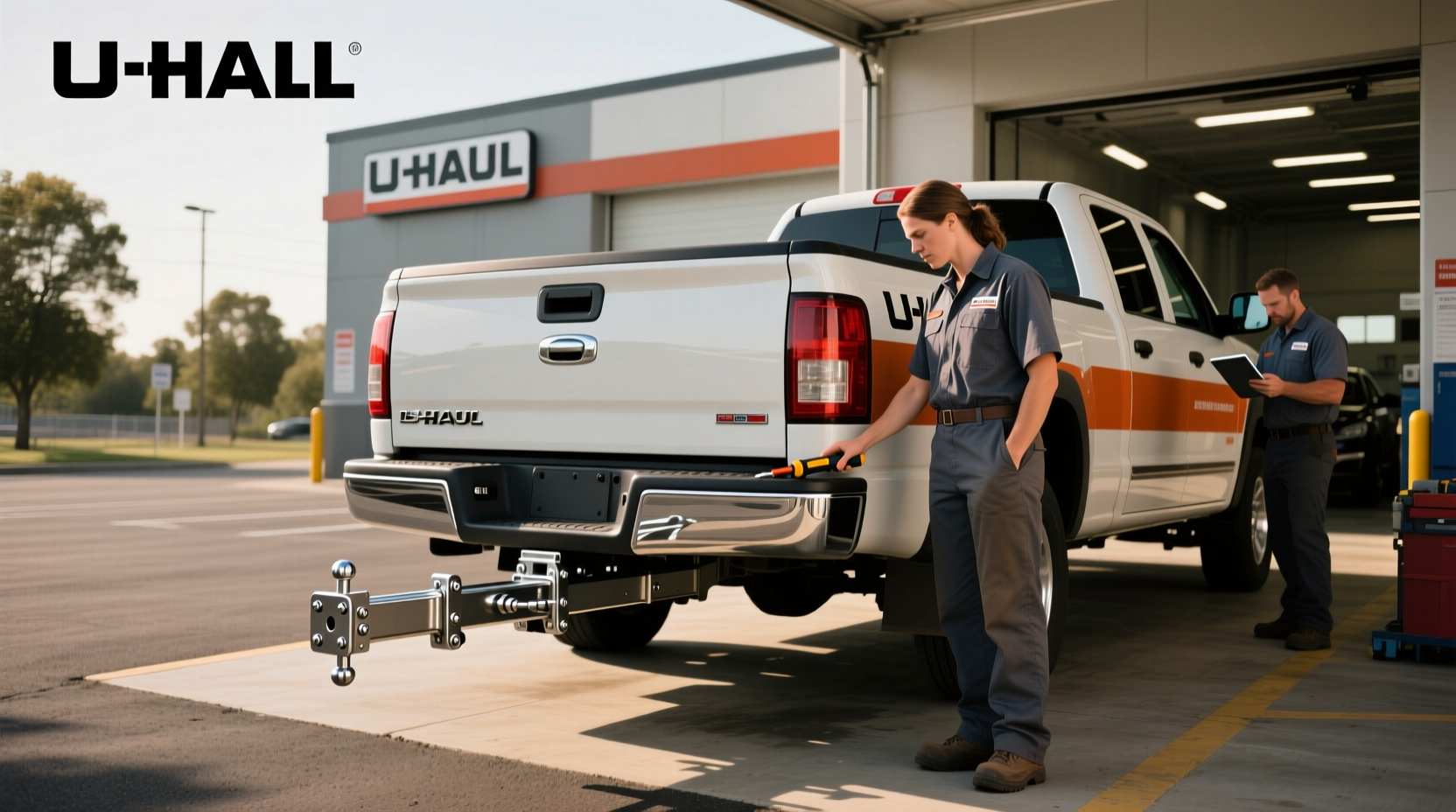
U-Haul Hitch Installation: Cost, Process & What to Expect
U-Haul Hitch Installation: What You Need to Know

Getting ready to tow a small trailer, a bike rack, or a cargo carrier requires a reliable hitch setup. For most drivers, turning to professional services like a U-Haul hitch installation is the most convenient route. U-Haul is the largest aftermarket trailer hitch installer in North America, servicing hundreds of vehicle makes and models at their corporate and independent dealer locations.
Whether you are planning to have a professional handle the wrenching or you want to understand how the process works before buying, knowing what to expect can save you time, money, and headaches.
Understanding Hitch Classes and Vehicle Compatibility
Before any installation takes place, you need to make sure you have the right hardware for your vehicle and your towing goals. Hitches are categorized into different classes based on their weight capacity:
- Class 1: Up to 2,000 lbs. Gross Trailer Weight (GTW) and 200 lbs. Tongue Weight (TW). Ideal for compact cars and light accessories like bike racks.
- Class 2: Up to 3,500 lbs. GTW and 300/350 lbs. TW. Typically used for smaller sedans, crossovers, and utility trailers.
- Class 3: Up to 5,000 to 8,000 lbs. GTW (and higher with weight distribution). Common on SUVs, minivans, and pickup trucks for larger campers or boats.
- Class 4 and 5: Heavy-duty towing for full-size trucks, handling weights exceeding 10,000 lbs.
When you look up a U-Haul hitch installation for your specific year, make, and model, their system will automatically filter compatible class sizes. It is crucial not to exceed the maximum towing capacity specified in your vehicle's owner manual, regardless of the hitch's rating.
The U-Haul Hitch Installation Process
Wondering how technicians actually mount a receiver to your undercarriage? While every vehicle is slightly different, the core mechanics of a professional setup generally follow a specific workflow.
1. Vehicle Inspection and Prep
Technicians will lift your vehicle on a hydraulic hoist to inspect the frame. They check for rust, structural damage, or factory-welded components that might interfere with the mounting brackets. If you live in an area prone to road salt, they may clean out weld nuts or apply rust inhibitor.
2. Lowering the Exhaust (If Necessary)
On many modern passenger cars and crossovers, the exhaust system runs directly beneath the rear bumper where the hitch needs to go. Technicians carefully unhook the exhaust hangers to drop the tailpipe a few inches, creating the clearance required to slide the crosstube into position.
3. Bolting the Frame Brackets
Most custom-fit hitches utilize existing factory holes in your vehicle's frame rails. Technicians use fishwires (coil wire tools) to pull carriage bolts and spacer blocks through internal frame channels and down through the mounting holes. The hitch is then raised into place, aligned, and secured with washers and heavy-duty nuts, which are torqued to exact manufacturer specifications using a calibrated torque wrench.
4. Reinstalling Components
Once the hitch is fully tightened, the exhaust is reattached to its rubber hangers, and any removed plastic fascia or heat shields are modified or reinstalled.

Trailer Wiring and Lighting Integration
A physical hitch only solves half the equation. If you plan to tow anything with running lights, brake lights, or turn signals—such as a U-Haul cargo trailer or utility trailer—you will also need a trailer light wiring harness.
U-Haul technicians install custom-fit wiring converters that plug directly into your vehicle’s factory taillight assembly connectors, avoiding the need to splice or cut into your car's main electrical wires. For most standard trailers, a basic 4-flat connector is all that is required. If you are towing a heavier camper or trailer equipped with electric brakes, you may also need a 7-way blade connector and a digital brake controller installed inside your cabin.
Cost and Time Estimates
When budgeting for a hitch setup, you need to factor in three primary components: the cost of the hitch itself, the wiring kit, and the labor charge.
- Hitch Price: Generally ranges from $150 to $300 depending on the class and vehicle design.
- Wiring Price: Usually costs between $40 and $100 for standard 4-way components, plus labor.
- Labor Rates: U-Haul labor charges vary by location, but professional installation typically ranges from $100 to $250 depending on the complexity of the vehicle's bumper and exhaust layout.
In total, a complete professional installation often falls between $300 and $600. Most standard installations take between one and two hours to complete, meaning you can often drop your car off and wait in the showroom or schedule an appointment online.
DIY vs. Professional Installation
Many handy vehicle owners consider buying a hitch online and installing it in their driveway. While it is certainly possible, there are notable pros and cons to weigh against letting U-Haul handle the job.
DIY Pros & Cons
Pros: You save money on labor costs and gain the satisfaction of doing it yourself.
Cons: Working underneath a car supported only by jack stands can be physically demanding and dangerous. If a bolt snaps inside a rusted frame rail or if a hole needs to be enlarged using a die grinder, the job can quickly turn into an all-day ordeal. Furthermore, you will need specialized tools like a torque wrench and safety glasses.
Professional Pros & Cons
Pros: Technicians have hydraulic lifts, specialized fishwire tools, pneumatic wrenches, and years of experience dealing with stubborn bolts. Professional work is also typically backed by a warranty.
Cons: You pay an hourly labor fee.
Final Tips Before Your Appointment
If you decide to book an appointment for a U-Haul hitch installation, keep these final tips in mind:
- Clear your trunk: Technicians may need access to your spare tire well or interior side panels to route wiring and test electrical fuses.
- Check your bumper modifications: If your vehicle has an aftermarket body kit, custom exhaust, or a hidden hitch package, mention it when booking, as it may require custom modifications.
- Confirm the towing capacity: Double-check your vehicle manual to ensure you stay within safe operating limits on the road.