U-Haul Rentals Prices: Complete Cost Guide
Understanding U-Haul Rentals Prices
Planning a move requires a clear budget, and figuring out u-haul rentals prices is usually the first step for DIY movers. Because U-Haul does not use a one-size-fits-all pricing model, your final bill depends heavily on several moving variables. Whether you are moving down the street or across the country, knowing how rates are calculated helps you avoid surprises at the counter.
In this guide, we break down what you can expect to pay for local versus one-way moves, examine costs for different equipment sizes, and highlight the extra fees that can sneak into your final invoice.
How U-Haul Calculates Moving Costs
U-Haul separates its pricing into two main categories: local moves and one-way moves. The structure of these two options is completely different, which directly impacts your overall budget.
Local Move Pricing
For a local move (where you return the truck to the same location where you rented it), U-Haul charges a flat base rate plus a per-mile fee.
- Base Rate: Typically ranges from $19.99 for cargo vans and small pickup trucks up to $39.99 or more for 26-foot large moving trucks.
- Mileage Fee: You will pay a set fee for every mile driven. This rate usually ranges from $0.79 to $1.19 per mile, depending on the truck size and your geographic location.
Keep in mind that the base rate does not include fuel. You are required to return the truck with the same level of fuel it had when you picked it up.
One-Way Move Pricing
If you are relocating to a new city and dropping the truck off at a different location, the pricing model changes. U-Haul calculates one-way rentals based on a flat rate that includes a specific number of allowed miles and days.
- Included Mileage and Days: The quote gives you an estimated mileage allowance and a set number of days to complete the trip. If you exceed these limits, extra mileage fees (often around $1.00 per mile) and extra day fees will apply.
- Flexibility: One-way rates fluctuate heavily based on demand, seasonality, and the specific route. Moving from a high-demand area to a low-demand area is often more expensive.
Estimated Prices by Equipment Size
U-Haul offers a variety of vehicles and trailers to suit different home sizes. Below is a general overview of what you can expect to pay for base rates and estimated ranges.
Cargo Vans and Pickup Trucks
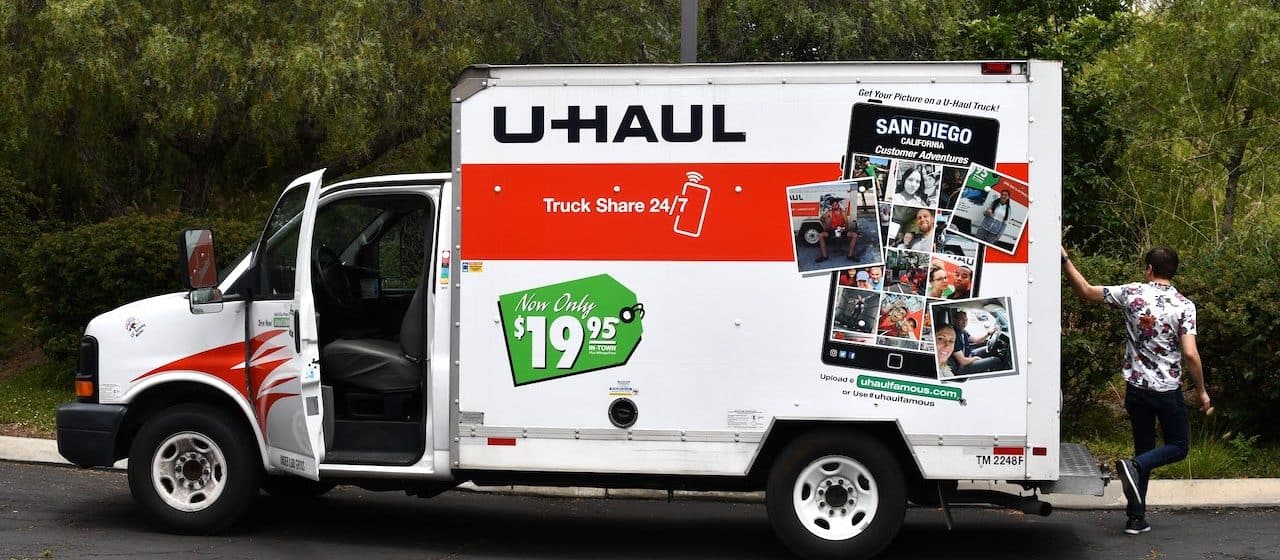
Ideal for small moves, studio apartments, or picking up bulky furniture store items.
- Local Base Rate: ~$19.99 per day + mileage.
- Best For: Moving a few large items or boxes without renting a massive truck.
10-Foot to 15-Foot Trucks
These mid-size options are popular for 1-to-2-bedroom apartments or small townhomes.
- Local Base Rate: ~$29.99 to $39.99 per day + mileage.
- One-Way Estimate: Typically ranges from $150 to $600+ depending on the distance.
20-Foot to 26-Foot Trucks
Designed for large 3-to-4+ bedroom homes, these massive trucks handle heavy household contents in a single trip.
- Local Base Rate: ~$39.99 to $49.99 per day + mileage.
- One-Way Estimate: Can range from $400 to over $2,000 for cross-country moves.
Hidden Fees and Extra Costs to Watch For
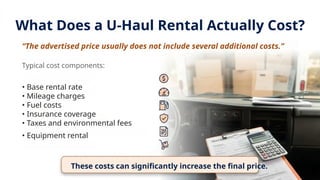
The base quote you receive online is rarely the final price. When budgeting for your move, make sure to factor in these additional expenses:
- Environmental Fees: A small, mandatory state or federal compliance fee is usually added to the bill.
- Insurance and Damage Protection: U-Haul offers optional coverage plans (Safemove, Safemove Plus) ranging from $15 to $50+ per day to protect against truck damage and cargo loss. Check your personal auto insurance or credit card policy first to see if rental trucks are already covered.
- Fuel Costs: Large moving trucks consume a lot of gas—often getting between 8 to 12 miles per gallon. Refueling a 26-foot truck before drop-off can add a significant chunk to your budget.
- Equipment Rentals: If you need furniture dollies, appliance hand trucks, or moving blankets, expect to pay a small daily rental fee for each item.
Tips for Lowering Your U-Haul Bill
You can significantly reduce your moving expenses by using a few strategic planning techniques:
- Move Mid-Week and Mid-Month: Weekends, the last days of the month, and summer months are peak moving times. If you can move on a Tuesday or Wednesday in the middle of the month, rates are often much lower.
- Book Well in Advance: Securing your truck early guarantees availability and locks in current rates before demand spikes in your area.
- Estimate Mileage Accurately: For local moves, map out your route beforehand to avoid unnecessary detours that drive up your per-mile costs.
- Compare One-Way vs. Local: Sometimes, renting a truck locally for a round trip can be cheaper than a one-way rental if you have the time and manpower to drive it back.
By understanding how U-Haul structures its pricing, planning your route efficiently, and accounting for hidden costs like fuel and insurance, you can keep your move organized and budget-friendly.