U-Haul Truck Rental: Ultimate Guide & Money-Saving Tips
Introduction to U-Haul Truck Rental
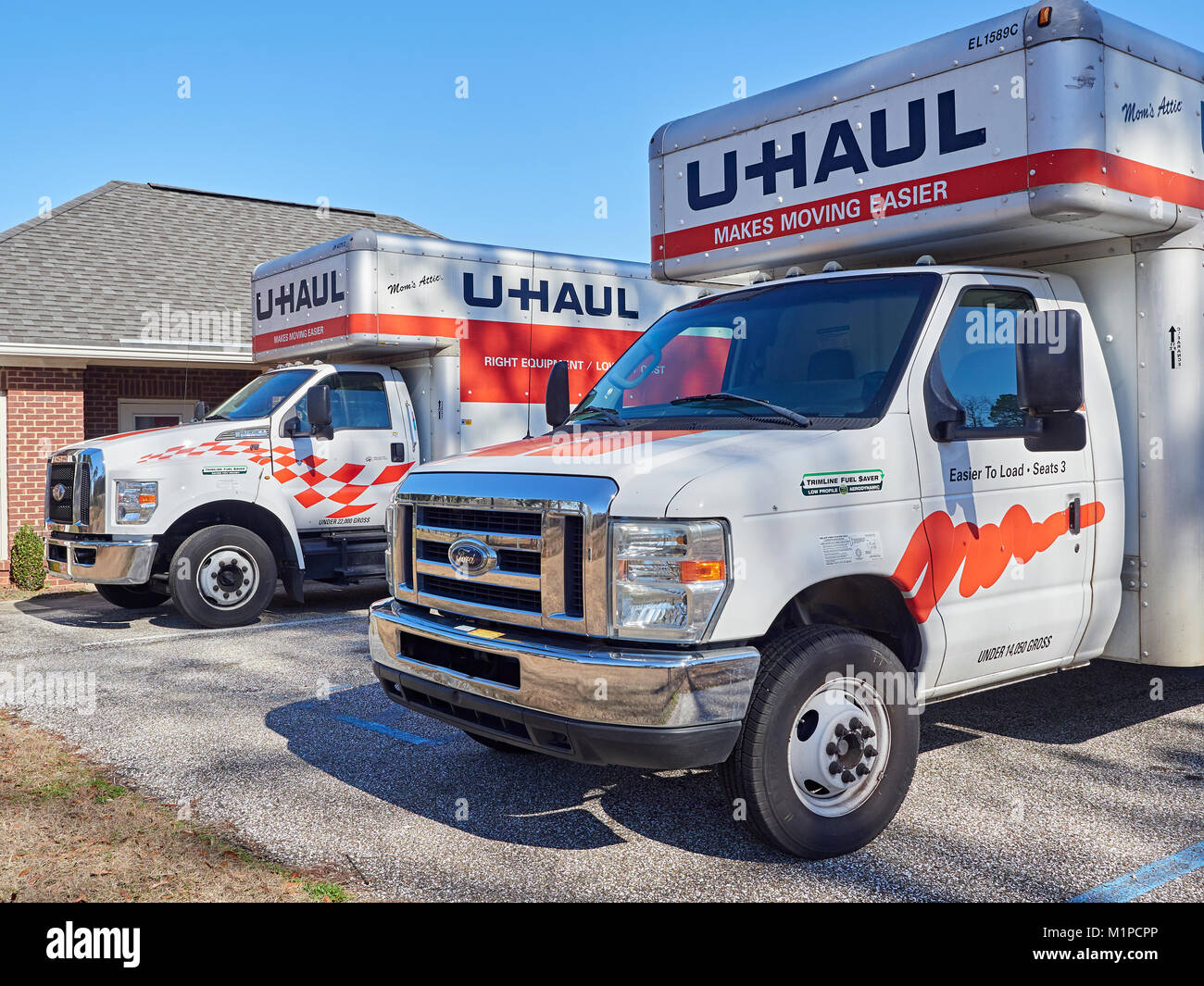
Moving to a new home is notoriously stressful, but securing the right transportation can make all the difference. When it comes to DIY moving, a u-haul truck rental is often the first choice for millions of people every year. With thousands of neighborhood dealers and repair facilities across the United States and Canada, U-Haul dominates the moving industry.
However, renting a moving truck involves more than simply picking up a set of keys. Understanding sizing, pricing models, insurance options, and hidden fees will save you both money and headaches. This guide breaks down everything you need to know to execute a smooth, budget-friendly move.
Choosing the Right U-Haul Truck Size
Selecting the correct truck size is the most critical decision you will make. Renting a truck that is too small means making multiple trips, while renting one that is too large wastes fuel and can be intimidating to drive. Here is a breakdown of U-Haul's fleet options:
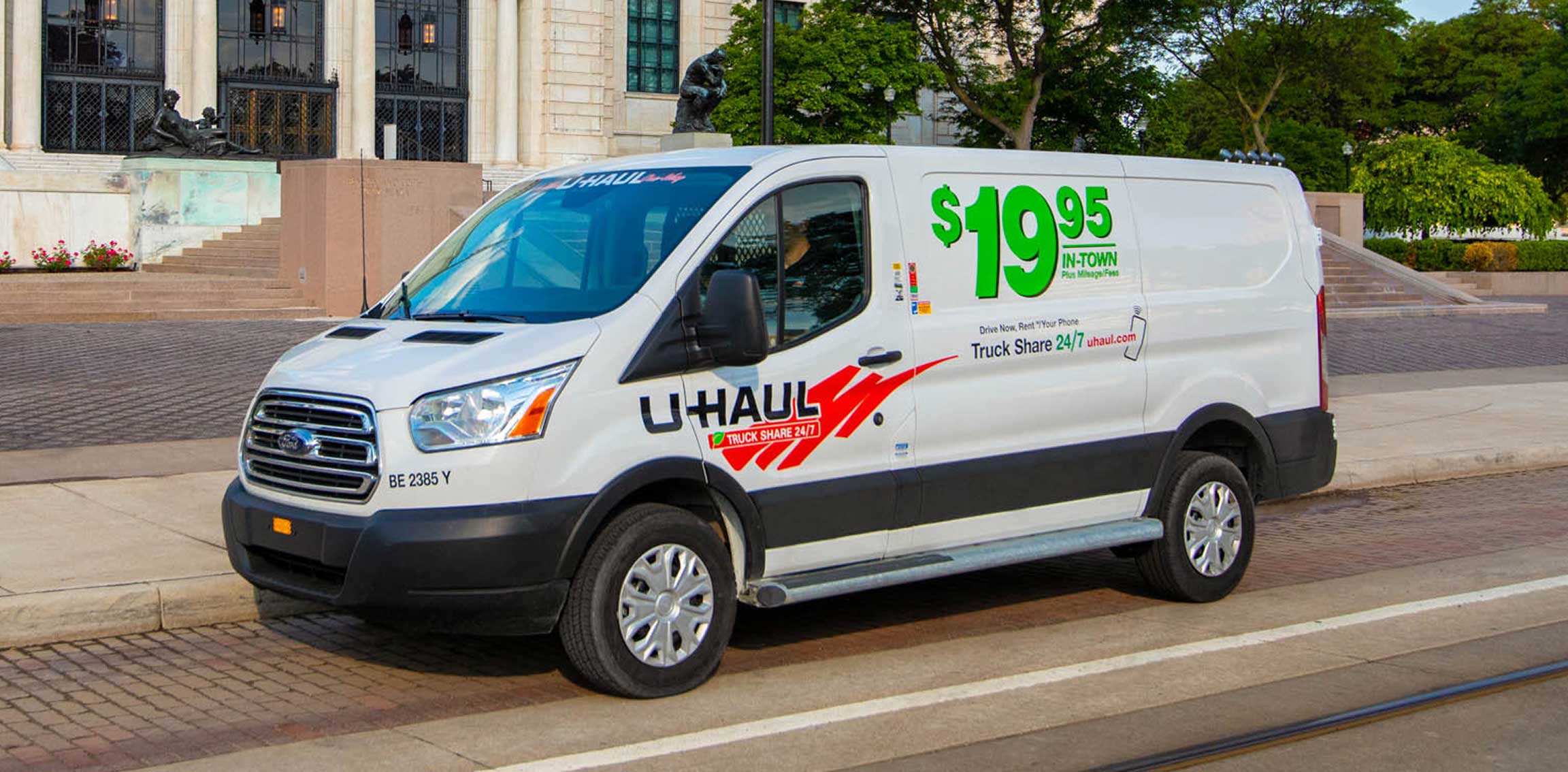
Cargo Vans and Pickup Trucks
- Best for: Studio apartments, college dorms, or transporting bulky furniture items.
- Capacity: Up to 245 cubic feet.
- Fuel economy: Approximately 19–22 MPG, making them the most economical choice for small loads.
10-Foot to 15-Foot Box Trucks
- Best for: 1-to-2-bedroom apartments or small townhomes.
- Capacity: Fits roughly 1 to 3 rooms of furniture.
- Feature: The 15-foot truck includes a low-profile deck to make loading easier, reducing the height you have to lift heavy boxes.
20-Foot to 26-Foot Box Trucks
- Best for: 3-to-5-bedroom houses, large families, or long-distance relocations.
- Capacity: Can hold entire households, including appliances and outdoor gear.
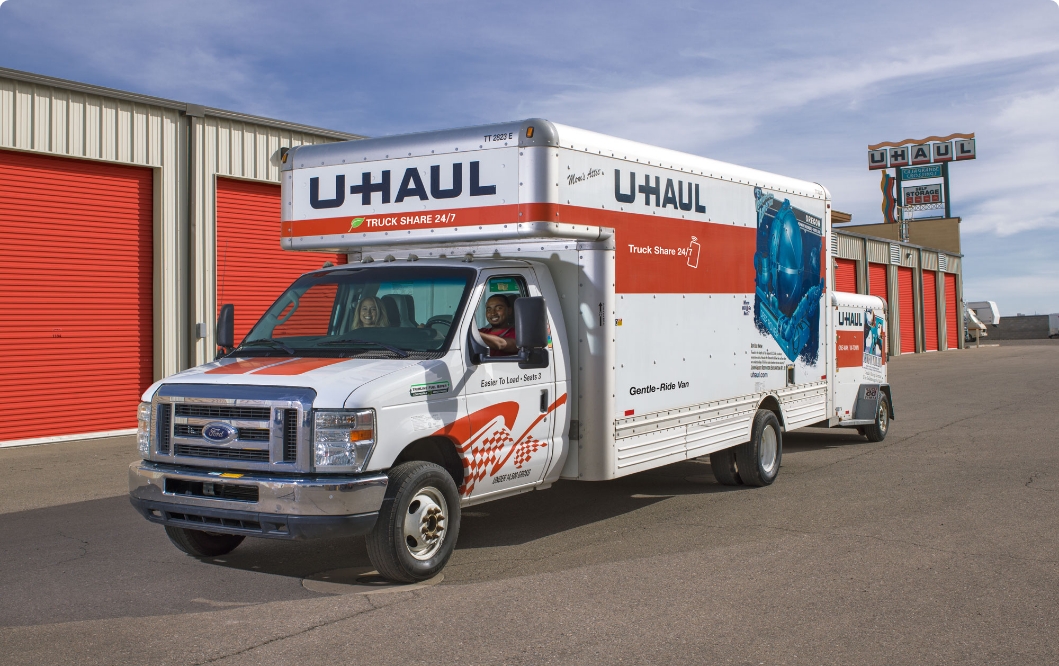
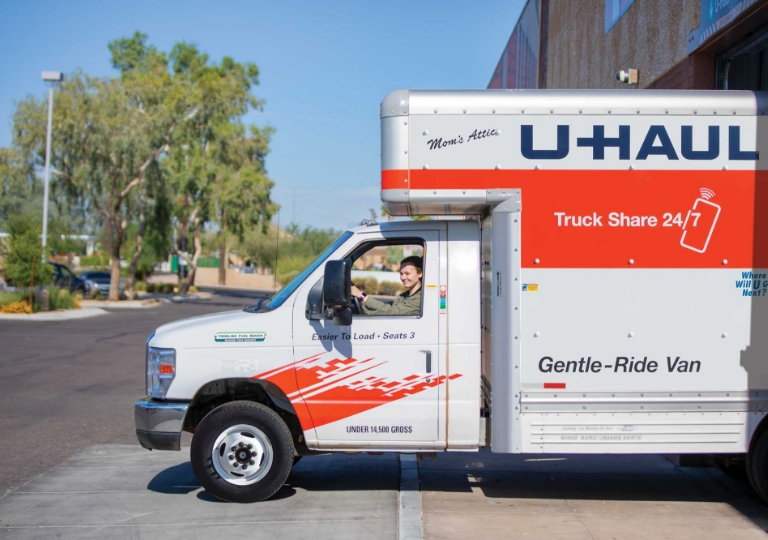
- Feature: These larger trucks feature EZ-Load ramps and gentle ride suspension to protect fragile items during transport.
Understanding Pricing: Local vs. One-Way Moves
U-Haul utilizes two distinct pricing structures depending on the nature of your trip. Knowing the difference helps you forecast your total moving expenses accurately.
Local Moves

For local moves, where you pick up and drop off the truck at the same location, you pay a low base rental fee plus a specific rate per mile driven. Fuel is not included; you must return the truck with the same level of fuel it had when you picked it up. Because mileage is added to your bill, it pays to map out the most direct routes beforehand.
One-Way Moves
For long-distance relocations, U-Haul charges a flat rate for the truck rental. This flat rate includes a designated number of allowed miles and days. If you exceed the allowed miles or days, you will face additional per-mile or per-day fees. The major advantage of a one-way move is that you drop off the truck at a U-Haul facility near your new home, eliminating the need to drive the vehicle back.
Hidden Costs to Keep on Your Radar
While U-Haul advertises attractive starting rates (such as $19.95 for local rentals), your final bill will likely be higher once additional expenses are factored in. Keep these common costs in mind when setting your moving budget:
- Environmental Fee: A small, mandatory state or federal fee added to every rental contract.
- Fuel Surcharges: If you return a local rental truck with less fuel than you started with, U-Haul will charge a steep per-gallon refueling fee.
- Moving Equipment: Renting furniture pads, appliance dollies, or hand trucks adds incremental costs.
- Tolls and Parking: Large moving trucks do not fit in standard drive-thrus, and some parkways prohibit commercial-sized vehicles. Factor potential toll roads and alternate parking fees into your route.
Navigating U-Haul Protection and Insurance
When you sign your rental agreement, you will be offered optional damage protection plans. Deciding whether to accept or decline coverage depends on your current insurance policies.
Standard U-Haul Safemove coverage typically includes damage waiver, cargo protection, and medical/life coverage for the driver and passengers. Before purchasing extra coverage, check your personal auto insurance policy and credit card benefits. Some auto insurance policies extend coverage to rental moving trucks, though exclusions often apply to large box trucks. If you are renting for business purposes, your commercial auto policy may already cover you.
Tips for Driving a Large Moving Truck Safely
Driving a 26-foot box truck is vastly different from driving a standard sedan or SUV. Protect yourself, your cargo, and other drivers by keeping these safety tips in mind:
- Know your clearance height: Always check the height of your truck—usually marked on a sticker inside the cab—and watch out for low-hanging tree branches, drive-thru overhangs, and parking garage ceilings.
- Master your side mirrors: Because box trucks lack a rear window, your side mirrors are your only view. Adjust them properly before putting the truck in drive.
- Take wider turns: Large trucks require significantly more space to turn. Swing wide on corners to avoid clipping curbs, street signs, or parked cars.
- Allow extra stopping distance: A loaded moving truck weighs thousands of pounds more than a car. Brake early and maintain a generous following distance on the highway.
Final Checklist for Pickup Day
To ensure a seamless experience at the U-Haul dealership, arrive prepared with the following items and steps:
- Bring a valid driver’s license and a major credit card matching the name on the reservation.
- Inspect the exterior and interior of the truck thoroughly before leaving the lot. Note any existing scratches, dents, or mechanical issues on the rental agreement.
- Test all lights, blinkers, air conditioning, and windshield wipers.
- Confirm your drop-off location and return time to avoid late fees.
By understanding your truck size needs, budgeting for extra fees, and practicing safe driving habits, your U-Haul rental experience will be efficient, affordable, and stress-free.