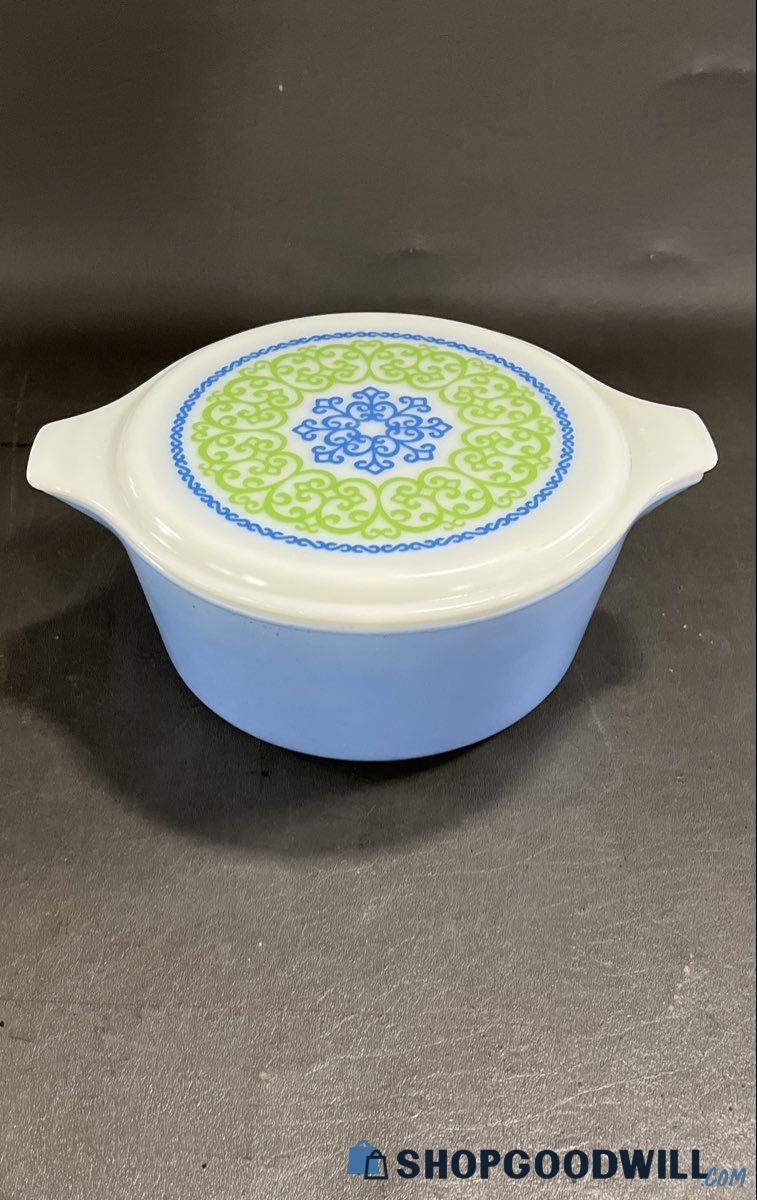
Ultimate Guide to Brittany Blue Pyrex
Vintage kitchenware holds a special place in the hearts of collectors, and few items evoke the nostalgia of mid-century design quite like retro glassware. Among the most sought-after pastel treasures from the era is Brittany Blue Pyrex. First introduced in the early 1960s, this subtle shade of blue has captivated home cooks, interior decorators, and antique enthusiasts for decades.

Whether you are looking to complete a vintage mixing bowl set, appraise a recent thrift store find, or simply learn more about the history of Corning Glass Works, understanding the unique characteristics of Brittany Blue will help you navigate the world of vintage Pyrex collecting with confidence.
The History and Origins of Brittany Blue Pyrex
During the 1950s and 1960s, Corning Glass Works revolutionized kitchen interiors by introducing colorful, durable opal ware. While primary colors dominated the early years of Pyrex nesting bowls, consumer tastes shifted toward softer, more sophisticated tones as the decade progressed. This shift in interior design paved the way for pastel releases.
Brittany Blue made its debut in the catalog around 1961. Unlike the vibrant turquoise or deep teal shades that came before it, Brittany Blue offered a cool, muted, and understated pastel aesthetic. It aligned perfectly with the transitional decor trends of the early 1960s, which favored clean lines paired with gentle, calming color palettes in the kitchen.
Identifying Brittany Blue Pyrex Pieces
For beginning collectors, telling different shades of blue apart can be challenging. Pyrex produced several blue hues over the decades, including turquoise, horizon blue, and blue constellation. To ensure you have an authentic Brittany Blue piece, look for specific physical and visual traits.
Color and Finish
Brittany Blue features a distinct pastel shade that leans toward a soft, chalky sky blue. It lacks the green undertones found in turquoise and is significantly lighter than horizon blue. Most items manufactured in this color feature a solid, opaque semi-matte or satin finish typical of early 1960s opal glassware.
Common Items Produced in Brittany Blue
Corning manufactured this colorway across a select range of kitchen items. You are most likely to encounter Brittany Blue in the following formats:

- Mixing Bowl Sets: Part of the classic Cinderella bowl sets (featuring handles and pour spouts) and standard round nesting bowls.
- Refrigerator Dishes: Rectangular storage dishes with clear glass lids, perfect for retro refrigerator organization.
- Casserole Dishes: Covered baking dishes designed to go straight from the oven to the dining table.
Backstamps and Mold Numbers
Authentic pieces will feature the standard raised Pyrex block-letter logo on the bottom, usually accompanied by a capacity measurement (e.g., 1 1/2 pt or 2 qt) and a mold number. Keep in mind that older vintage pieces manufactured before the mid-1960s relied heavily on embossed glass markings rather than stamped ink.
Value and Rarity in the Collector Market
How much is Brittany Blue Pyrex worth today? Like most vintage kitchenware, the value depends heavily on condition, completeness, and market demand.
Factors That Influence Price
- Condition of the Paint (DAP): Dishwasher damage, often called "dishwasher dishwasher fog" or paint fading, drastically reduces value. Pristine, glossy finishes command top dollar.
- Completeness of Sets: A full set of nesting bowls or a refrigerator dish set with original, undamaged glass lids is worth substantially more than individual, mismatched pieces.
- No Chips or Scratches: Chips on the rims of bowls or deep utensil scratches on the interior color coating will lower the resale value.
While rare promotional patterns often fetch hundreds of years, standard pastel solid-color pieces like Brittany Blue generally range from $20 for a single small bowl in good condition to over $150 for a complete, undamaged bowl or refrigerator set.
Care and Maintenance for Vintage Pyrex
If you own or plan to purchase Brittany Blue Pyrex, proper care is essential to preserve its vintage charm. The chemical composition of modern dishwashers and detergents is notoriously harsh on 1960s opal glass.
- Hand Wash Only: Always wash your Pyrex by hand using warm water and a mild dish soap. Avoid abrasive scouring pads that can scratch the delicate exterior glaze.
- Never Soak in Bleach: Harsh chemicals like bleach can permanently dull or discolor the vintage finish.
- 菓子 Avoid Thermal Shock: Do not place a frozen casserole dish directly into a preheated hot oven, as sudden temperature changes can cause vintage glass to crack.
Conclusion
Brittany Blue Pyrex is more than just functional kitchen equipment—it is a tangible piece of mid-century design history. Its soothing pastel hue and durable construction ensure it remains a beloved staple in modern retro kitchens. Whether you use your collection for daily baking or display it proudly on open shelving, properly identifying and caring for these pieces will keep their vintage beauty alive for generations to come.