Ultimate Guide to Buying and Using Lowe's Caulk
When tackling a home improvement project—whether you are sealing a drafty window, waterproofing a shower, or filling gaps in baseboards—choosing the right sealant is critical. Navigating the aisles of a home improvement retailer can feel overwhelming given the sheer number of options. If you are shopping for Lowe's caulk, understanding the differences between silicone, acrylic latex, and hybrid formulas will save you time, money, and future headaches.
Understanding Your Options: Types of Caulk at Lowe's
Before heading to your local store or browsing online, it helps to know what kind of chemical formulation your specific project requires. Not all sealants are created equal, and using the wrong one can lead to peeling, mold growth, or broken seals within months.
Silicone Caulk
Pure silicone is the gold standard for areas exposed to heavy moisture. It is completely waterproof, highly flexible, and resistant to extreme temperatures and UV rays.
- Best for: Bathtubs, showers, sinks, exterior windows, and doors.
- Key feature: It does not shrink and forms a watertight barrier that resists mold and mildew.
- Drawback: You cannot paint over pure silicone caulk. If your project requires a painted finish, look elsewhere.
Acrylic Latex and Painter's Caulk
Acrylic latex (often blended with silicone for added durability) is the go-to choice for indoor trim, molding, and drywall gaps. It is exceptionally user-friendly because it cleans up easily with water.
- Best for: Baseboards, crown molding, door frames, and minor wall cracks.
- Key feature: It is fully paintable once cured, blending seamlessly into your walls or trim.
- Drawback: It lacks the extreme elasticity of pure silicone and can crack over time in areas subject to heavy structural movement or constant water immersion.
Polyurethane and Advanced Hybrids
Polyurethane and hybrid polymer sealants offer the best of both worlds: extreme durability and paintability. Brands like Gorilla and OSI Quad dominate this category at major retailers.
- Best for: Siding, roofing, masonry, and exterior trim where both weather resistance and a painted finish are desired.
- Key feature: Incredible adhesion to difficult surfaces like concrete, brick, wood, and vinyl.
Top Brands Available at Lowe's
Lowe’s carries several industry-leading brands known for reliability and performance. Recognizing these names will help you pinpoint the exact product you need on the shelf.
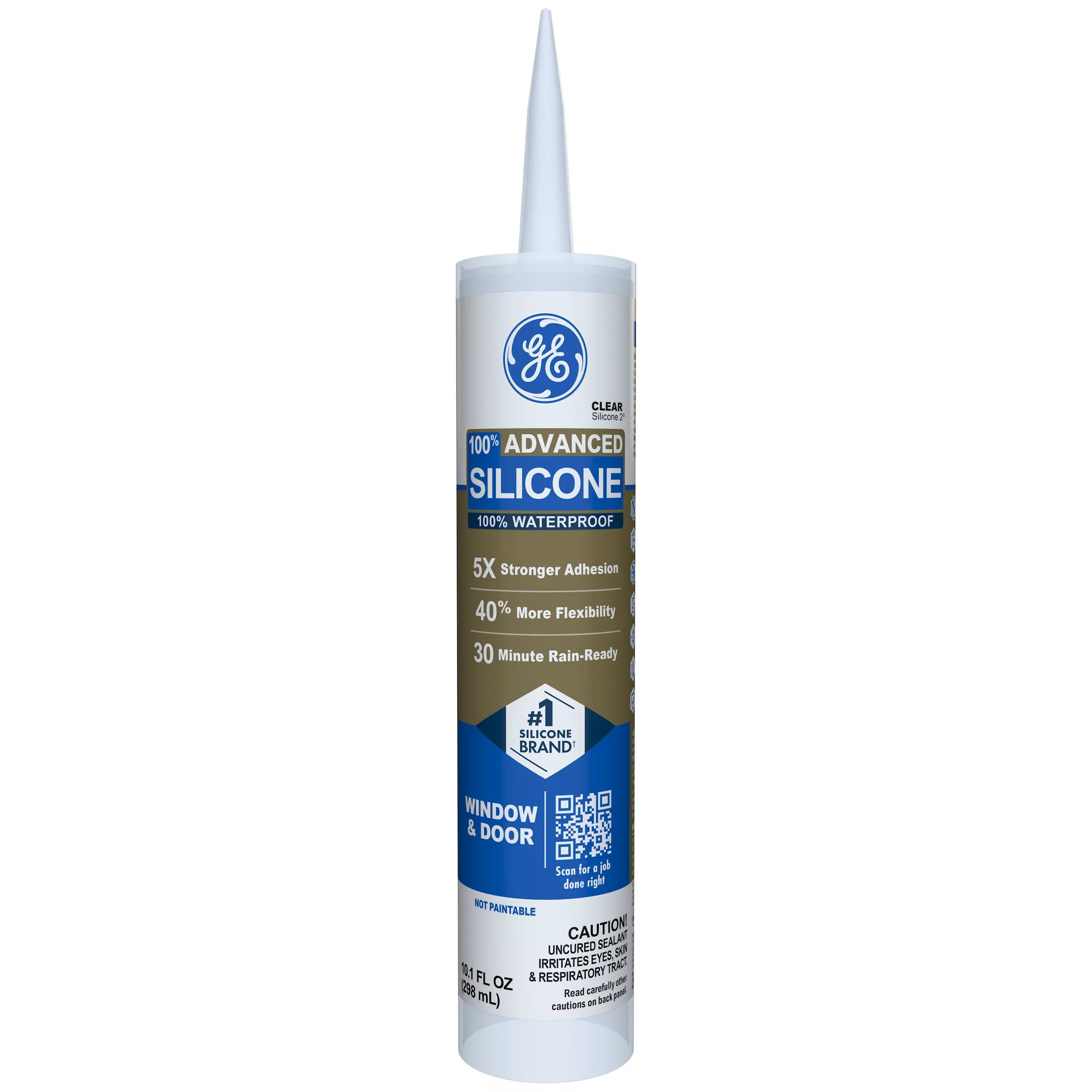
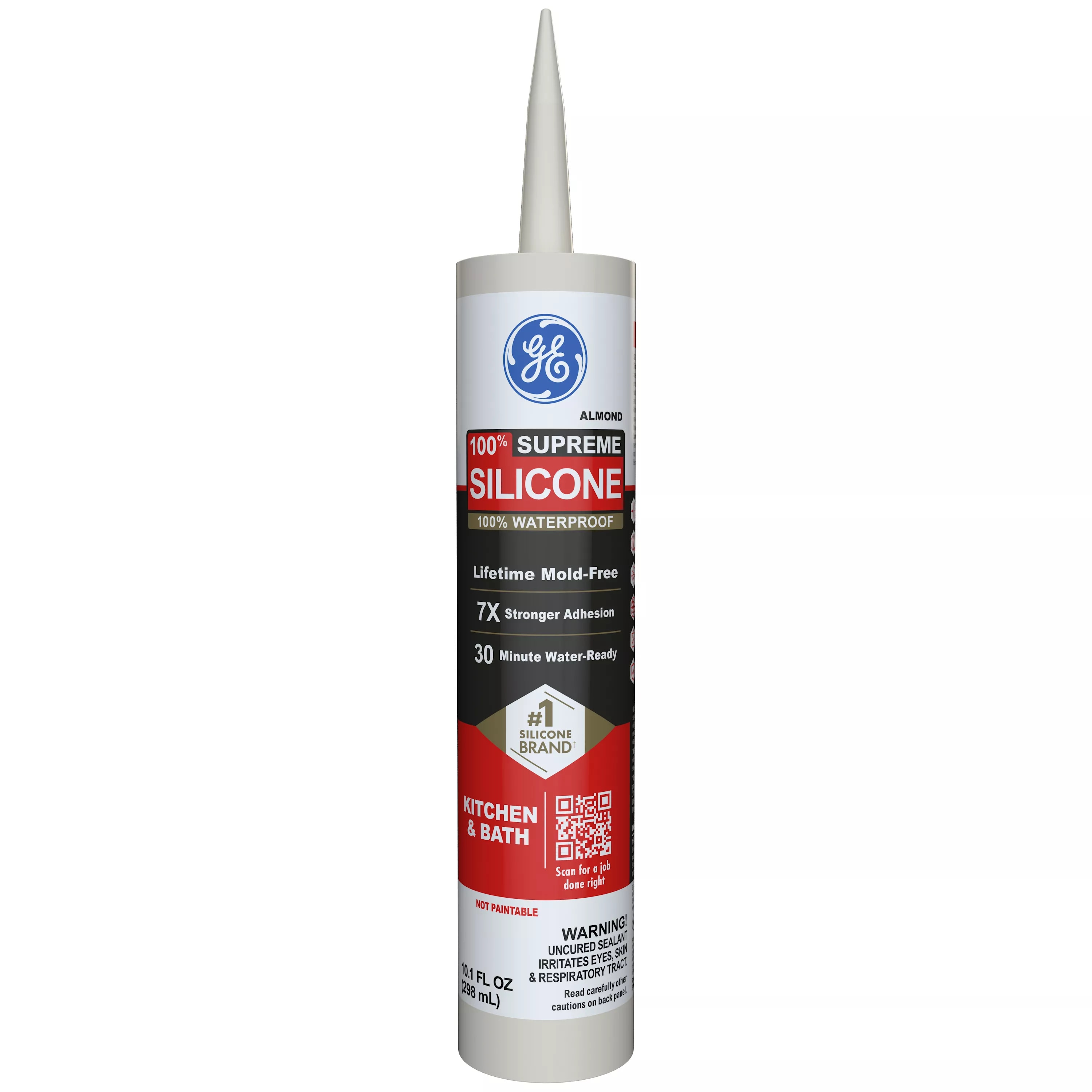
GE Supreme Silicone
GE is a household name for a reason. Their Supreme Silicone line is a favorite for bathrooms and kitchens. It offers lifetime mold-free protection and can withstand being exposed to water just 30 minutes after application. This makes it ideal for homeowners who cannot afford to keep their primary bathroom out of commission for a full 24 hours.
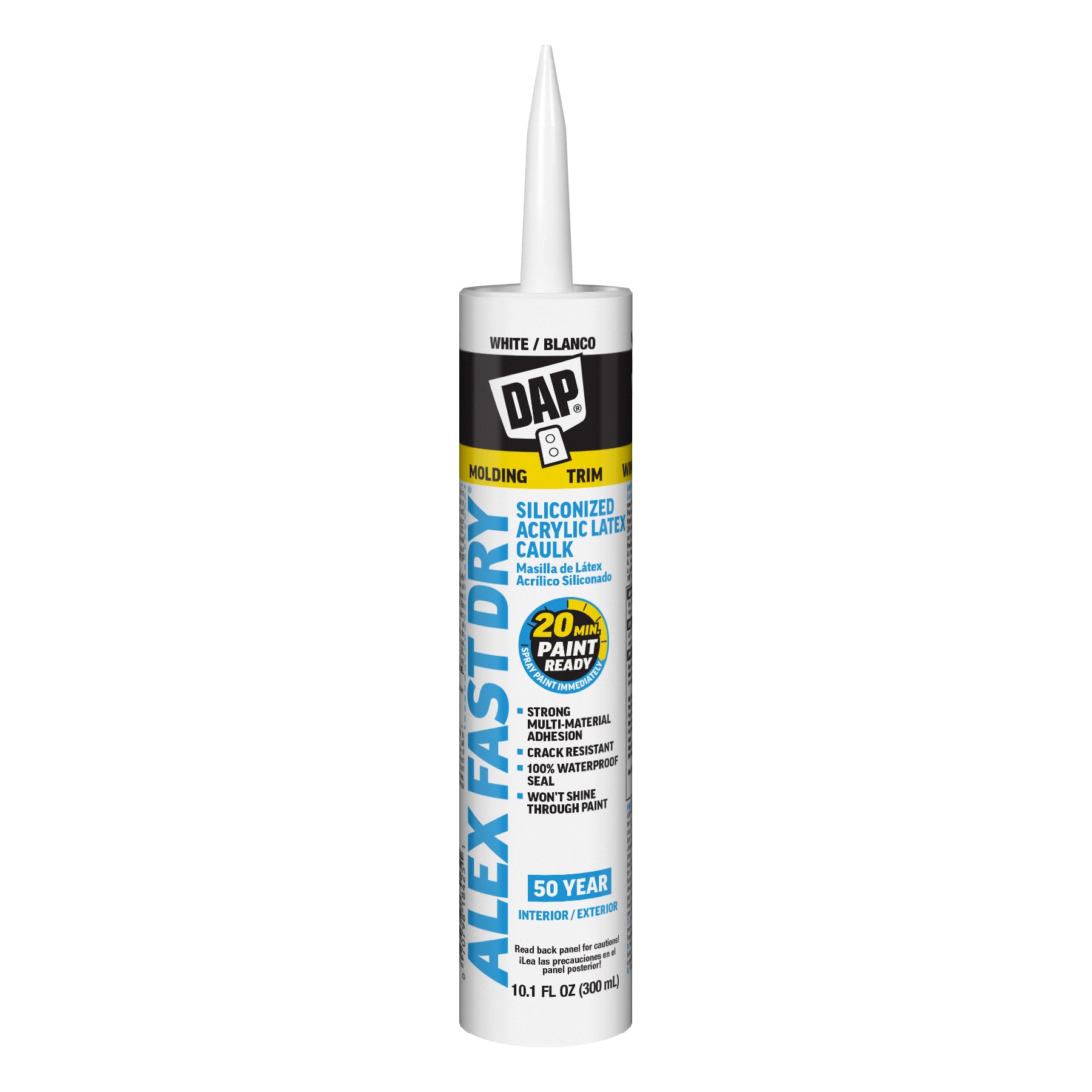
Dap Alex Plus
If you are painting trim or sealing gaps inside your living room or bedroom, Dap Alex Plus is likely what you need. It is an acrylic latex-plus-silicone blend that resists cracking and chalking. It goes on white (or in clear and various colors) and can be painted over with latex or oil-based paints shortly after application.
Gorilla Waterproof Silicone and Sealants

Known for industrial-strength bonding, Gorilla products deliver high performance for demanding applications. Their silicone sealants are 100% waterproof, shrink-proof, and weather-resistant, making them a top-tier pick for outdoor sealing tasks.
How to Choose the Right Caulk for Your Project
To ensure your project looks professional and lasts for years, match your application area to the correct product specifications using this quick checklist:
- Indoor vs. Outdoor: Exterior sealants must be labeled as weather-resistant and UV-stable. Interior formulas may degrade quickly under direct sunlight and outdoor temperature fluctuations.
- Wet vs. Dry Areas: Kitchens and bathrooms require mold-resistant silicone or kitchen-and-bath specific formulas. Living rooms and bedrooms do not need waterproof barriers.
- Paintability: Check the label carefully. If you plan to paint over the bead, ensure the package explicitly states "paintable."
Step-by-Step Guide to Applying Caulk Like a Pro
Buying the right tube is only half the battle. Proper preparation and application techniques determine whether your seal looks clean or messy.
1. Remove Old Sealant and Clean the Surface
Never apply new material directly over old, failing sealant. Use a utility knife or a specialized caulk removal tool to strip away the old layer. Clean the joint thoroughly with rubbing alcohol or soap and water to remove dust, grease, and soap scum. Let the area dry completely.
2. Cut the Nozzle Correctly
Cut the plastic tip of the tube at a 45-degree angle using a utility knife. A smaller cut creates a thin bead, while a larger cut creates a thick bead. As a general rule, cut the tip to match the width of the gap you are filling.
3. Load the Gun and Apply Even Pressure
Place the tube into a standard caulking gun. Hold the gun at a consistent 45-degree angle to the joint. Squeeze the trigger smoothly while moving the tip along the gap at a steady pace. Aim to push the bead into the gap rather than just laying it on top.
4. Smooth and Tool the Bead
For a professional finish, smooth the bead within a few minutes of application. You can use a dedicated smoothing tool, a gloved finger dipped in soapy water, or a damp rag. This forces the material into the crevice and creates a neat, concave seal that sheds water effectively.
Tips for Storing Unused Caulk
If you have leftover product in the tube, you do not have to throw it away. To prevent the nozzle from hardening, push a long screw or a dedicated cap into the cut tip. Alternatively, wrap the tip tightly in plastic wrap and secure it with a rubber band. Store the tube in a cool, dry place away from freezing temperatures.
By selecting the correct formulation for your specific task and following proper prep work, your caulking project will look great and protect your home for years to come.