Ultimate Guide to the Mini BMX Rocker Bike
What Is a Mini BMX Rocker Bike?
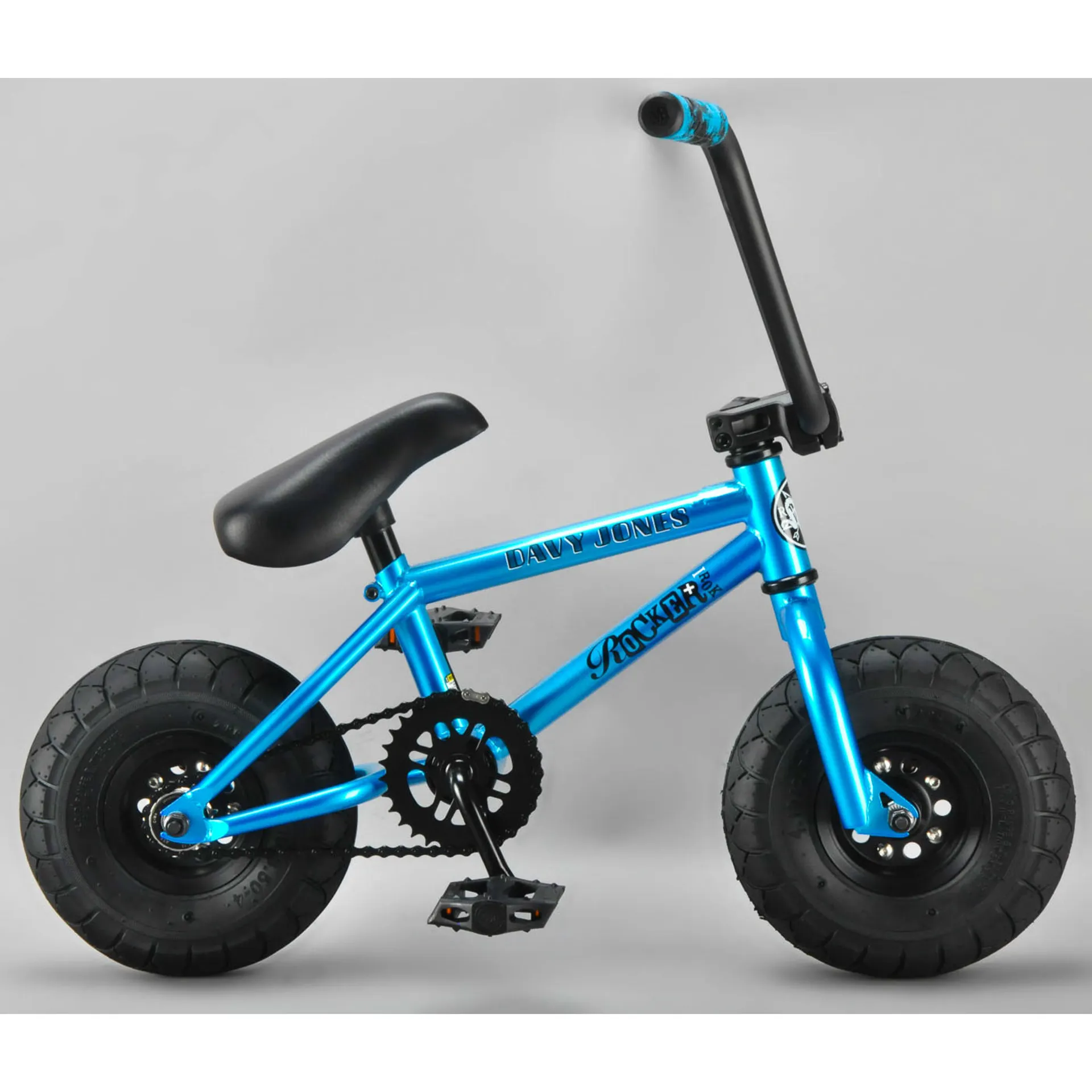
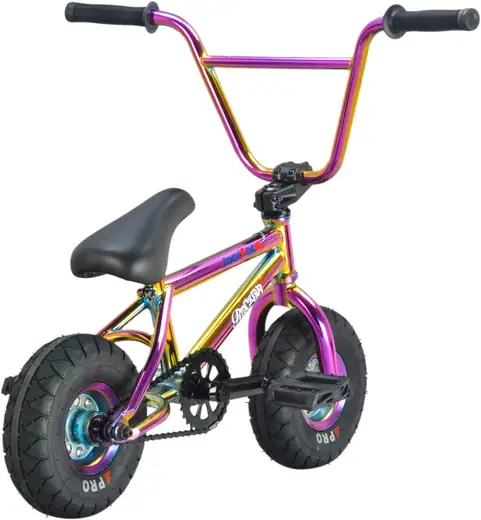
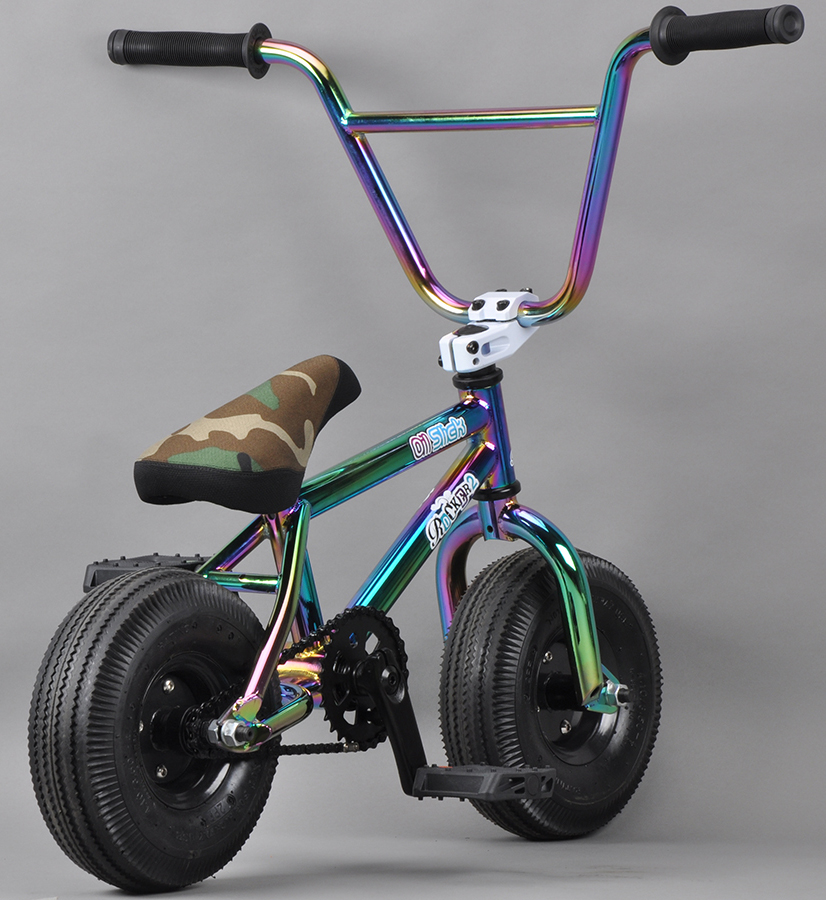
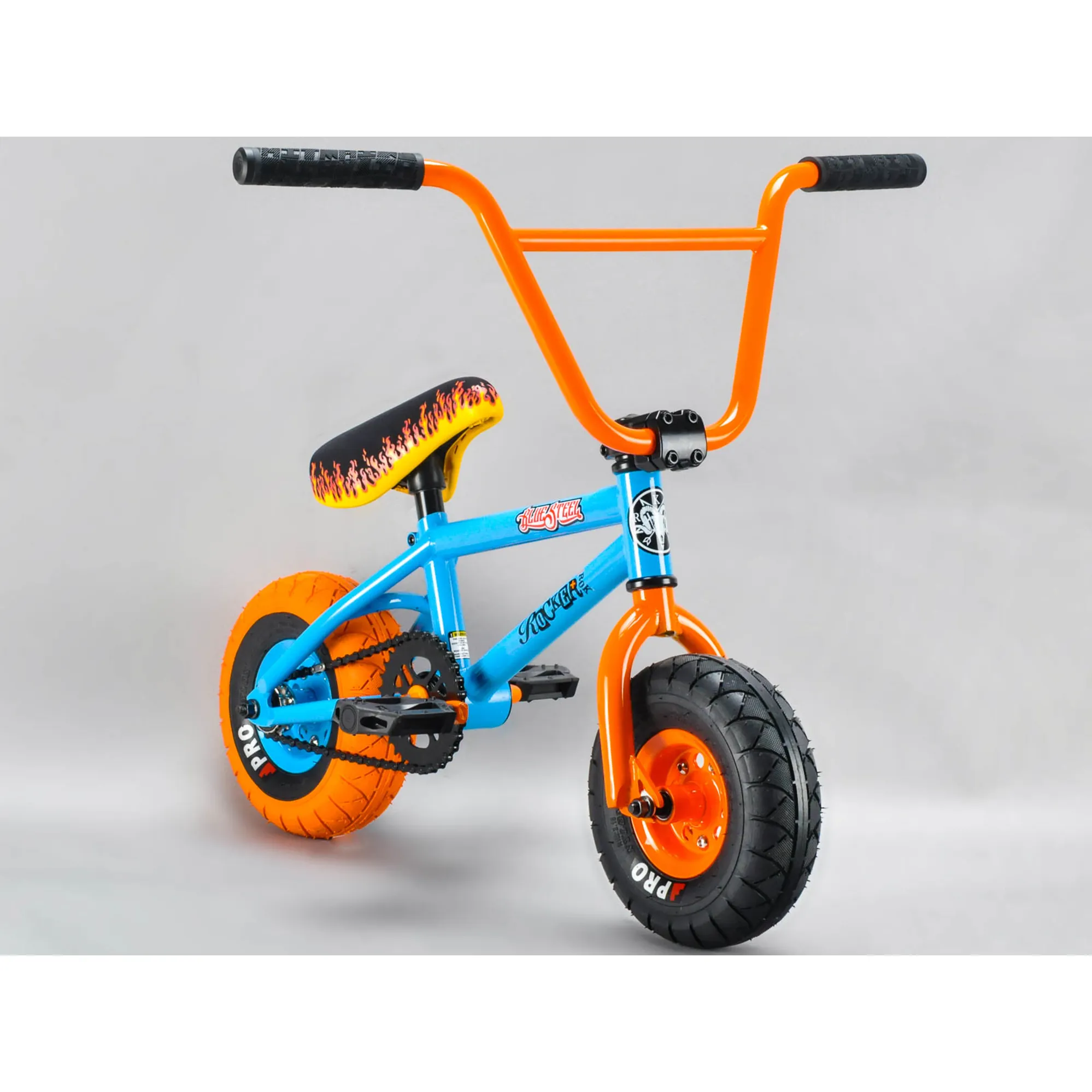
A mini BMX rocker bike is essentially a scaled-down version of a standard 20-inch BMX bike, built with heavy-duty materials to handle intense skatepark riding, street sessions, and dirt jumps. Despite their diminutive size—usually featuring 10-inch wheels and thick, oversized tires—these bikes are engineered to withstand the weight and abuse of teenagers and adults alike. Originating as a fun, highly maneuverable alternative to traditional BMX bikes, rocker bikes have carved out a massive niche in extreme action sports.
Unlike children's toy bikes, quality mini BMX bikes use high-tensile steel frames, top-load stems, threadless forks, and pneumatic rubber tires running at high pressures. This robust construction allows riders to drop in on half-pipes, hit box jumps, and pull off complex technical tricks that would normally require a full-sized rig.
Anatomy and Key Features
Understanding what goes into building a reliable mini BMX rocker bike helps you choose the right model and maintain it properly. While brands vary in their specific engineering, most performance-oriented rocker bikes share several core components:
- Frame and Fork: Usually constructed from high-tensile steel or chromoly for maximum impact resistance during heavy landings.
- Wheels and Tires: Typically 10-inch steel or alloy rims paired with chunky, multi-ply rubber tires (often rated up to 30 or 60 PSI) to absorb shock and provide traction.
- Handlebars: Oversized bars—often 10 inches or taller relative to the frame size—giving the rider leverage for bunny hops and barspins.
- Drivetrain: A fixed gear setup with a standard chain, front sprocket, and a micro-driver rear hub for instant engagement.
- Saddle: Padded top-load pivotal or combo seats designed to stay out of the way during tricks while offering enough comfort for cruising.
Are Mini BMX Bikes Hard to Ride?
If you have never ridden a mini BMX rocker bike before, the initial experience can feel a bit jarring. Because the wheelbase is significantly shorter and the steering is much quicker than a standard bike, it takes time to find your balance.
Weight distribution is the single most important factor when learning to ride a rocker bike. Lean too far forward, and you risk going over the handlebars; lean too far back, and the bike will loop out. However, most riders adjust within 30 to 60 minutes of practice. Once you adapt to the sensitive steering, you will find that the smaller geometry makes throwing tricks, spinning, and manuals surprisingly intuitive.
Best Tricks to Learn on a Rocker Bike

The compact size of a mini BMX makes it an incredible tool for learning freestyle tricks. Because the bike is closer to the ground, the psychological barrier for trying new stunts is often lower than on a full-sized BMX.
- Bunny Hops: The foundation of all street and park riding. Practice springing up and leveling out the bike by pushing the handlebars forward mid-air.
- Manuals: Finding the balance point on a 10-inch wheel requires subtle knee and hip movements. Keep your weight back and your finger covering the rear brake just in case you loop out.
- 180s and 360s: The lightweight frame allows you to whip the bike around much faster than a standard BMX, making flatland spins an achievable goal for beginners.
- Drop-Ins: Take your rocker bike to a local skatepark. Drop-ins feel steep at first, but keeping your knees bent and your weight over the front wheel ensures a smooth transition.
Maintenance Tips to Keep Your Bike Rolling
Mini BMX bikes take a tremendous amount of abuse. To keep your rocker bike safe and performing at its best, follow a regular maintenance routine:
- Check Axle Nuts Regularly: The intense forces generated during tricks and landings can loosen wheel nuts. Always tighten your axle bolts before heading out to the park.
- Inspect the Chain: Keep the chain properly tensioned and lubricated. A loose chain can slip off mid-jump, leading to sudden stops.
- Monitor Tire Pressure: High-pressure tires prevent pinch flats and make the bike feel much faster and more responsive on concrete ramps.
- Inspect the Bars and Stem: Ensure the stem bolts are torqued down securely to prevent the handlebars from slipping forward or backward upon impact.
Choosing the Right Model: What to Look For
Not all mini BMX bikes are created equal. When shopping for a rocker bike, pay close attention to the specifications to ensure you get a durable machine rather than a cheap toy that will break under adult weight.
Look for sealed bearings in the bottom bracket and wheel hubs. Sealed bearings last significantly longer and require less maintenance than loose-ball alternatives, especially if you ride in dusty skateparks or damp conditions. Additionally, check the weight limit specified by the manufacturer. Premium rocker bikes are rated for adult riders up to 200 pounds or more, making them versatile for the whole family.
Conclusion
Whether you want to hit the skatepark, cruise around the neighborhood, or learn advanced freestyle tricks without buying a full-sized setup, a mini BMX rocker bike delivers unmatched fun. By choosing a quality model, wearing appropriate safety gear, and committing a little time to master the unique balance required, you will unlock an entirely new dimension of cycling entertainment.