Ultimate Guide to Visiting a 親子 館 (Family Play Center)
If you are raising young children in a bustling urban environment, indoor play spaces are an absolute lifesaver. Often referred to locally as a 親子 館 (literally translated as "parent-child house"), these indoor family play centers provide a safe, climate-controlled environment where kids can burn off energy and parents can connect. Whether you are dealing with scorching summer heat, pouring rain, or just need a change of scenery from the living room, a visit to one of these facilities offers hours of engaging entertainment.

However, if you have never stepped foot inside a modern play center, the rules, ticketing systems, and sheer volume of toys can feel overwhelming. This comprehensive guide will walk you through everything you need to know to make your next visit smooth, safe, and wildly fun for your little ones.
What Is a 親子 館 and Why Visit One?
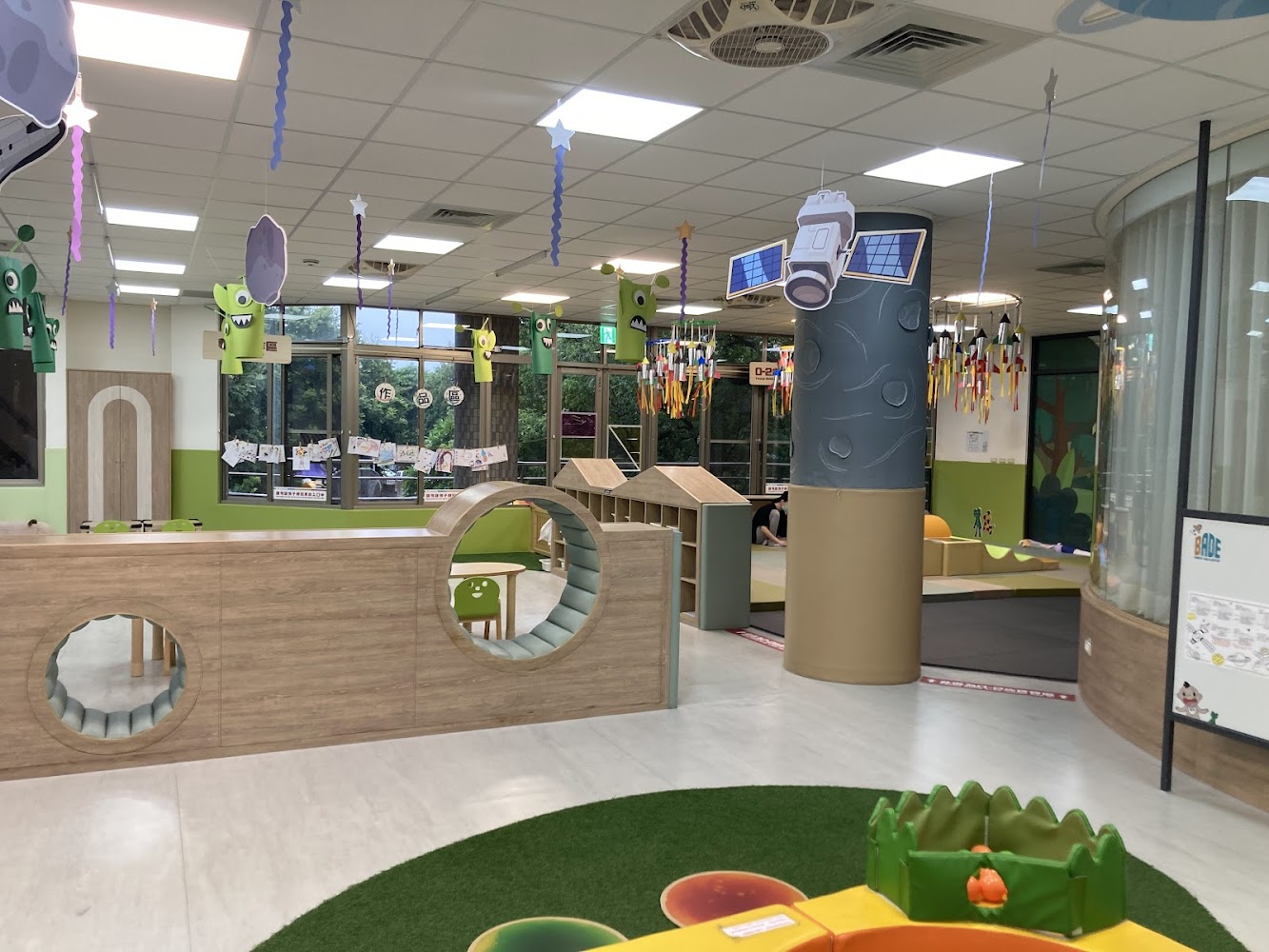
A 親子 館 is a dedicated indoor facility designed specifically for families with infants, toddlers, and young children. Unlike traditional outdoor playgrounds, these spaces are meticulously curated by early childhood development experts. They usually feature soft-play structures, pretend-play villages, sensory zones, and age-appropriate climbing walls.
The benefits of visiting these centers extend far beyond simple physical exercise. They offer:
- Socialization: Children learn crucial sharing, turn-taking, and communication skills by interacting with peers.
- Cognitive Development: Interactive exhibits, puzzle stations, and imaginative play areas stimulate curiosity and problem-solving.
- Safety: Padded floors, rounded corners, and secure entry/exit gates mean parents can relax slightly while keeping a watchful eye.
- Community for Parents: These spaces provide a welcoming environment to meet other local families and exchange parenting tips.
Different Zones Inside a Play Center
Most well-designed family play spaces are divided into distinct zones tailored to specific age groups and developmental milestones. Understanding these zones before you go helps you guide your child to areas that match their interests and safety levels.
Infant and Toddler Crawl Spaces
Designed for babies aged 0 to 24 months, these low-impact zones feature soft foam mats, gentle ramps, low mirrors, and oversized tactile blocks. Older, faster-running kids are typically barred from this area, giving crawling babies a safe haven to practice rolling, pulling up to stand, and exploring without getting stepped on.
Video: 士林親子館初體驗!這些遊戲區超讚,小孩超愛!【小冬瓜日常】
Role-Play and Pretend Towns
One of the most popular sections in any facility is the miniature town. Kids adore stepping into scaled-down versions of adult professions. Common setups include:
- Mini supermarkets complete with shopping carts, plastic produce, and cash registers.
- Doctor's offices with toy stethoscopes, medical kits, and plush animal patients.
- Kitchen and restaurant setups where children can "cook" and serve meals.
- Costume dress-up corners featuring firefighter gear, princess dresses, and construction vests.
Active Physical Play Zones
For older preschoolers and kindergarteners, the active zones feature multi-level climbing frames, ball pits, foam block volcanoes, and slides. These areas are engineered to build gross motor skills, balance, and spatial awareness.
Essential Tips for a Smooth Visit
To ensure you and your child have the best possible experience, a little preparation goes a long way. Keep these practical tips in mind:
- Check the Reservation Policy: Many popular centers—especially municipal or government-run facilities—require advance online booking due to strict capacity limits. Private centers may allow walk-ins, but weekends fill up fast.
- Pack the Right Socks: Almost all indoor play spaces have a strict "socks-only" policy for both children and adults. Bring comfortable, non-slip socks. Some venues even sell them at the front desk if you forget yours, but prices are usually higher.
- Dress in Layers: While it might be freezing outside or sweltering in the summer, indoor air conditioning can fluctuate. Dress your child in breathable layers that are easy to shed when they start running around and sweating.
- Bring Snacks and Water (If Allowed): Policies vary. Some centers have dedicated cafeteria areas where eating is permitted, while others ban food completely from the play zones to maintain hygiene. Always pack a water bottle, as active play makes kids very thirsty.
- Know the Hygiene Protocols: Reputable centers have scheduled sanitization breaks (often midday or between sessions) where staff clean toys and equipment. Check their cleaning schedule so you can plan your arrival time accordingly.
Making the Most of Your Time
When you arrive, take five minutes to walk the perimeter with your child. Point out the rules, locate the restrooms and nursing rooms, and let them get accustomed to the sensory input of the room. If your child tends to get overstimulated easily, start in a quieter zone like the reading nook or block-building area before transitioning to the loud ball pit.
Ultimately, visiting a 親子 館 is a wonderful way to foster independence in your child while carving out quality bonding time. By knowing what to expect, packing smart, and respecting the facility's guidelines, you are guaranteed a memorable, joyful day out.


