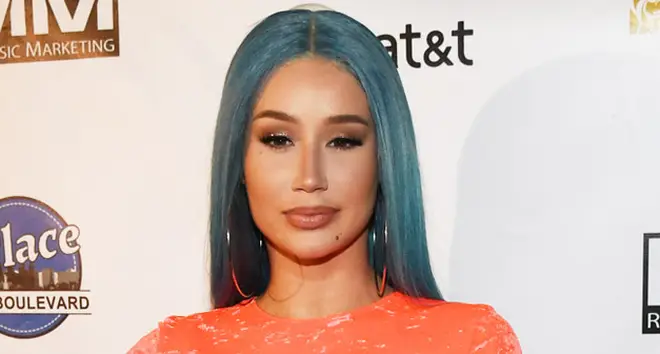
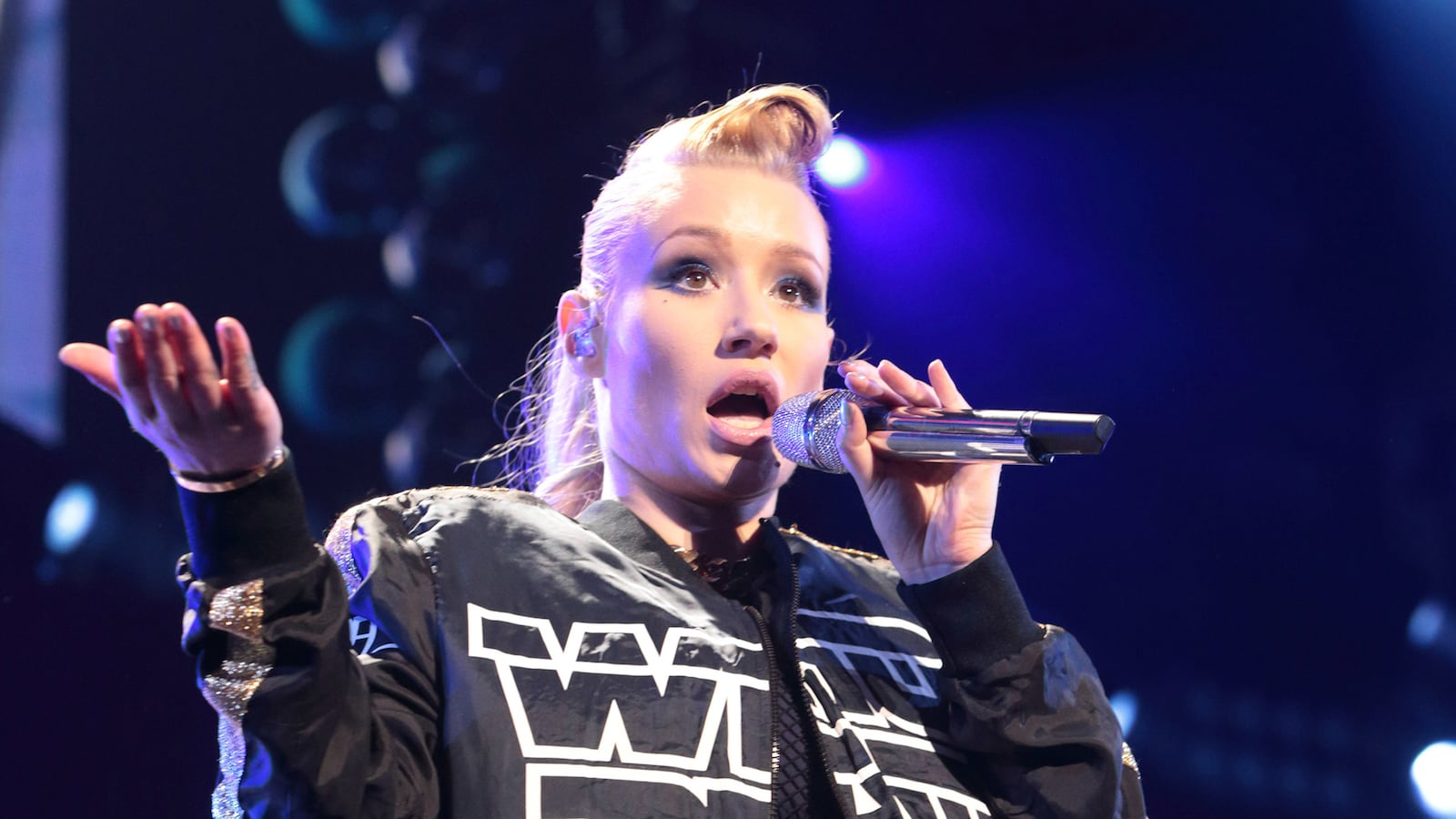
Uncover Iggy Azalea's Surprising Cultural Roots
When people think of Iggy Azalea, they usually picture the glamorous, chart-topping pop-rap star who burst onto the American music scene in the early 2010s with hits like "Fancy." Born Amethyst Amelia Kelly, her public persona has always been deeply intertwined with Southern American hip-hop culture, specific fashion trends, and a distinct persona that often sparked intense cultural debates. However, beneath the Hollywood gloss and rap cadence lies a very different story. To truly understand her trajectory, one must uncover Iggy Azalea's surprising cultural roots, tracing her path from a quiet Australian countryside to the global stage.

From Mullumbimby to Miami: The Early Years
Iggy Azalea was not born into privilege or an urban musical hub. Instead, her story begins in Mullumbimby, a small town in New South Wales, Australia, known more for its alternative, hippie lifestyle and subtropical rainforests than for gritty rap battles. Growing up in a house built by her father out of mud brick, her early environment was rural, artistic, and entirely disconnected from the American hip-hop subculture she would later adopt.
Her father, Mick Kelly, was a painter and comic book artist, which instilled in her a strong visual and creative sensibility early on. Yet, living in such a remote and quiet pocket of Australia left Azalea feeling isolated and yearning for a bigger world. Long before she stepped foot in the United States, she found her escape in American pop culture through the internet and smuggled media.
Discovering Hip-Hop Down Under
Distance was no match for the internet in the early 2000s. As a teenager, Azalea became fascinated with American hip-hop, specifically Tupac Shakur and the distinct sounds of Southern rap. This obsession became an outlet for her ambitions. While her peers in Mullumbimby were enjoying local Australian pastimes, Azalea was teaching herself the nuances of American rap flows, styling, and slang from thousands of miles away.
This dynamic created a unique cultural friction:
- Geographic Isolation: Living in rural Australia meant she had zero physical access to hip-hop culture, dance studios, or recording spaces.
- Digital Immersion: She relied entirely on online forums, music videos, and downloaded MP3s to decode American urban culture.
- The Outsider Syndrome: Feeling entirely out of place in her hometown fueled her fierce determination to leave Australia permanently.
The Move to the United States
Video: Is Iggy Azalea A Good Addition To Hip-Hop Culture? | LoveHate | All Def Music

At the age of 16, Azalea made a bold and unconventional move. She traveled to the United States independently, initially staying in Miami, Florida, before moving to Houston, Texas, and later Atlanta, Georgia. Dropping out of high school and moving across the world without a safety net highlights a resilience that matches her rural Australian upbringing, where resourcefulness was a necessity.
Living in the American South exposed her directly to the regional hip-hop scenes that she had only studied from afar. It was during this period that she adopted the moniker "Iggy" (named after her childhood dog) and "Azalea" (after the street she grew up on in Mullumbimby). Ironically, even as she submerged herself in American culture, her chosen stage name served as a permanent homage to her Australian roots.
Navigating Cultural Identity and Criticism
As Azalea’s music career skyrocketed with the release of her debut album The New Classic in 2014, her background became a frequent topic of public scrutiny. Critics and fans alike questioned the authenticity of a white Australian artist rapping with a distinct Southern American accent. This tension brought questions of cultural appropriation and authenticity to the forefront of music journalism.
To understand this phenomenon, musicologists often point to the concept of linguistic accommodation. Artists who immerse themselves deeply in specific musical subcultures—especially those consumed entirely digitally during formative teenage years—frequently adopt the cadence and dialect of that community. For Azalea, her cultural roots are a hybrid reality: formed by the quiet tranquility of rural Australia, yet heavily influenced by the vibrant, digitized consumption of American urban music.
Redefining Her Legacy on Her Own Terms
In recent years, Azalea has stepped back from the traditional major-label music machine, transitioning into independent ventures, digital platforms, and entrepreneurship. This shift has allowed her to distance herself from the intense public debates that defined her early twenties. Looking back, her journey remains one of the most unusual origin stories in modern pop culture.
Ultimately, to uncover Iggy Azalea's surprising cultural roots is to recognize the power of modern globalization. She represents a generation of artists whose identities are not strictly bound by geography, but are instead shaped by the digital spaces that connect distant worlds. From a mud-brick house in Mullumbimby to the apex of the Billboard charts, her story is a testament to reinvention against the odds.