Uncover Lee Glue's Secret Power: The Real Truth
When craftsmen and furniture restorers gather to debate workshop essentials, the conversation almost always shifts toward adhesives. If you want to uncover Lee Glue’s secret power: truth you’ve never seen before is that traditional high-tack protein and liquid fish formulations often outperform modern synthetic adhesives in critical mechanical applications. While most builders automatically reach for standard yellow PVA (polyvinyl acetate) or fast-acting cyanoacrylate, seasoned cabinetmakers and luthiers have quietly relied on this specialized adhesive to produce heirloom-grade joints that last for centuries.
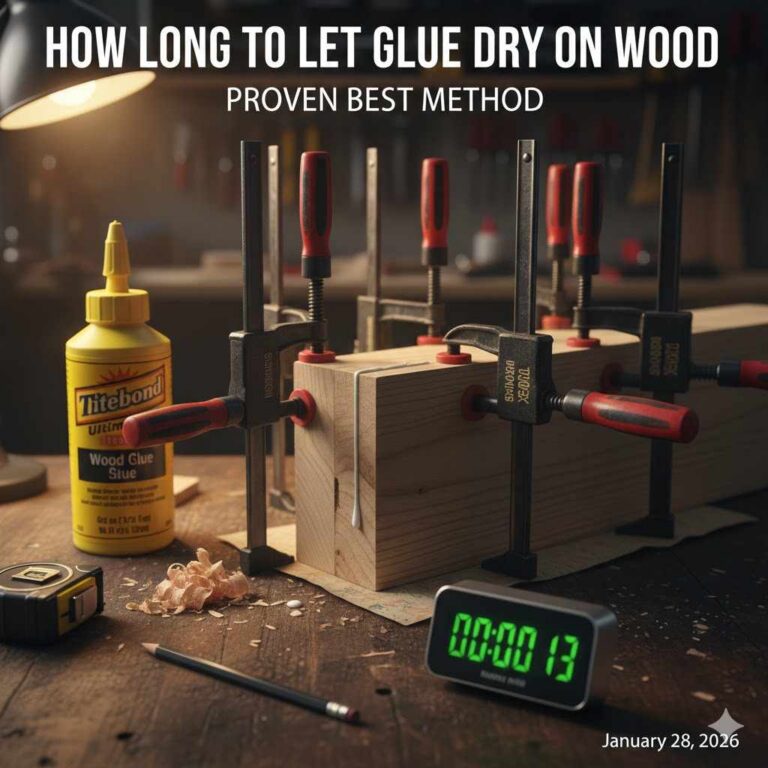
Understanding why this classic adhesive commands such devotion requires looking past slick marketing claims and examining physical bonding mechanics. From grain penetration to acoustic resonance, the chemical makeup of Lee glue offers unique engineering characteristics that synthetic alternatives simply cannot duplicate.
What Exactly Is Lee Glue? Demystifying the Formula
Colloquially known in fine woodworking circles as Lee glue—frequently associated with specialized liquid fish and hide formulations curated by heritage suppliers like Lee Valley—this adhesive is derived from purified fish gelatin and collagen proteins. Unlike traditional granular hide glue, which requires heating in an electric pot and maintaining a strict temperature window, modern liquid fish glue remains fully liquid and ready to use at room temperature.
It achieves this stability through cold processing without destroying the long-chain protein molecules that provide high tensile strength. The result is an organic, non-toxic, odorless adhesive that cures by releasing moisture into the ambient air and the surrounding wood grain.
Uncover Lee Glue’s Secret Power: Truth You’ve Never Seen Before!
Standard polyvinyl acetates dominate hardware store shelves because they are cheap, shelf-stable, and set quickly. However, fast convenience comes with significant compromises in long-term structural integrity. Here is the mechanical reality behind what makes this adhesive uniquely potent.
1. The 30-Minute Open Time Lifesaver
One of the most nerve-wracking phases of fine woodworking is the complex glue-up. Standard PVA glues begin skinning over within 5 to 10 minutes. If you are assembling a six-legged dining table, a multi-drawer desk, or an intricate mortise-and-tenon chair frame, a 10-minute window creates frantic urgency. A misaligned clamp or stubborn joint can ruin an entire build.
Lee glue changes this dynamic completely by providing a generous 30 to 45-minute open assembly time. This extended working window lets you position clamps, measure diagonal squareness, make micro-adjustments, and systematically wipe away excess squeeze-out without rushing.
2. Glass-Hard Matrix and Zero Plastic Creep
Modern PVA and polyurethane glues dry into a slightly pliable, elastomeric plastic. Over years of seasonal humidity shifts and continuous load (such as the tension on an acoustic guitar bridge or a bent-laminate rocker), synthetic glues suffer from "glue creep." The joint imperceptibly stretches and slips out of alignment.
In contrast, Lee fish glue dries to a glass-hard, crystalline structure. Its tensile shear strength exceeds 3,000 PSI, frequently exceeding the cross-grain shear strength of hardwoods like maple, cherry, and walnut. Because it cures rigid, it exhibits zero plastic creep, locking joints in place permanently under sustained mechanical stress.
3. Infinite Reversibility for Heirloom Repairs

Nothing frustrates a conservator more than encountering an antique repaired with modern epoxy or yellow PVA. PVA acts as a barrier: once cured, fresh PVA will not adhere to old PVA. Removing it requires scraping away original wood fibers, degrading the historical artifact.
Lee glue is completely reversible. By introducing controlled heat and steam, the protein bonds temporarily liquefy, allowing joints to disassemble cleanly without tearing wood fibers. Furthermore, new Lee glue forms a molecular bond directly with old dried Lee glue, making future maintenance seamless.
4. Complete Finish and Stain Compatibility
Every woodworker has suffered the dreaded "PVA blotch." A drop of squeeze-out goes unnoticed, penetrates the pores, and seals the wood. When stain or oil finish is applied, an unsightly pale mark appears that requires aggressive sanding to remove.
Because Lee glue is an organic protein derived from animal collagen, it takes dyes, stains, shellacs, and oil-based varnishes far more naturally than petroleum-based synthetics. Spills wipe clean with simple cold water, leaving behind zero finish-repelling plastic residue.
Adhesive Performance Comparison
To help you determine when Lee glue is the right choice for your project, compare its working properties against standard workshop adhesives:
- Lee Liquid Fish Glue: 30–45 minute open time; glass-hard rigidity; zero creep; water/heat reversible; non-toxic; water cleanup.
- Standard PVA (Yellow Wood Glue): 5–10 minute open time; flexible/thermoplastic cure; moderate creep under stress; irreversible; stains wood grain.
- Polyurethane Glue: 15–20 minute open time; foaming gap-fill (lacks structural strength); difficult solvent cleanup; requires moisture to cure.
- Two-Part Epoxy: Variable open time; non-reversible; messier preparation; excellent gap filling but high cost and potential toxic fumes.
How to Apply Lee Glue for Maximum Joint Strength
Achieving structural perfection with protein-based adhesives requires adhering to proper workshop practices:
- Ensure Tight-Fitting Joinery: Like all premium wood glues, Lee glue thrives on close contact. It is not an epoxy filler; joints should fit cleanly with light hand pressure.
- Apply to Both Surfaces: Spread a thin, uniform film across both mating surfaces using a stiff brush or silicone spreader. This ensures deep fiber penetration.
- Clamp Firmly: Apply even clamp pressure until a small bead of glue squeezes out around the seam. Avoid over-clamping, which can starve the joint.
- Wipe Squeeze-Out with Damp Rag: Clean excess glue immediately with a damp (not soaking) microfiber towel.
- Allow Full 24-Hour Cure: Because fish glue cures by evaporation rather than chemical cross-linking, allow a full 24 hours in clamps before subjecting the assembly to stress.
Critical Limitations to Keep in Mind
Despite its impressive capabilities, Lee glue is not a universal solution for every task. Keep these boundaries in mind to avoid structural failures:
- Indoor Use Only: Because it is reversible with moisture, it should never be used for outdoor furniture, boats, cutting boards, or outdoor decks exposed to rain.
- Cold Sensitivity: Applying the glue in ambient temperatures below 60°F (15°C) can cause improper film formation and sluggish curing.
- Extended Clamp Times: If you need a structural hold in 20 minutes to keep a fast-paced production run moving, PVA or CA glue remains the practical choice.
Final Thoughts
Uncovering the true performance of Lee glue explains why it remains a prized secret in restoration workshops, instrument studios, and boutique furniture shops. By trading the synthetic convenience of rapid cure times for immense tensile strength, repairability, and acoustic clarity, this time-tested adhesive proves that modern chemistry does not always beat traditional craftsmanship.